Disclaimer: All event analyses in this article are generated by AI and do not represent my personal views.
Recently, I’ve been using Deep Research frequently, and I can’t help but marvel at how incredibly useful it is.
Especially the Deep Research from Gemini and OpenAI, their research results are accurate and up-to-date, often generating detailed reports of tens of thousands of words, which are a pleasure to read.
I’ve developed a new one-click method for digesting hot topics, which I’ll share with you today.
Let’s start with a demo:

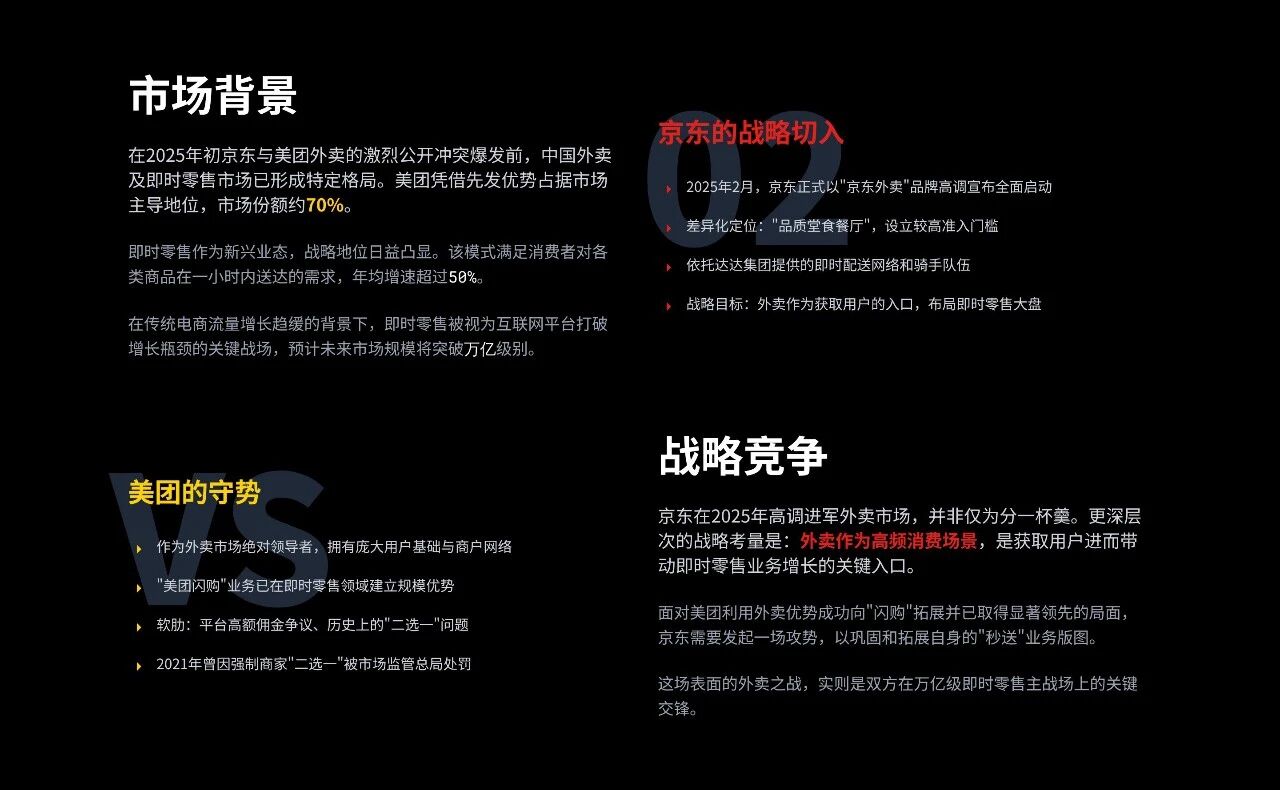
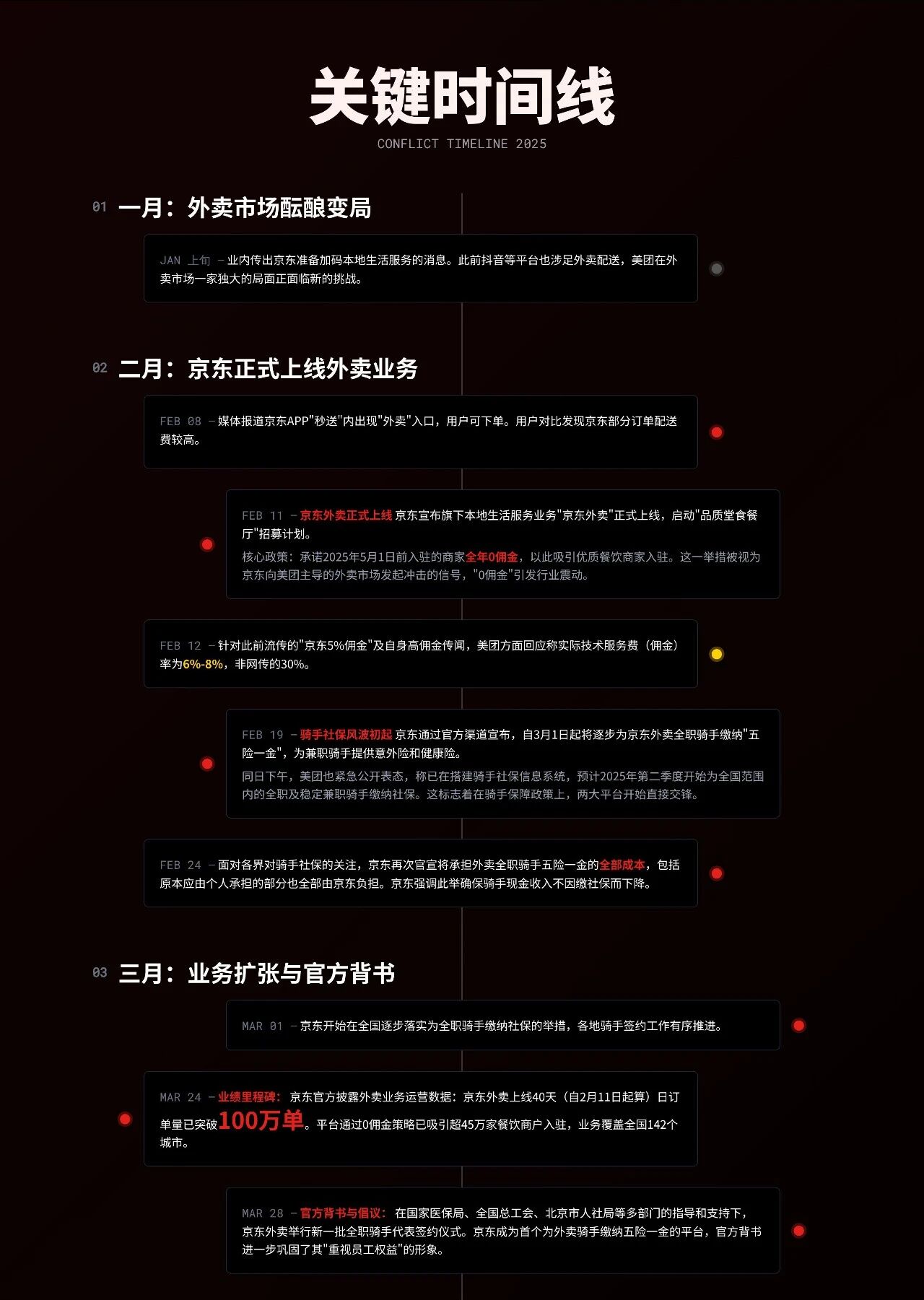
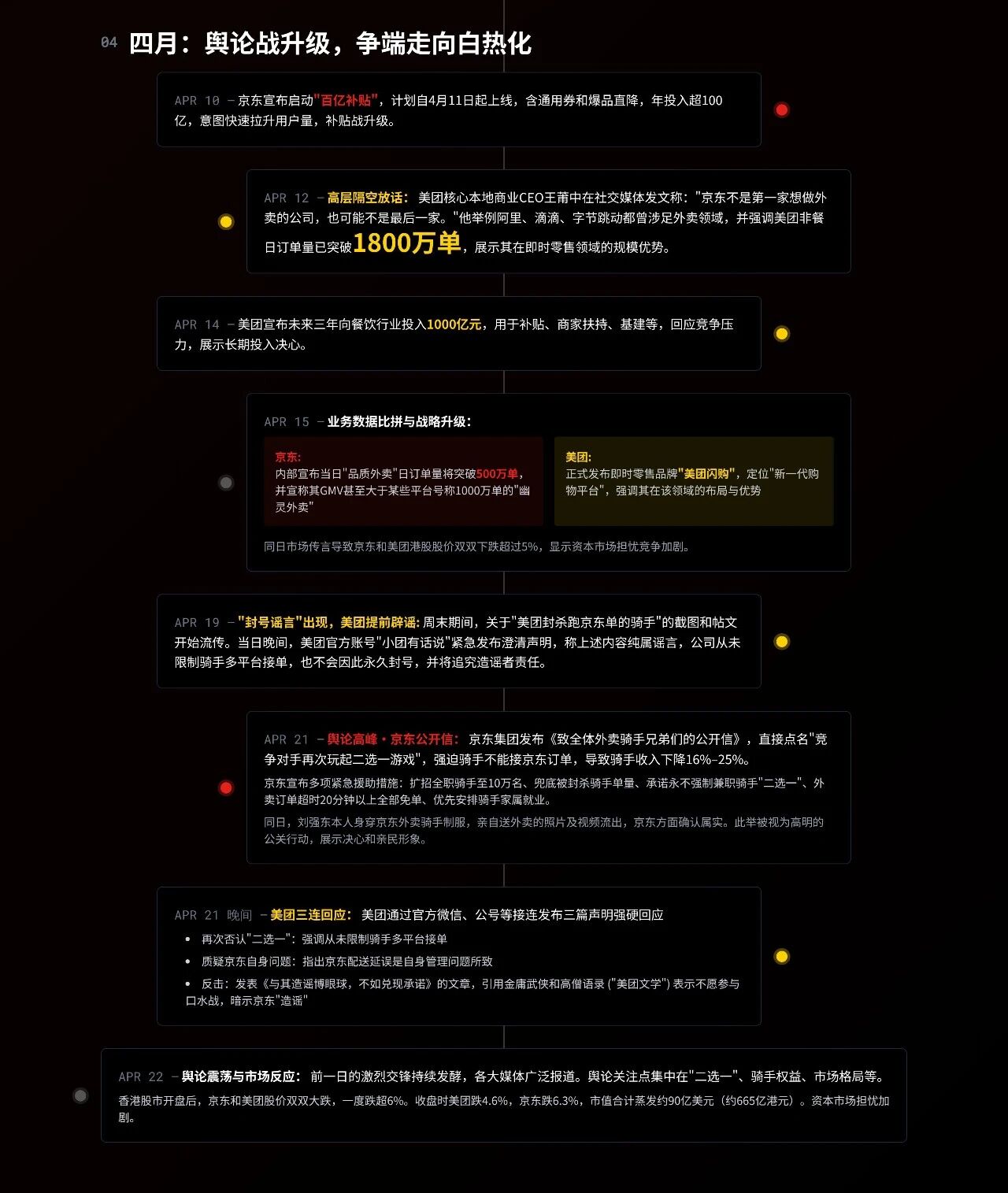
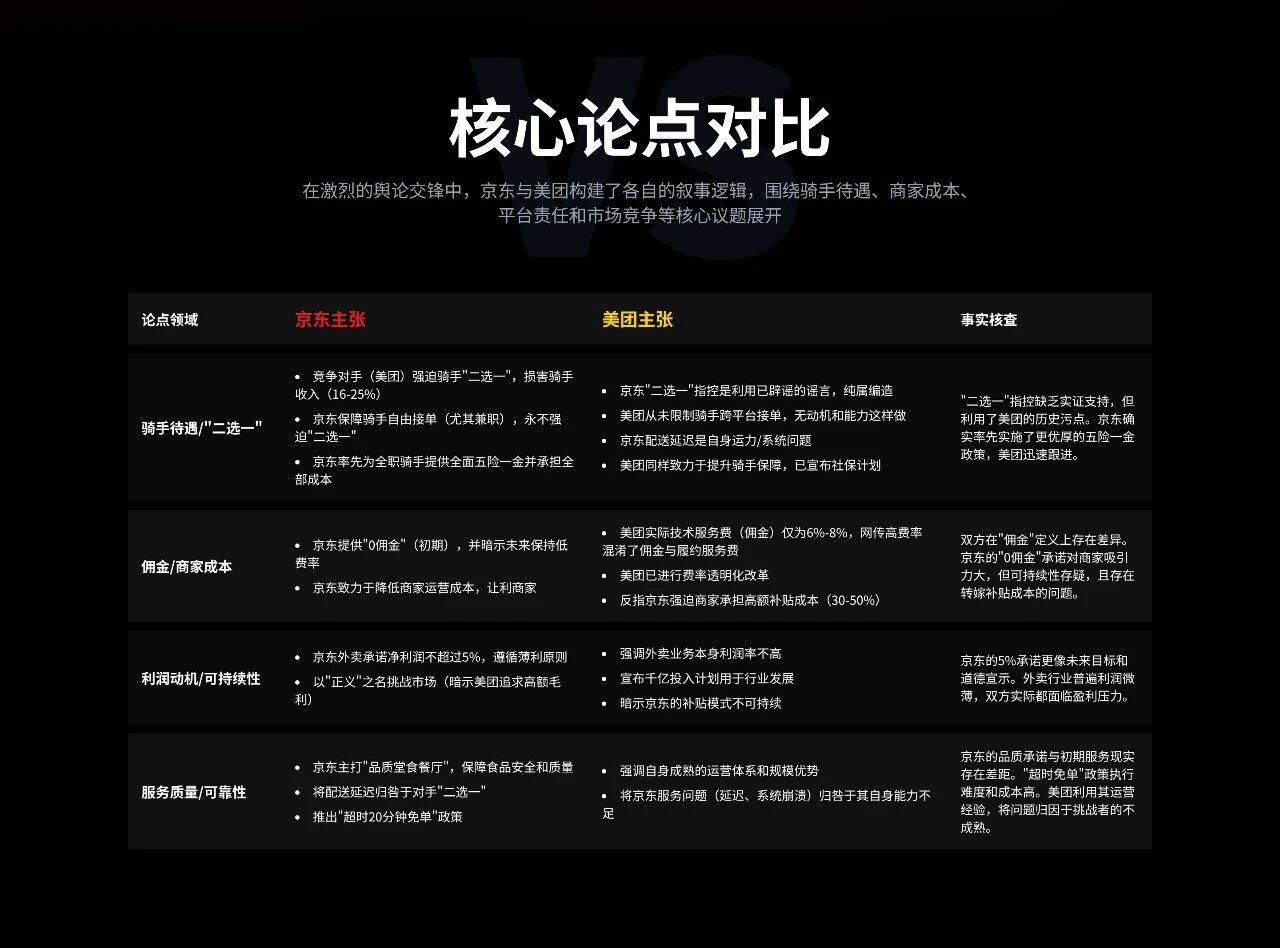
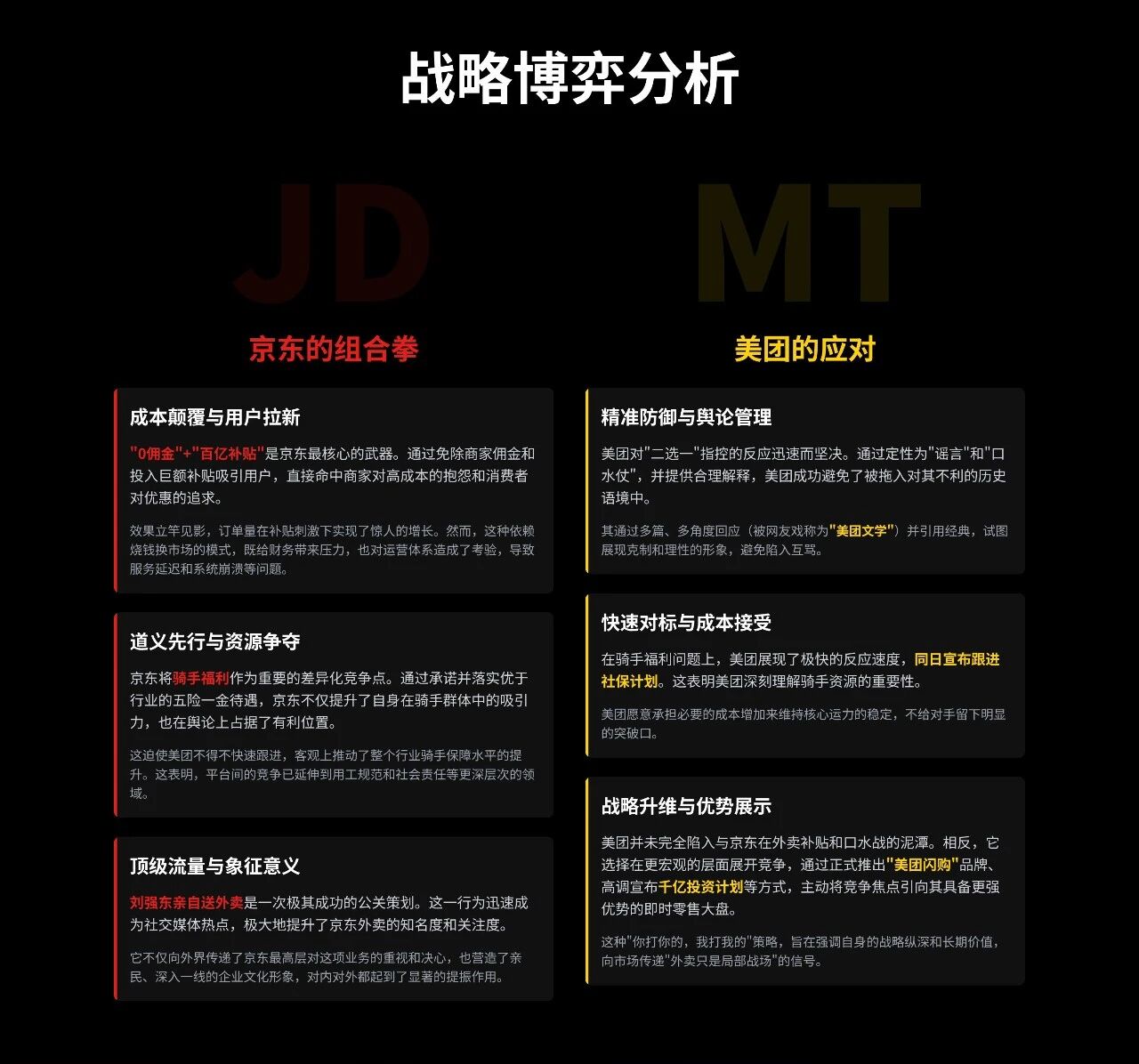
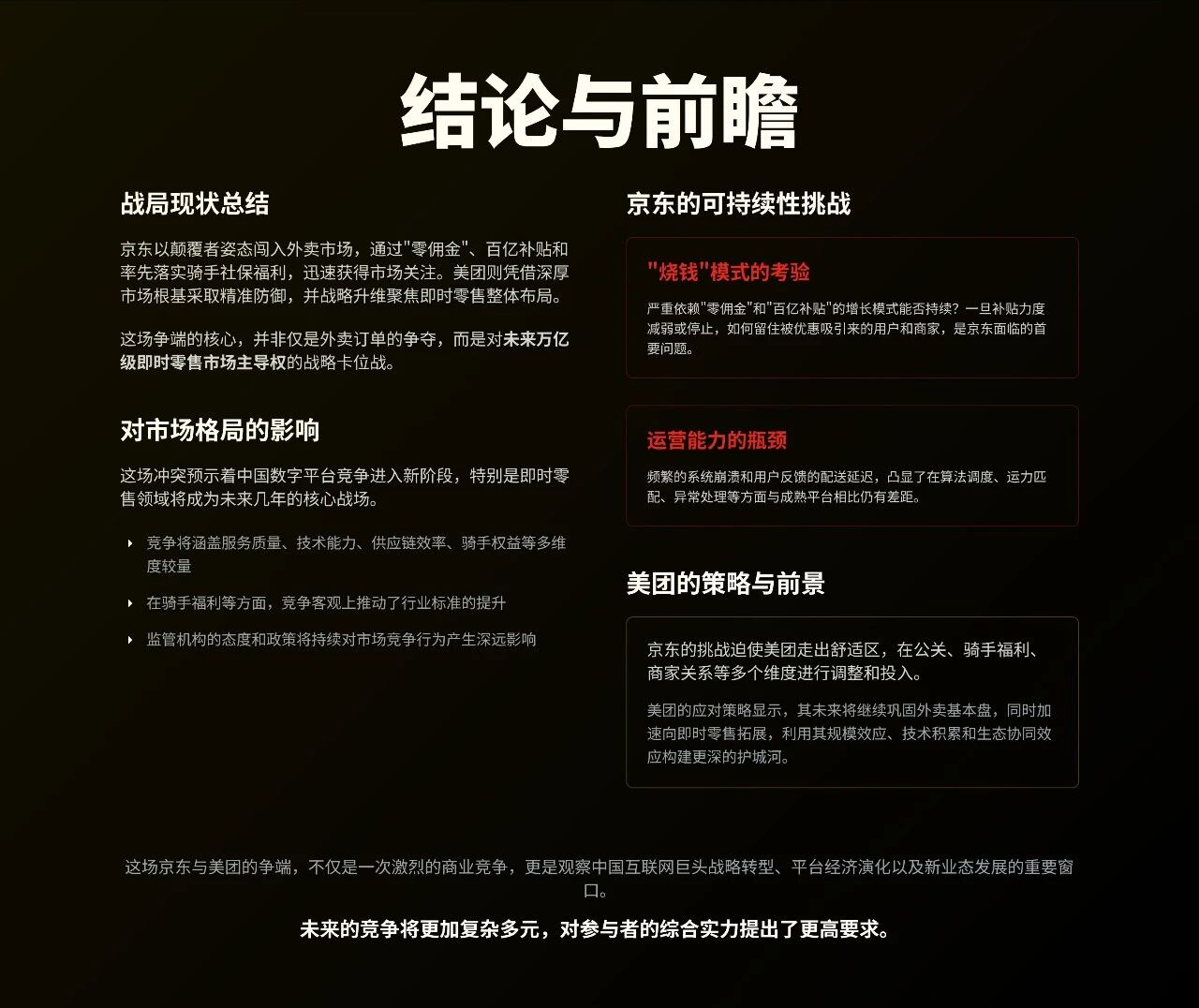
Web Pure Version (with animations):
https://w13adr6n04.app.yourware.so
Full Report Pure Version: https://fh5k77901t.feishu.cn/docx/HZ9AdR8suo0VaUxi7a5cZ4eknQb
What do you think?
I think it’s pretty cool.
Background of the event, timeline of key moments, arguments and fact-checks from disputing parties, behavioral analysis, impacts and insights – all are thoroughly organized.
You can directly use this Prompt template of mine:
# Hot Event Retrospective Analysis Prompt Template
For Deep Research tools, I still recommend Gemini and OpenAI first.
Both are effective, but there are slight differences in style.
Based on my personal experience,
Gemini’s Deep Research model has significantly improved after upgrading to 2.5 Pro, fully capable of competing with OpenAI. Backed by Google, its citation sources are both fresh and numerous, often starting with dozens to hundreds of sources, and they are relatively accurate. Especially when researching relatively public and well-sourced information, the overall logic of the research results can even surpass OpenAI’s. Moreover, it prefers outputting in tables, which enhances readability.
OpenAI’s Deep Research typically doesn’t have as many reference sources as Gemini, usually around a few dozen. However, the o3 model’s capabilities are still stronger. When conducting research tasks, o3’s reasoning guides the overall search direction. Additionally, when processing search results, the model will connect and deduce relationships between different search results, rather than relying entirely on the conclusions from the search. Therefore, when researching relatively niche topics with fewer information sources, OpenAI’s Deep Research often performs better, but sometimes it may exhibit noticeable hallucinations, which require caution.
If you don’t have memberships for these two, you can also use Grok’s DeeperSearch, among others.
After obtaining the research report, you can generate a beautiful webpage to present it.
It has to be said that the value of this prompt set from Master Cang @Guizang’s AI Toolbox continues to rise:
Help me convert the above report into an HTML animated webpage, with a particular focus on showcasing the event timeline. Specific requirements are:
Send the above prompt along with your research report to an AI with strong coding capabilities, and just wait for the result.
There are several AI options available here.
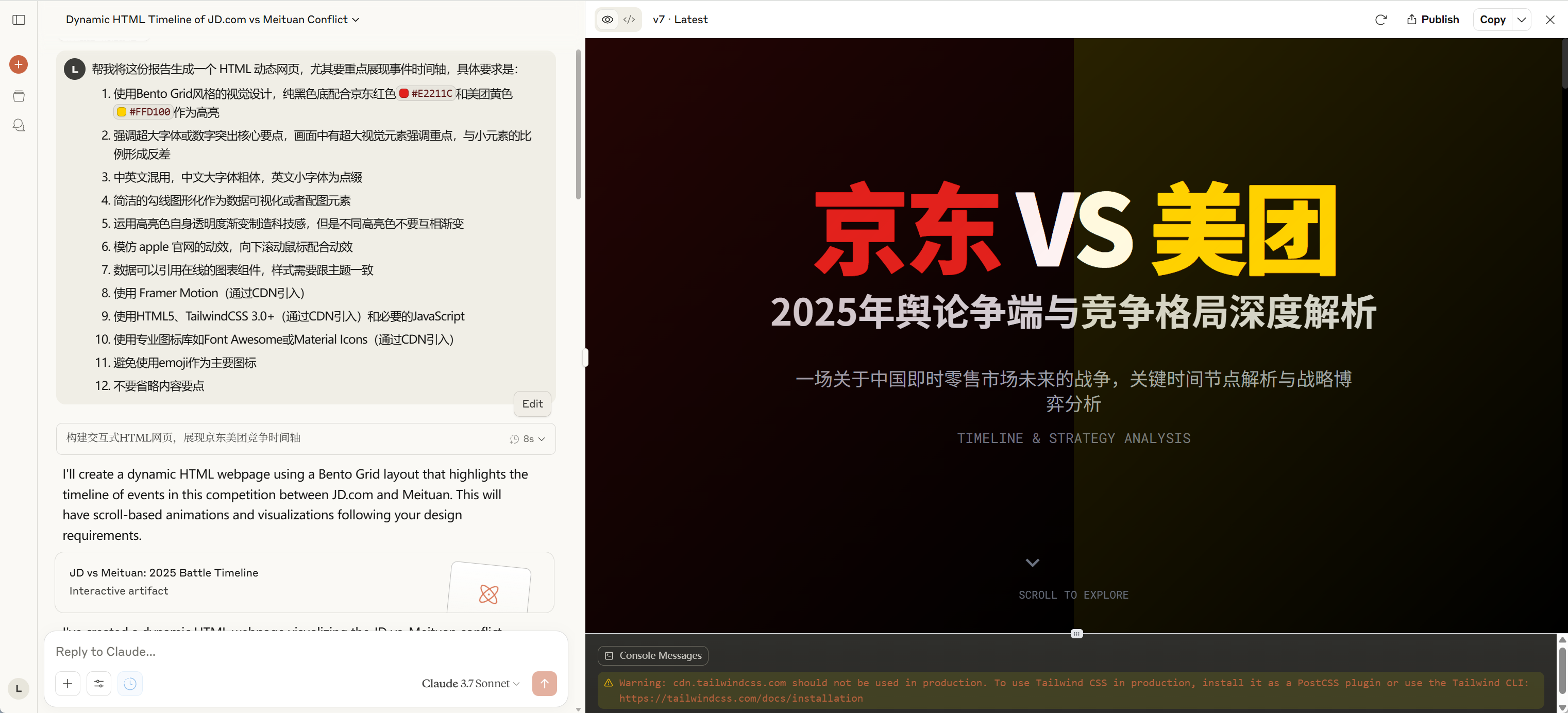
But the top recommendation is still Claude 3.7 Sonnet, with both summarization capabilities and aesthetics being top-notch:
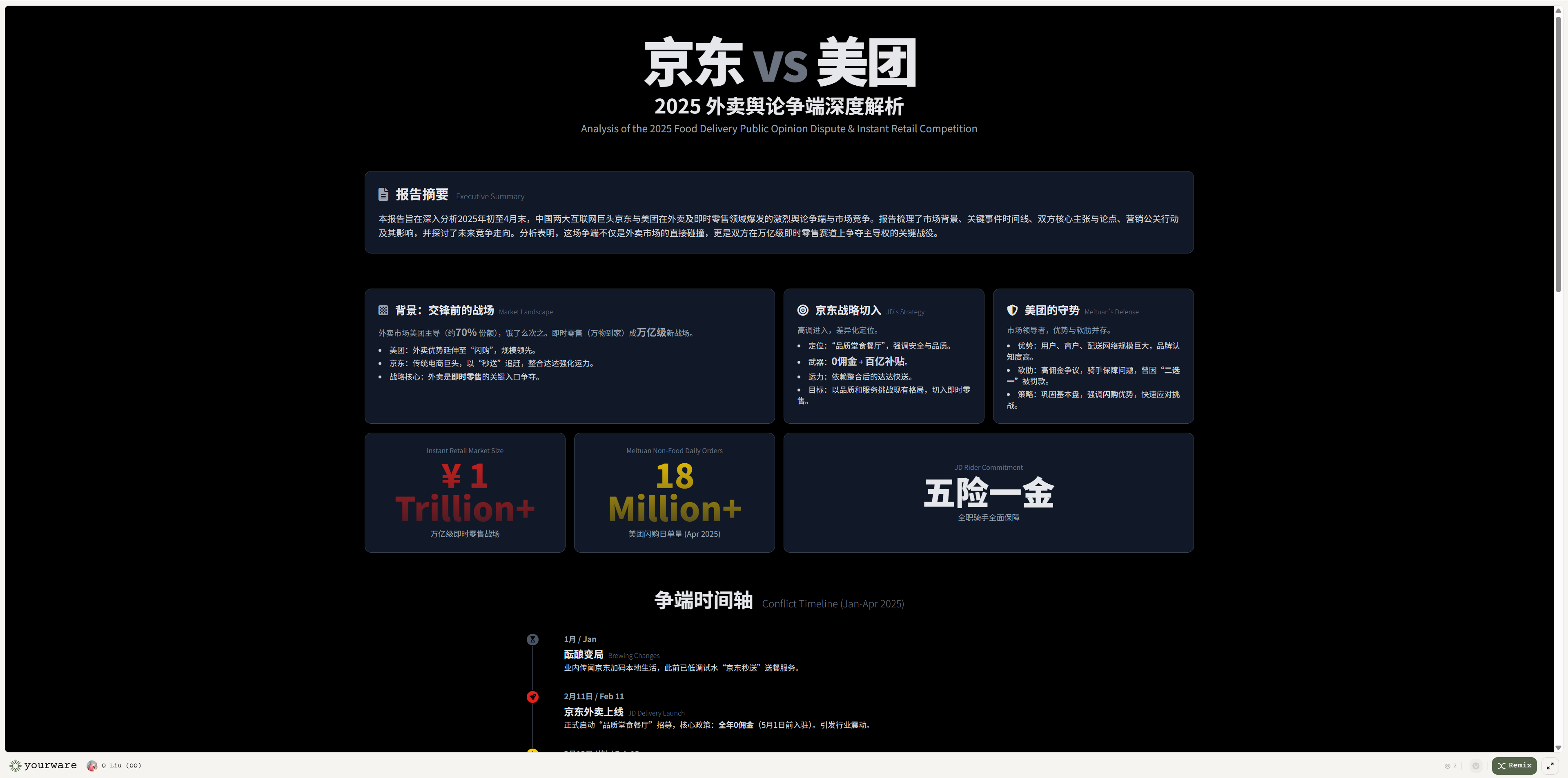
Gemini 2.5 Pro also performs quite well:
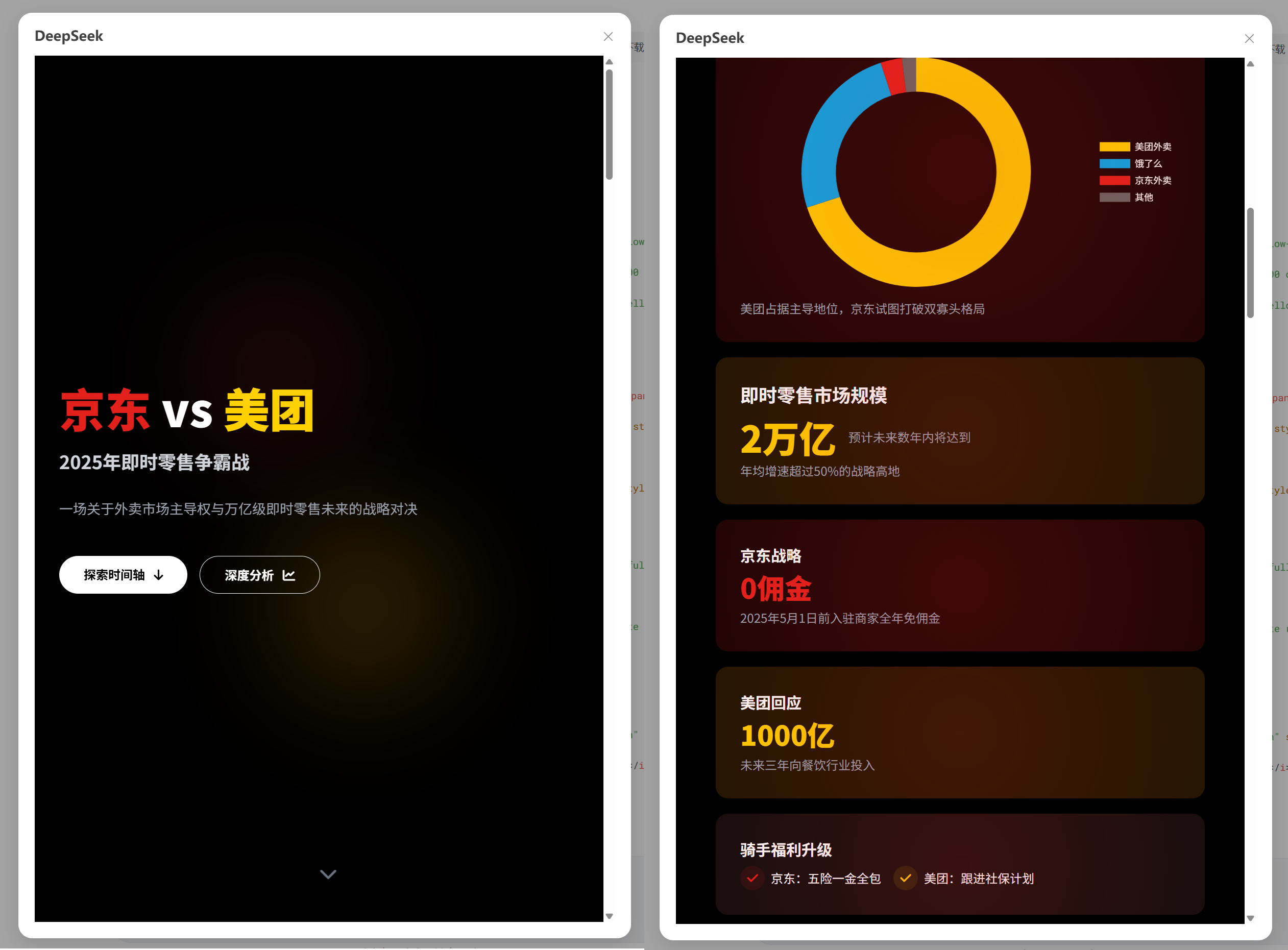
DeepSeek V3 is passable:
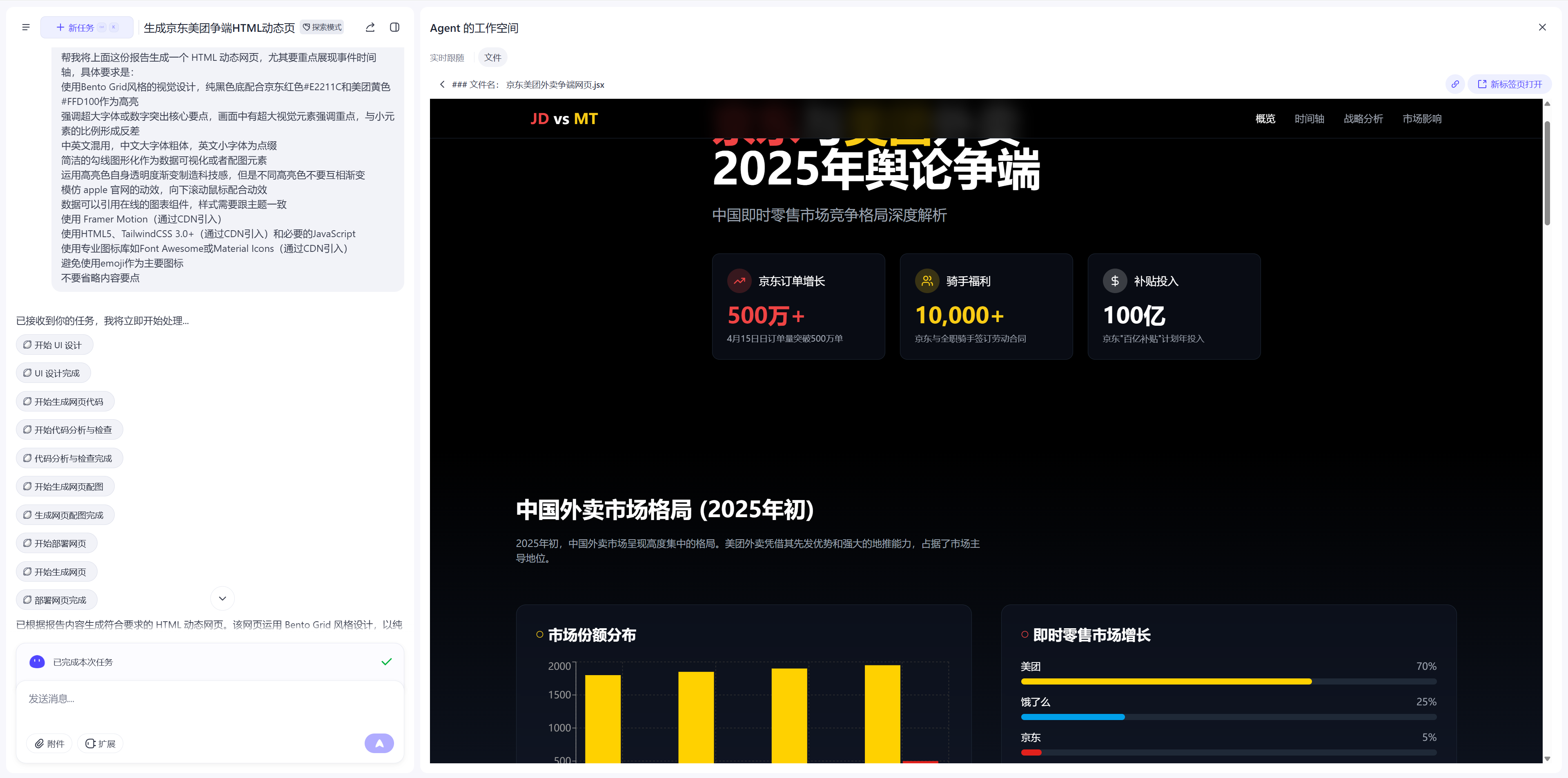
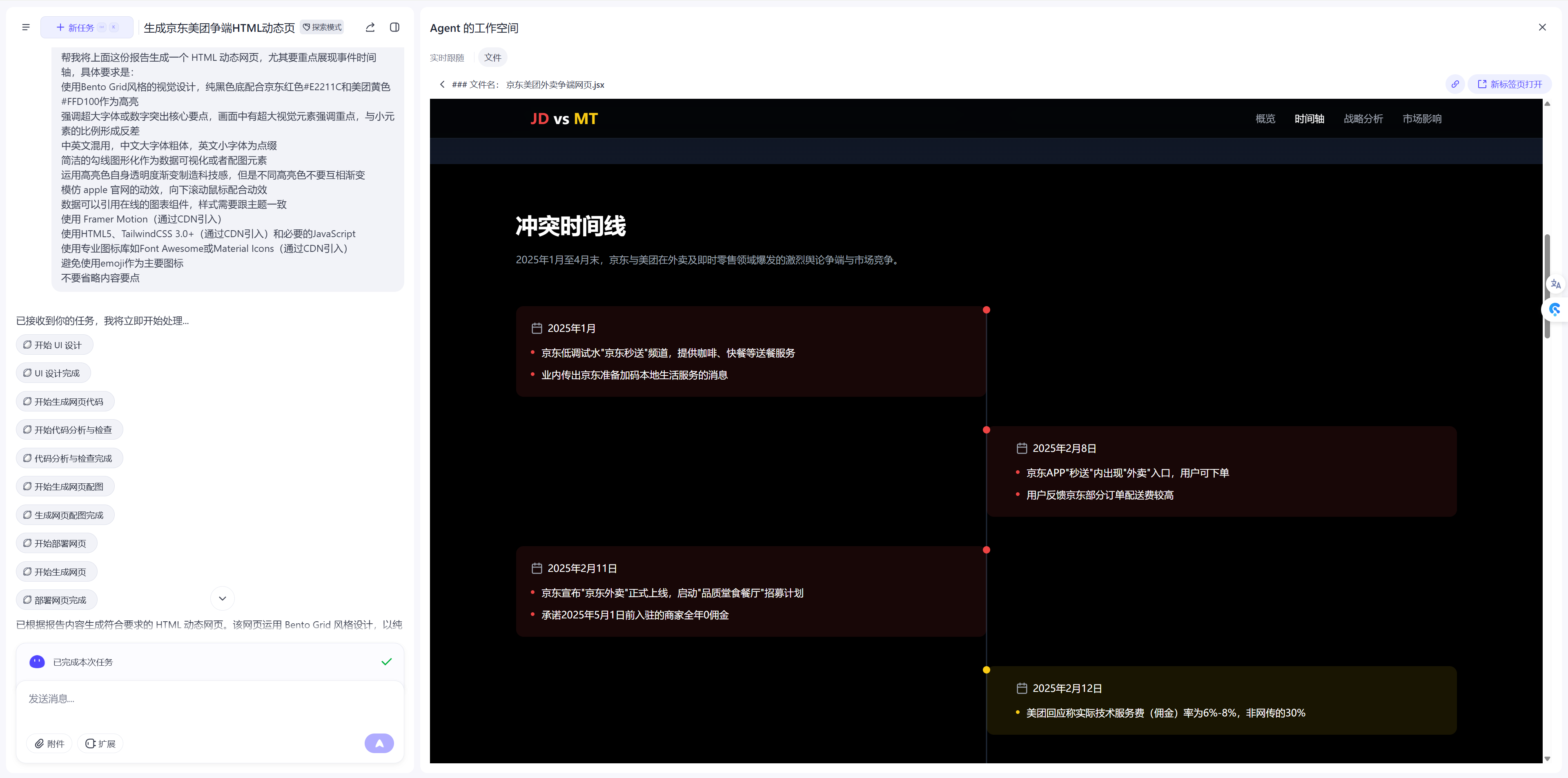
Coze Space’s page design is acceptable, but the model’s analysis and comprehension abilities or support for long texts might be slightly weaker, leading to hallucinated data and requiring more manual adjustments:
Finally, have the AI continue writing code to help you convert the HTML page into an image, or directly use ready-made tools like Cloudconvert to convert the page into an image, so you can post it anywhere you like.
Have fun~