Let me state the conclusion directly:
As of today, June 26, 2025, if I could keep only one agent for work, I would choose Tiangong.
Several new agent products have appeared over the past month, but in the office-productivity space, I think Tiangong has successfully defended its position.
Let us look at the three classic office scenarios separately: PPT, Word, and Excel.
PPT
Long-time readers may remember that I was quite critical of earlier one-click AI PPT generators, and even built a workflow based on multidimensional tables for that reason:
PPT this thing, first priority is persuasive logic, second is beautification.
But most AIPPT products are somewhat inverted, focusing on beautification while abandoning persuasive logic. The better ones require users to provide a Word document; the worse ones even let large language models generate randomly without constraints.
In the end, only the main topic matches, the specific content is all out of control, and a template is applied directly to produce the work.
The core problem my earlier spreadsheet setup solved was enhancing control over PPT content through repeated constraint input.
However, its problem was that it lacked the last mile.
It could not directly generate a PPT.
Tiangong Super Agent precisely helped me solve this problem.
Tiangong’s excellent instruction following supports prompts like this:
“` Please strictly generate a PPT of [page count] pages based on the outline and content for each page (Page) below. Note that the slide titles in the PPT must be consistent with those in the file. “`
Directly paste the refined outline below the above prompt, and Tiangong will really generate a PPT according to the information you provided.
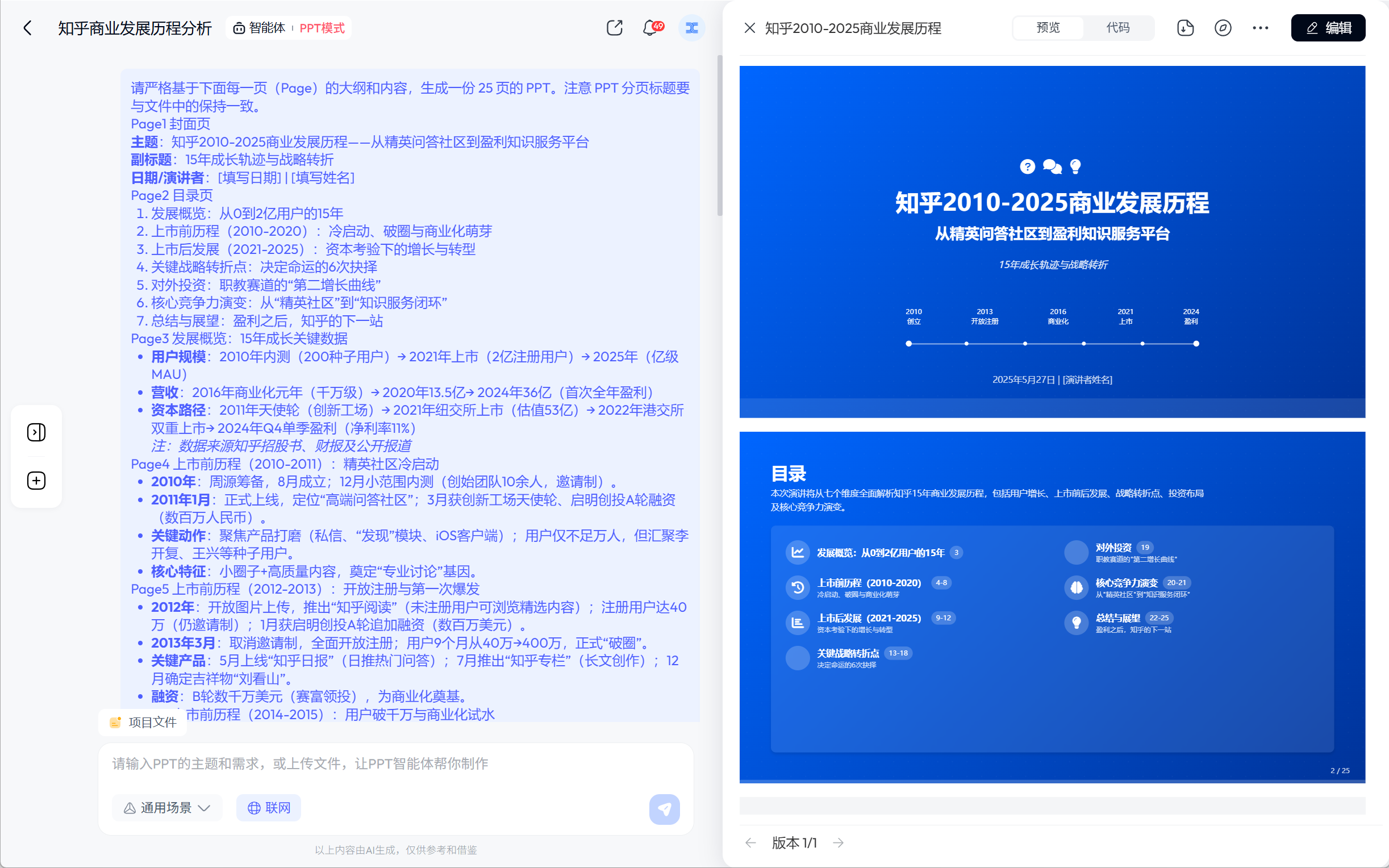
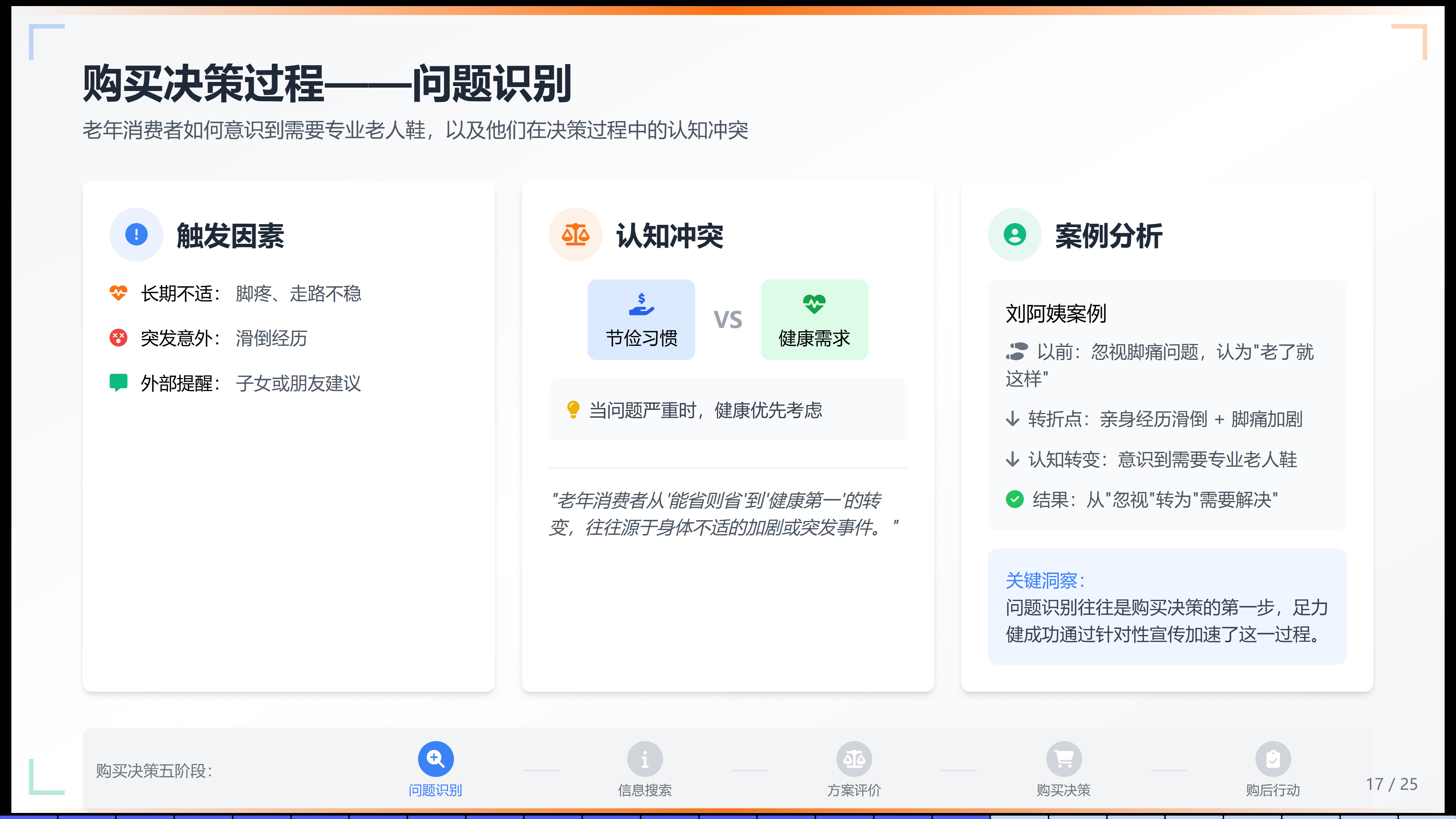
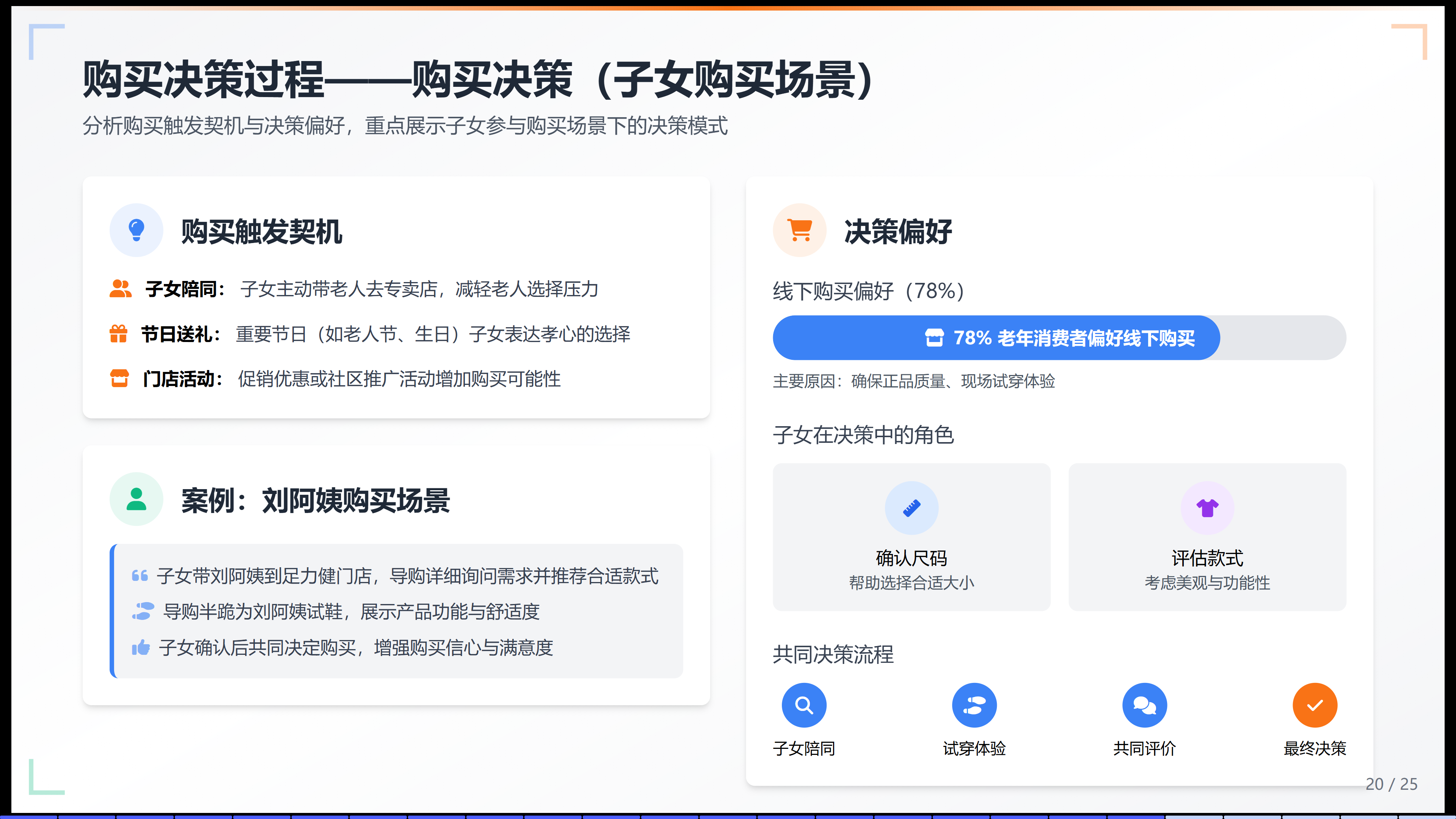
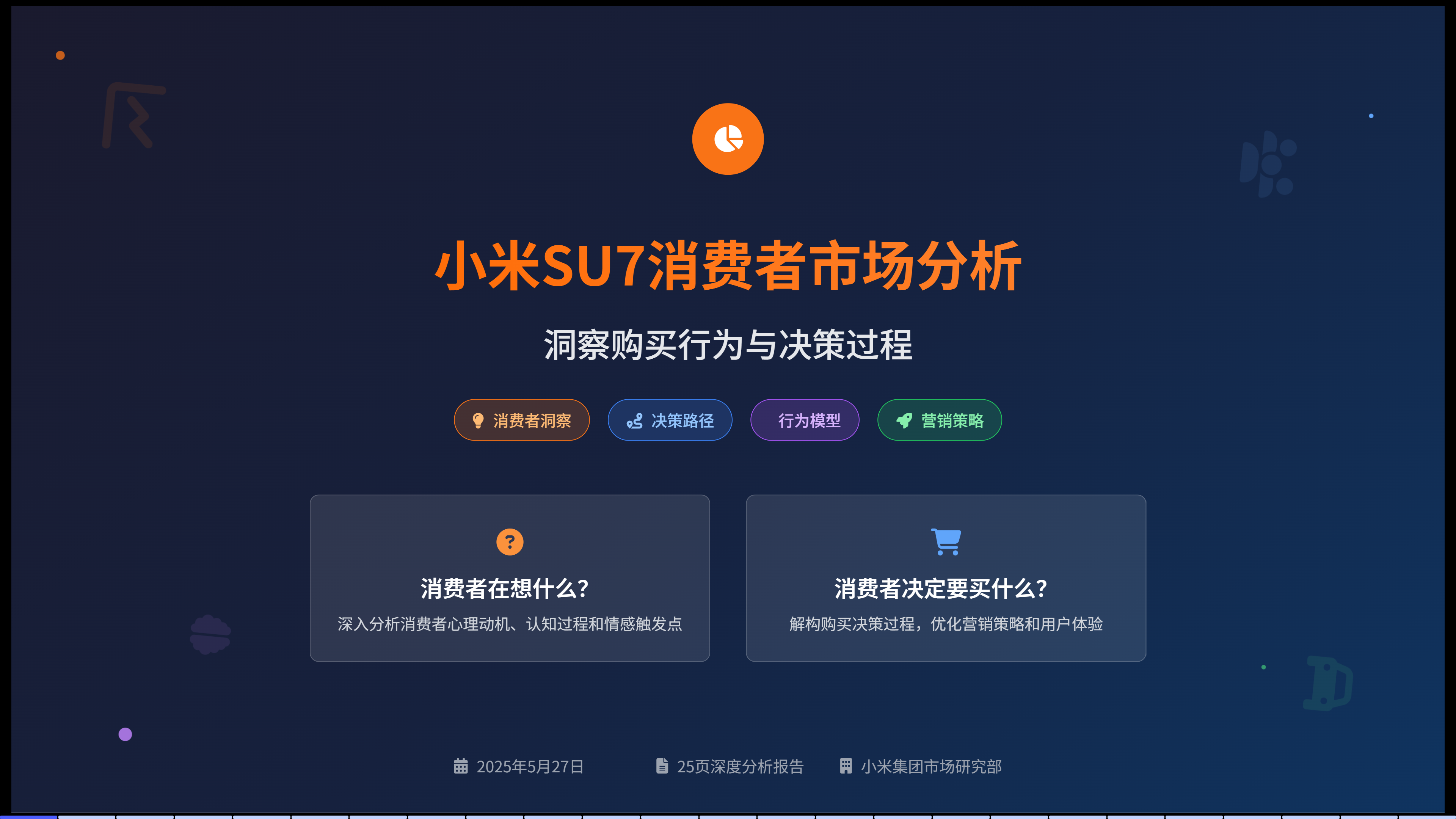
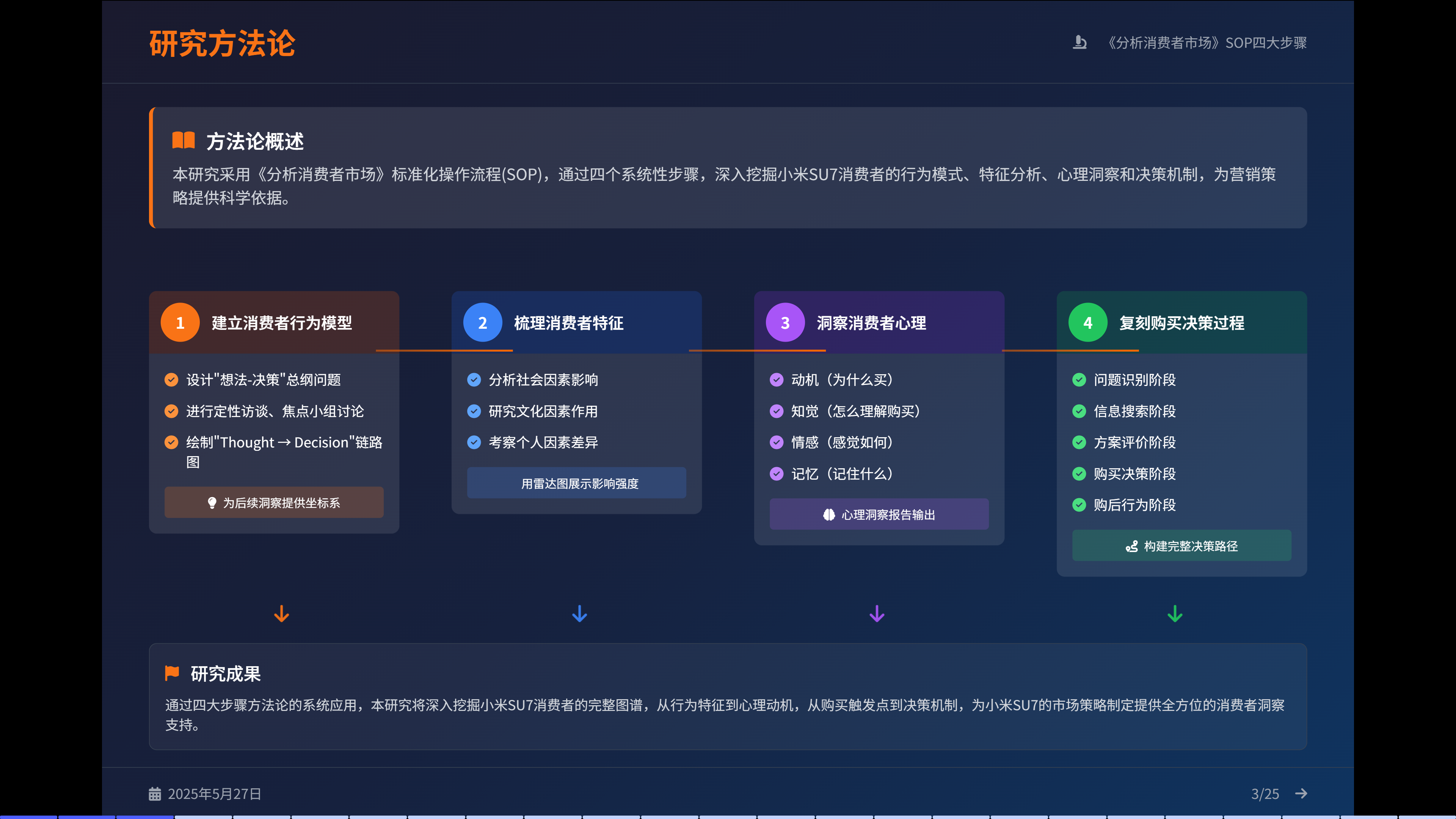
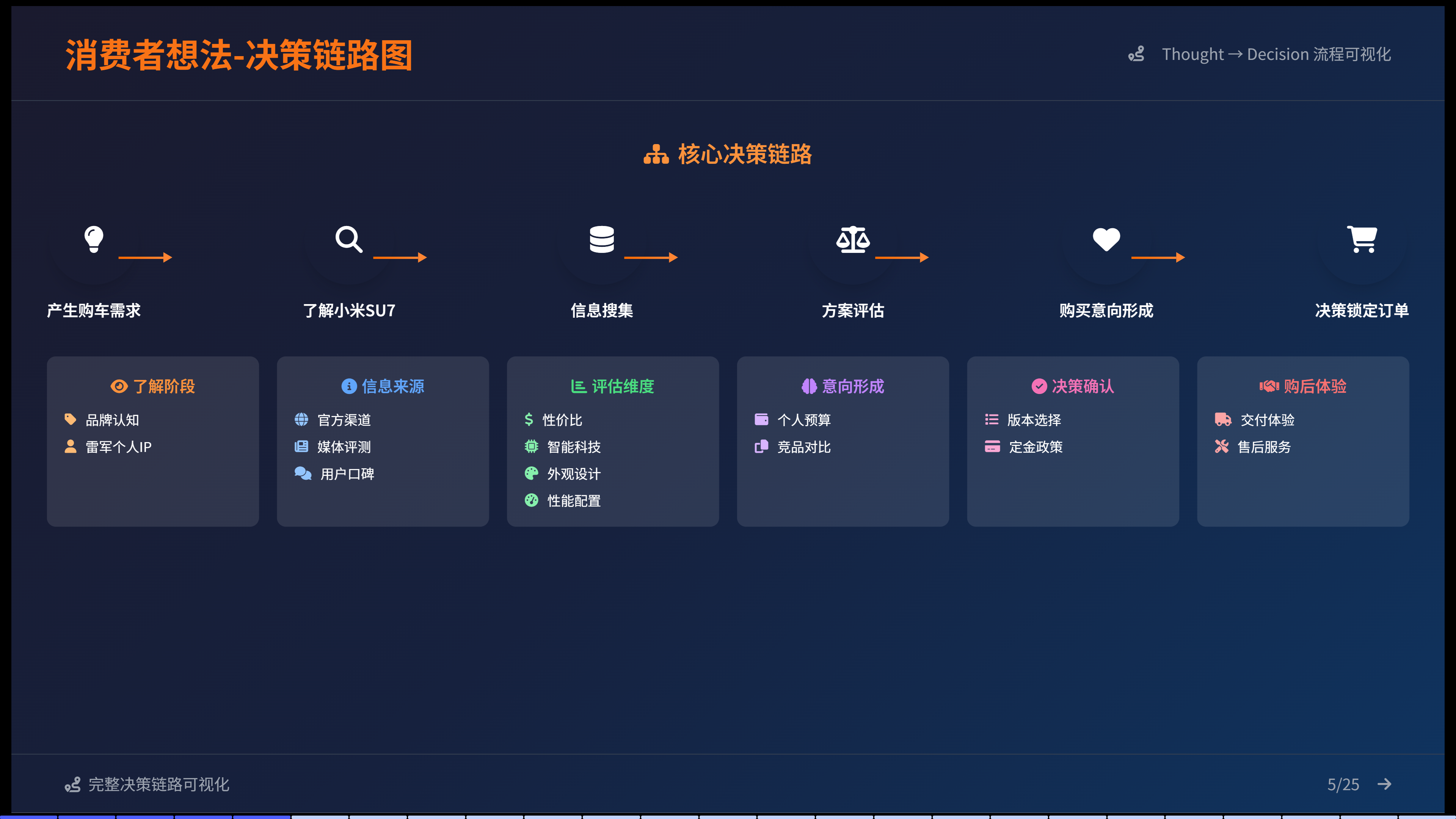
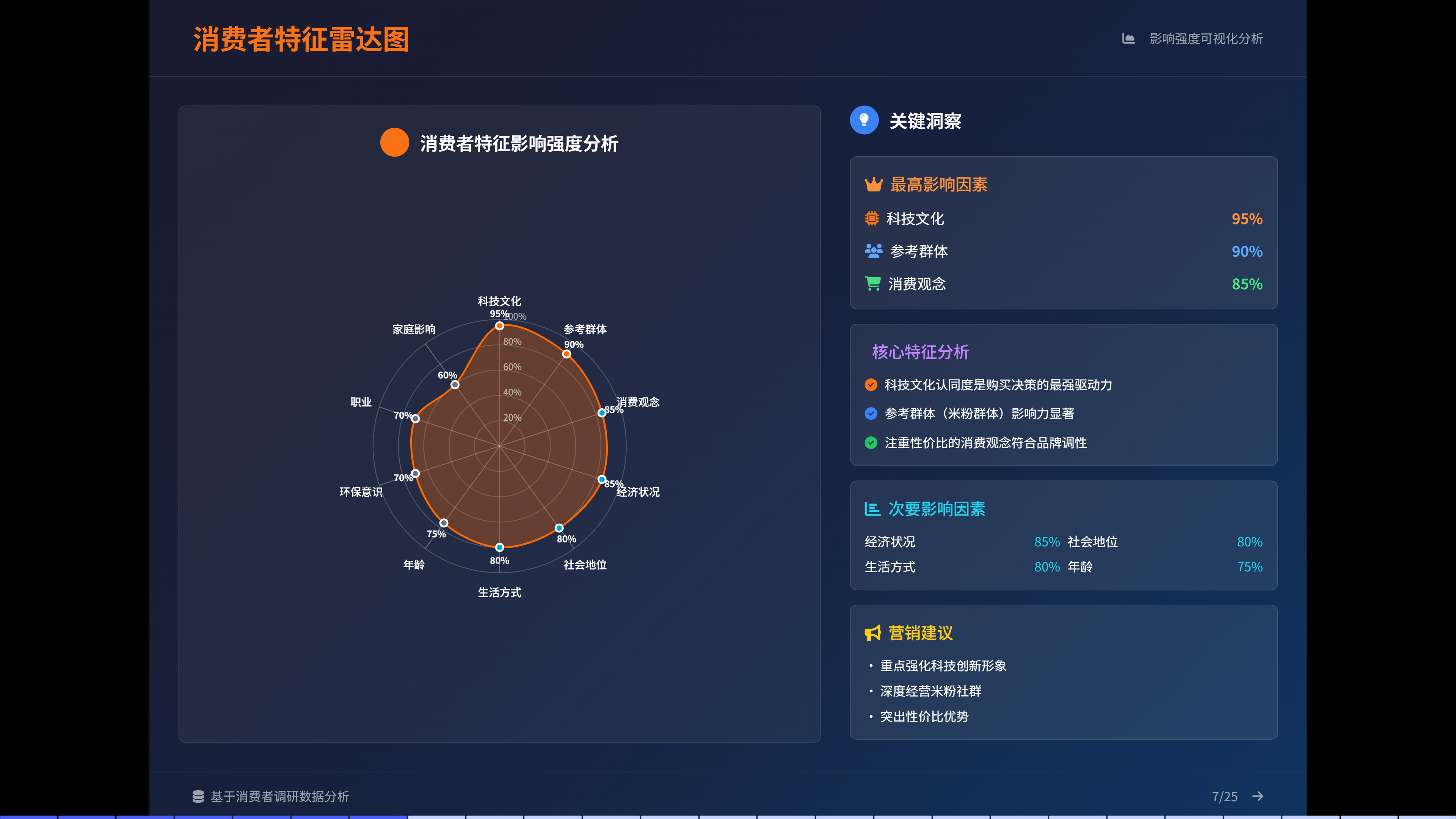
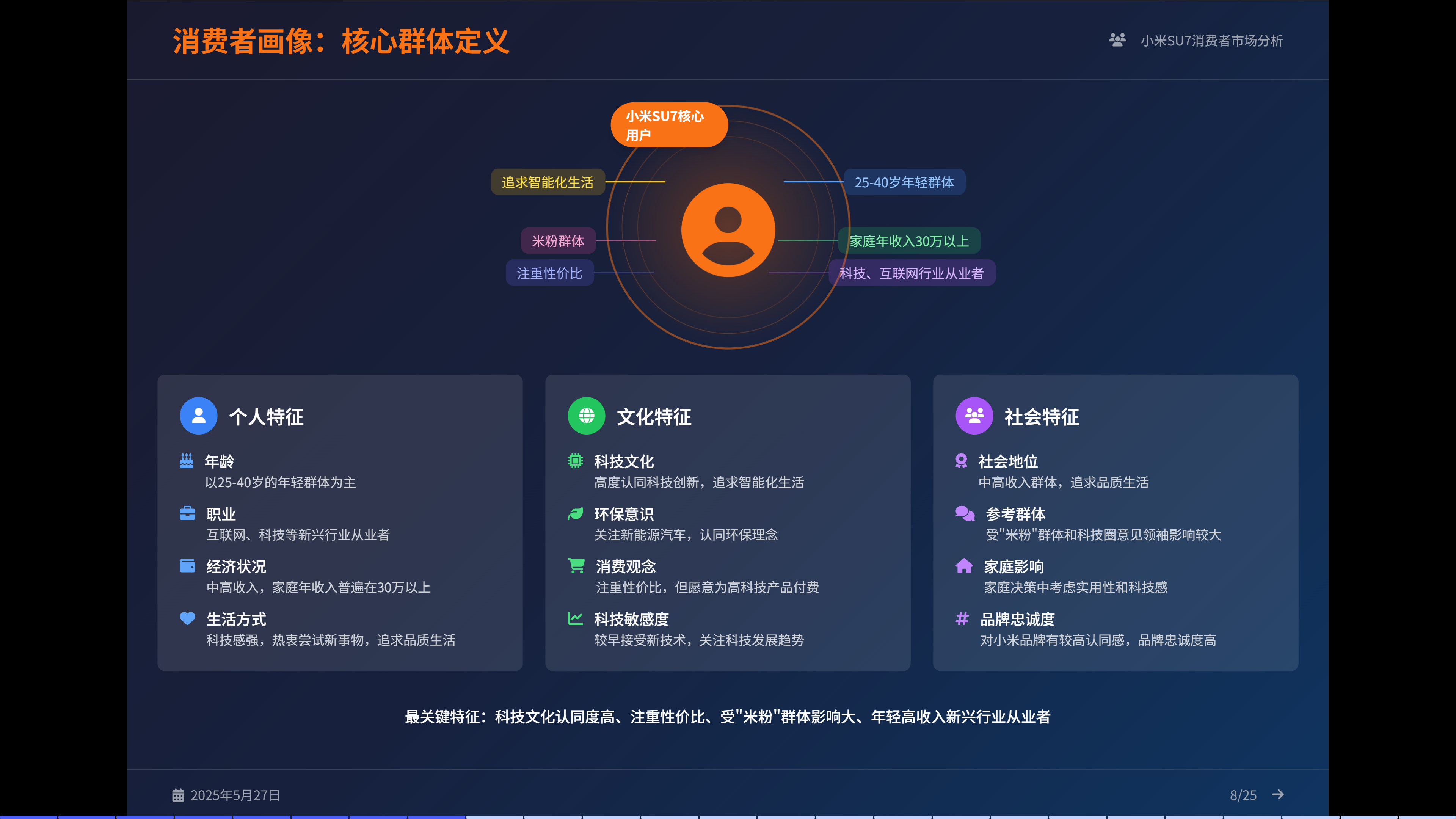
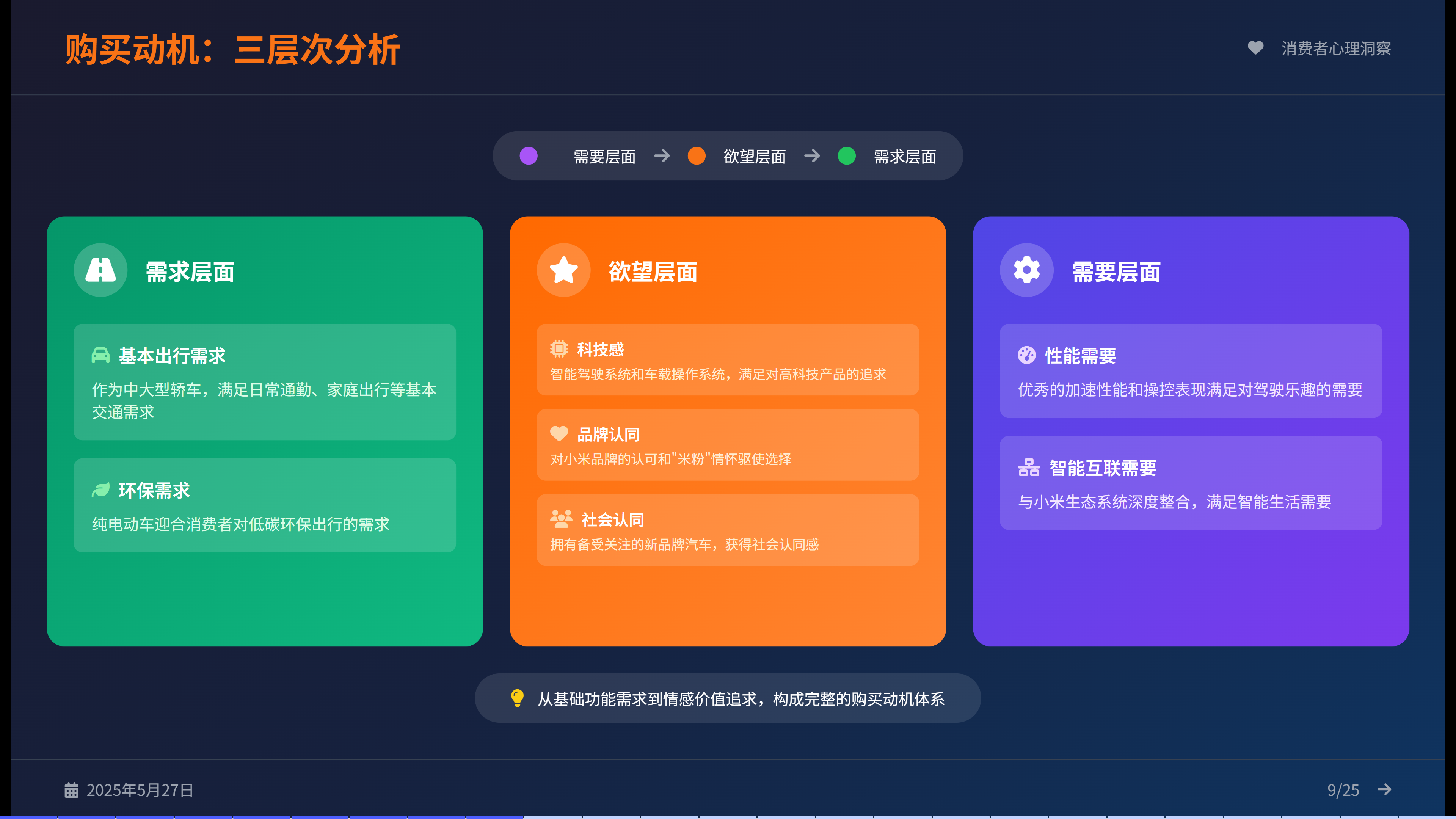
At a glance, it’s clear that the PPT generated this way has far superior logic compared to AIPPT tools that prioritize beautification (because human intervention occurs at the outline level), and the content details are also much richer than those of AIPPT tools that prioritize beautification.
I’ve included some screenshots of the generated PPT pages below for you to get a feel:
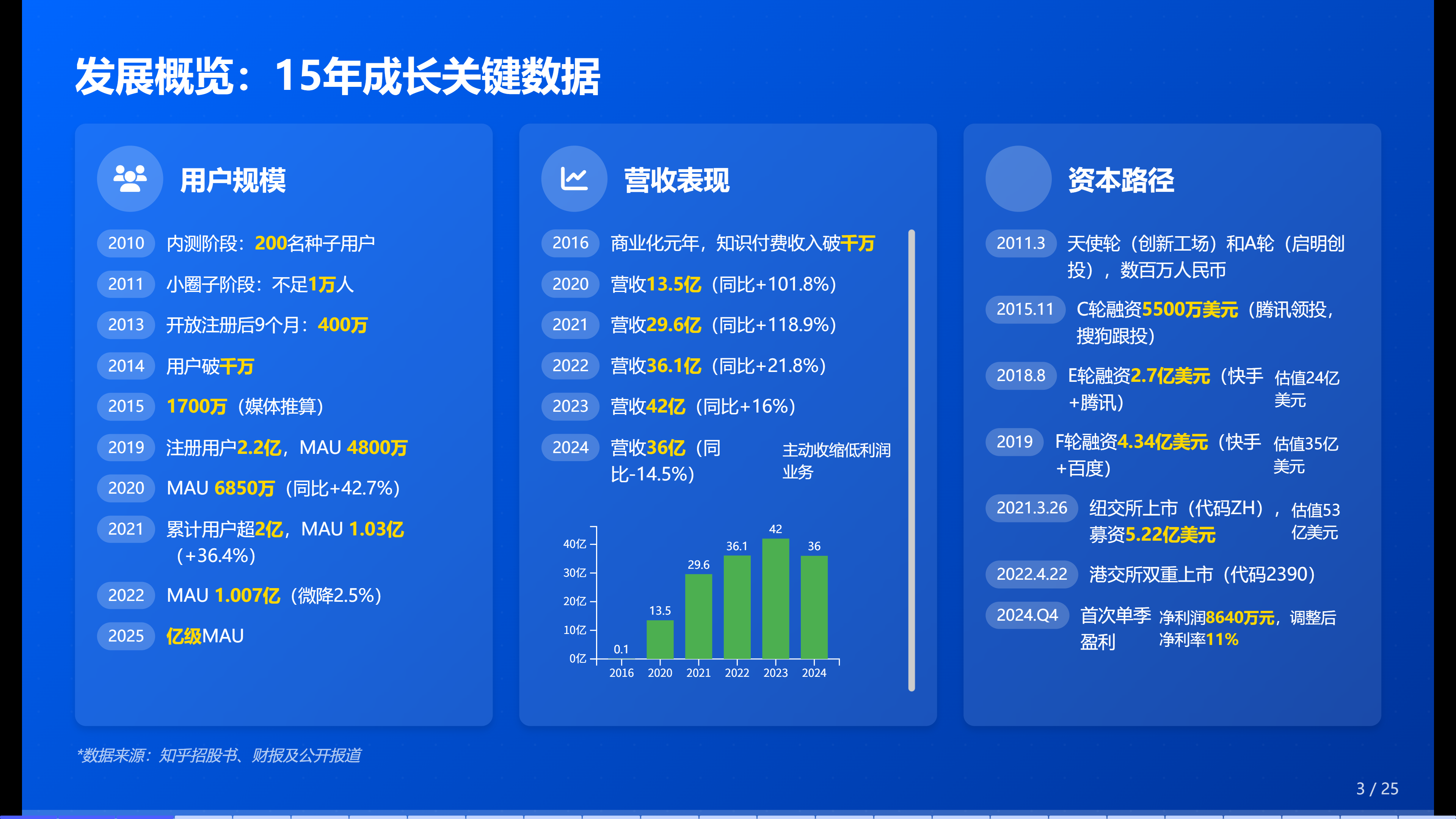
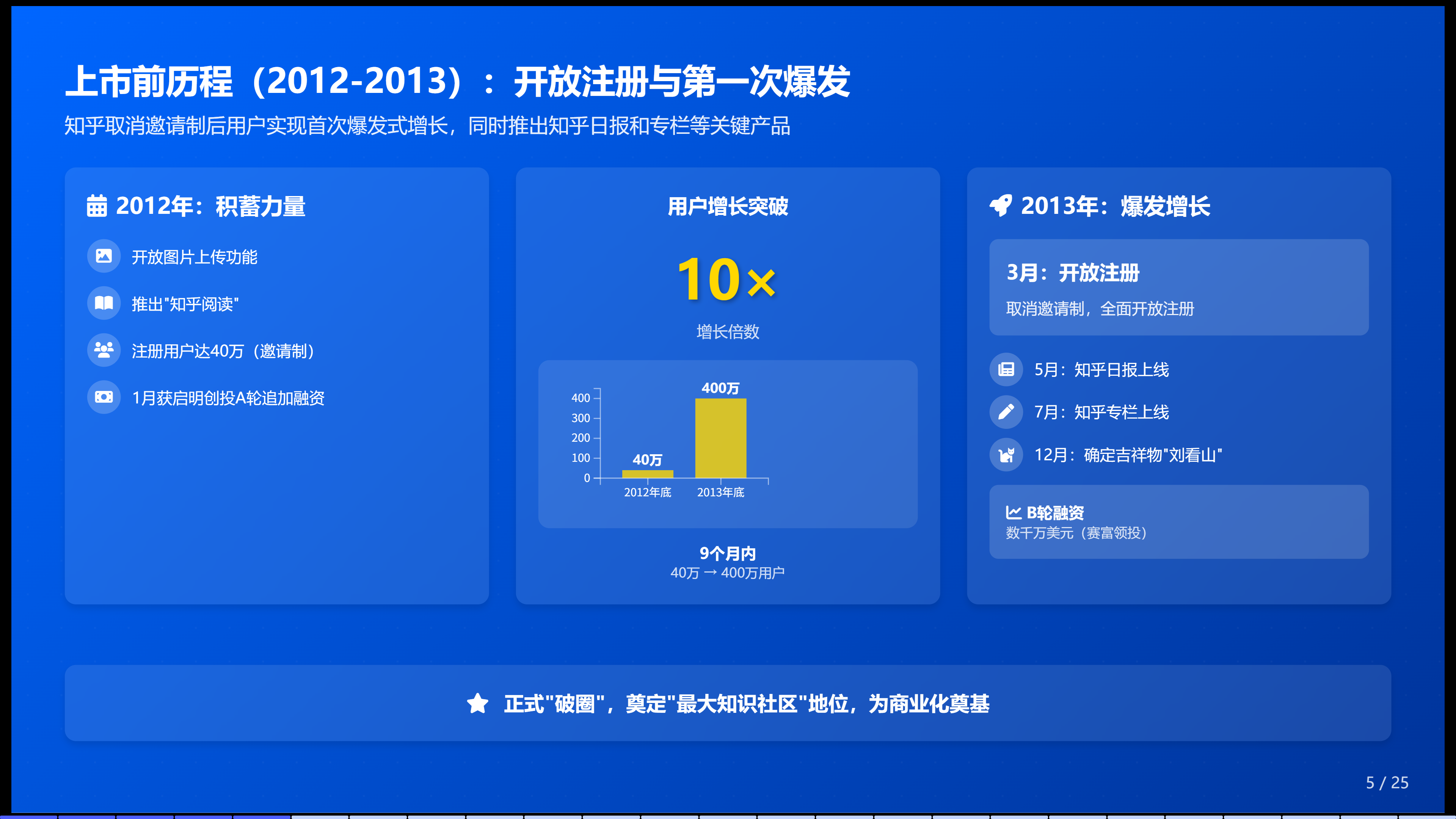
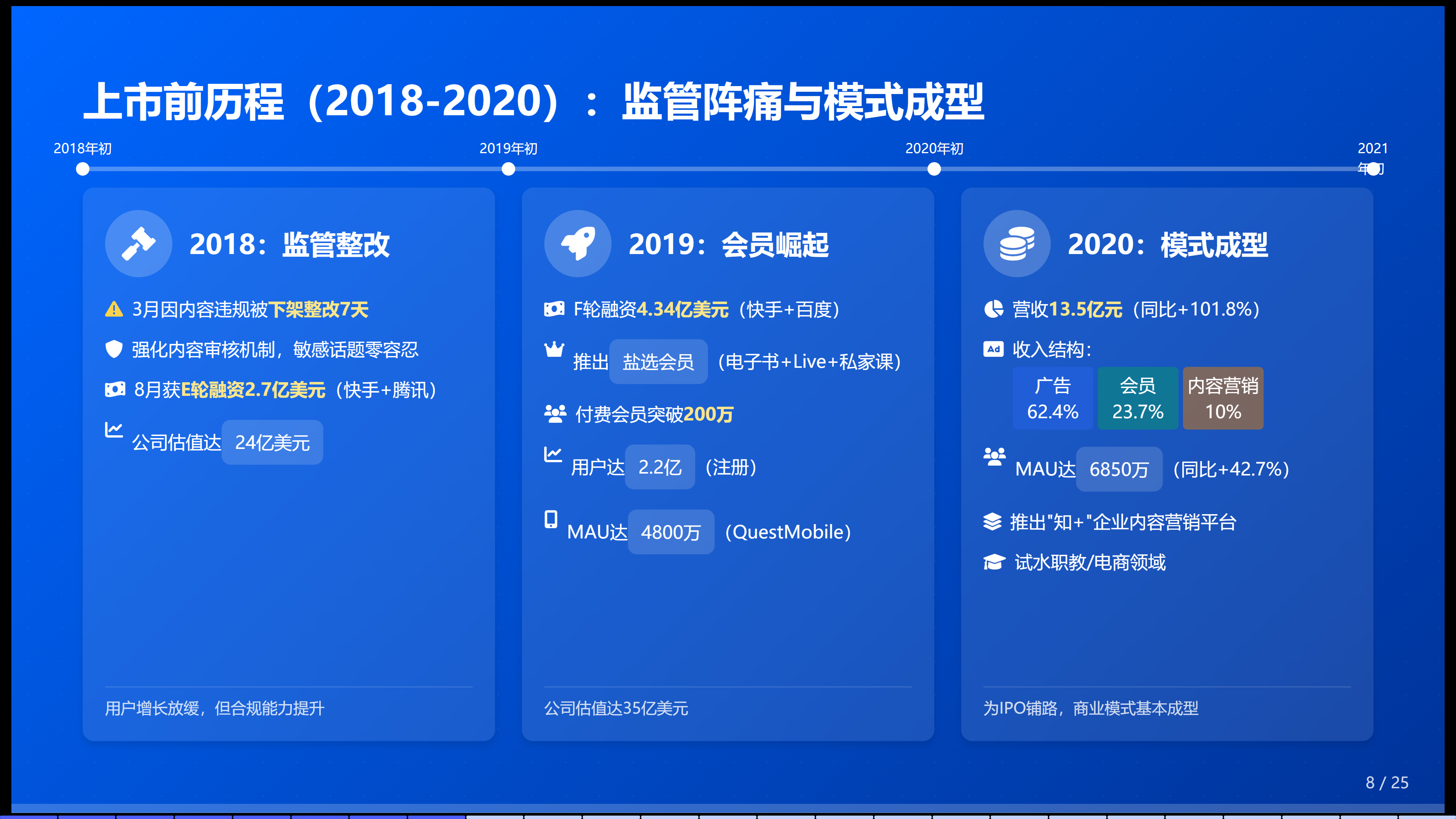
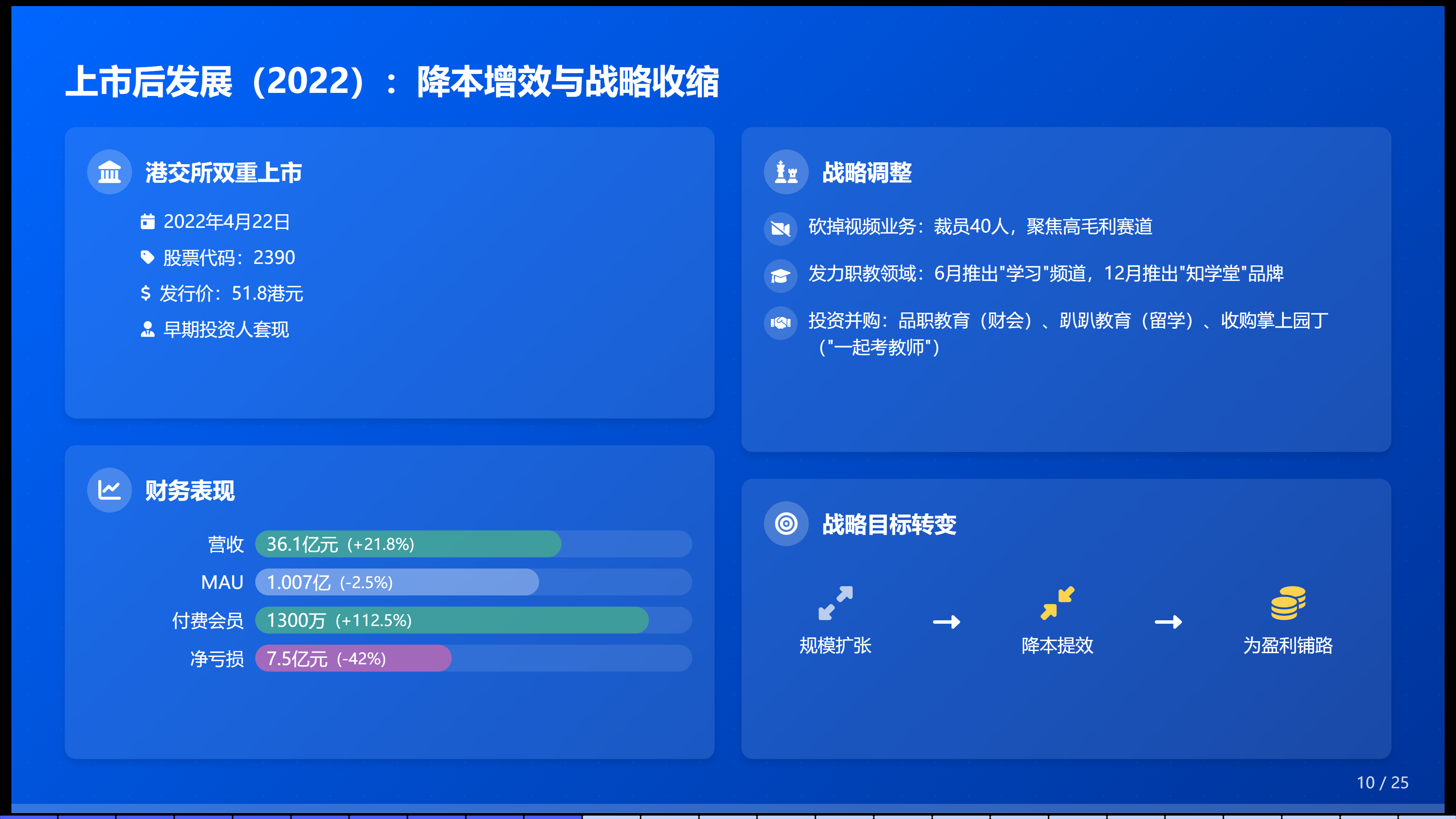
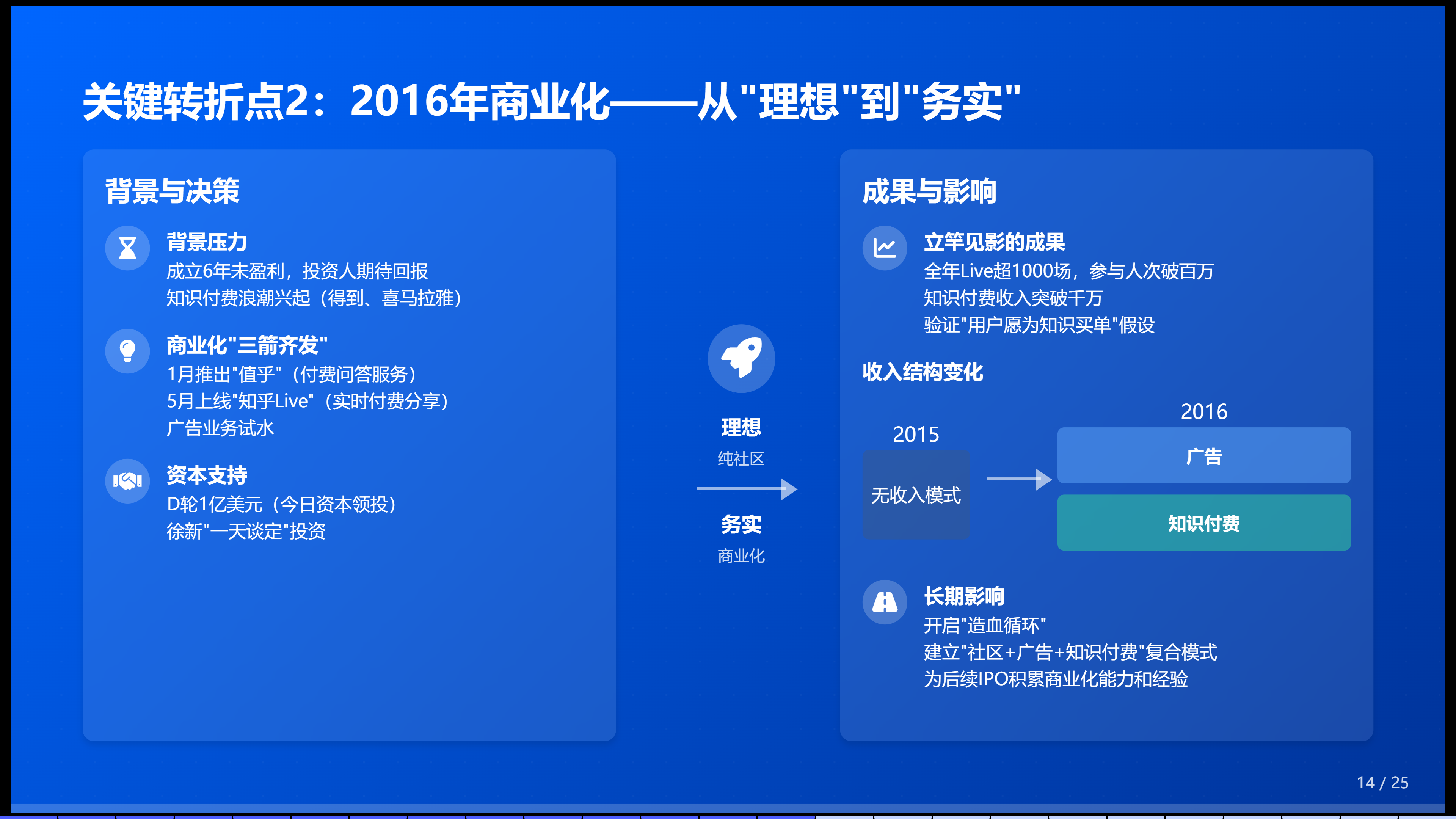
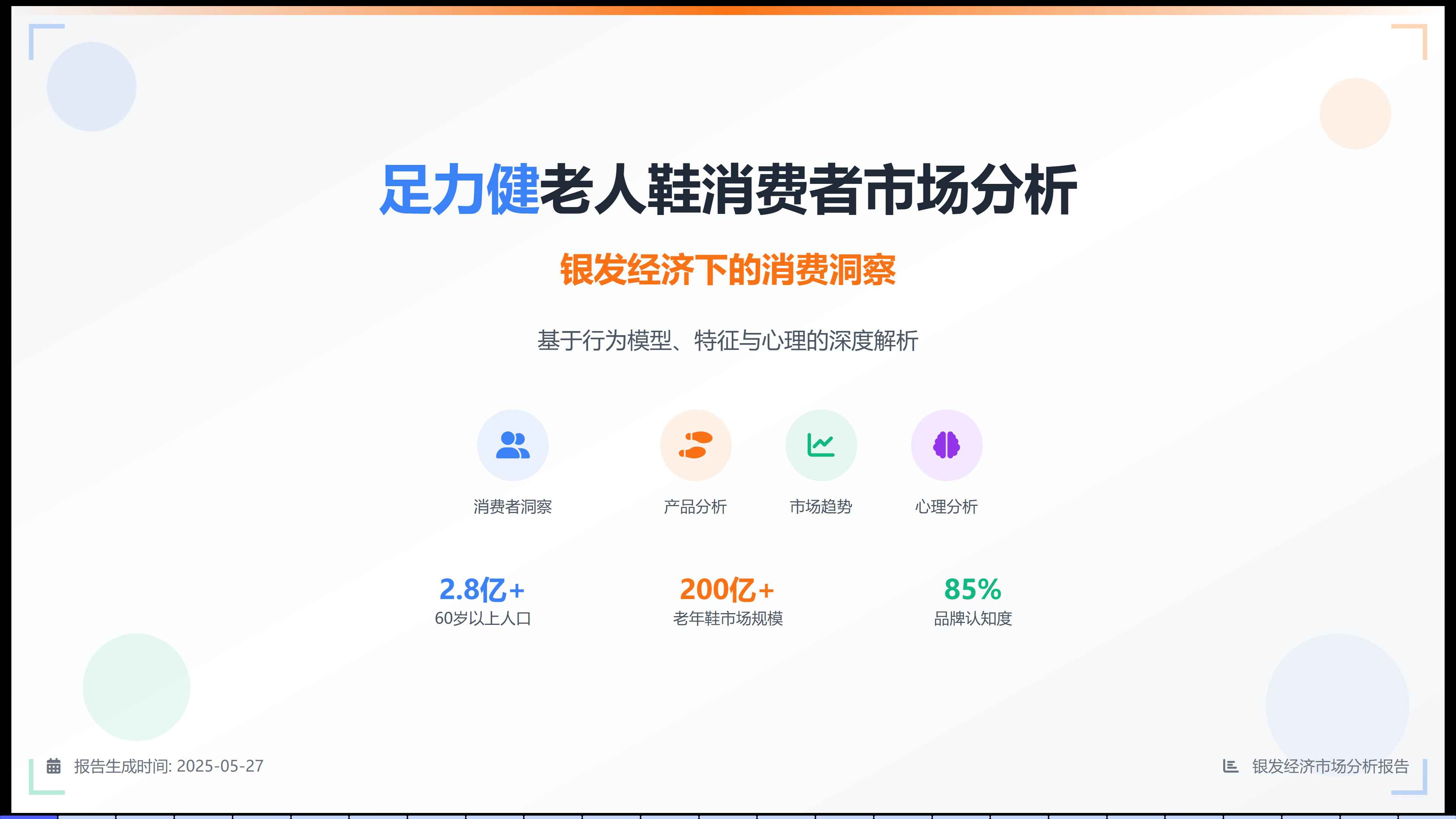
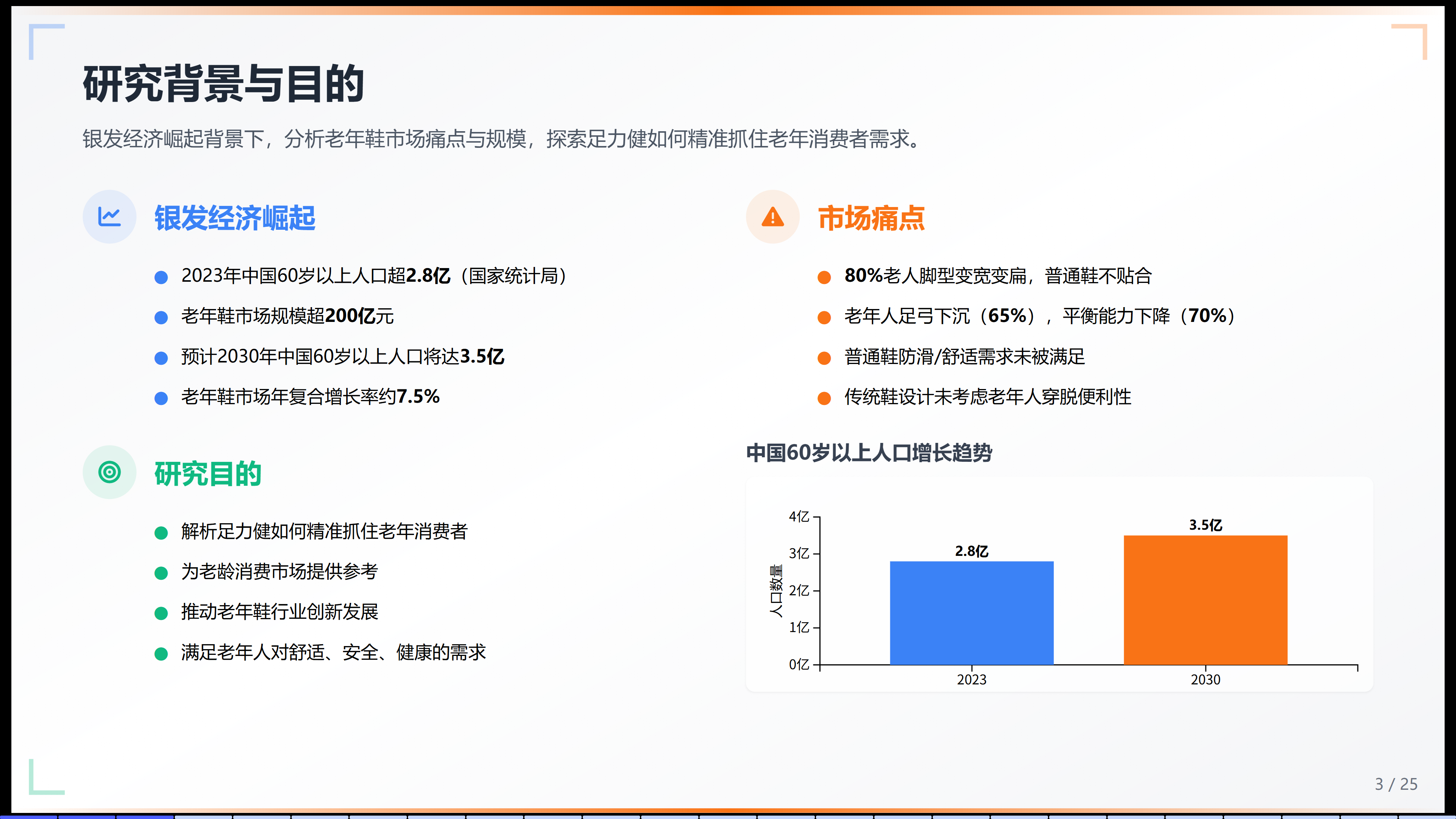
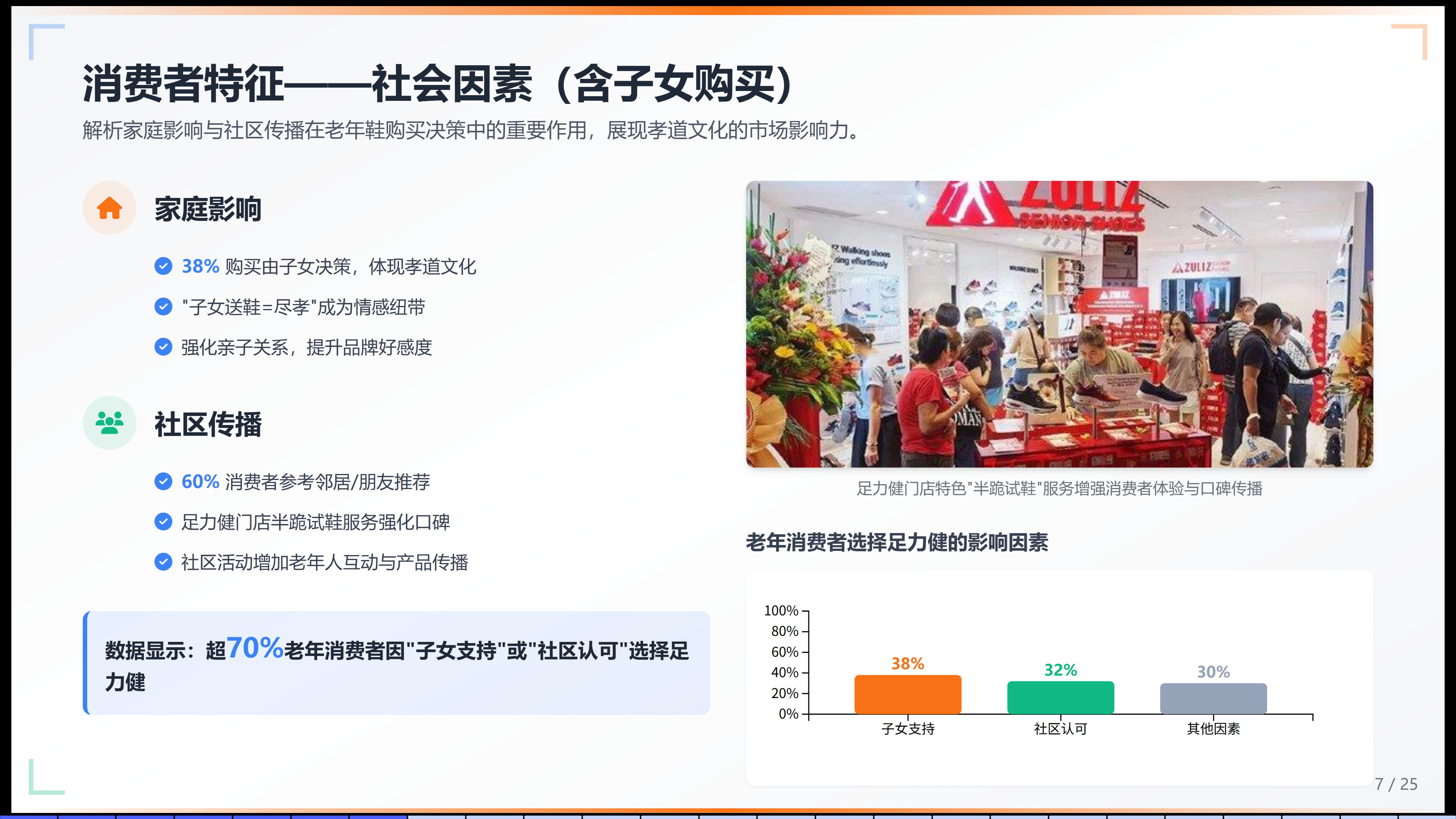
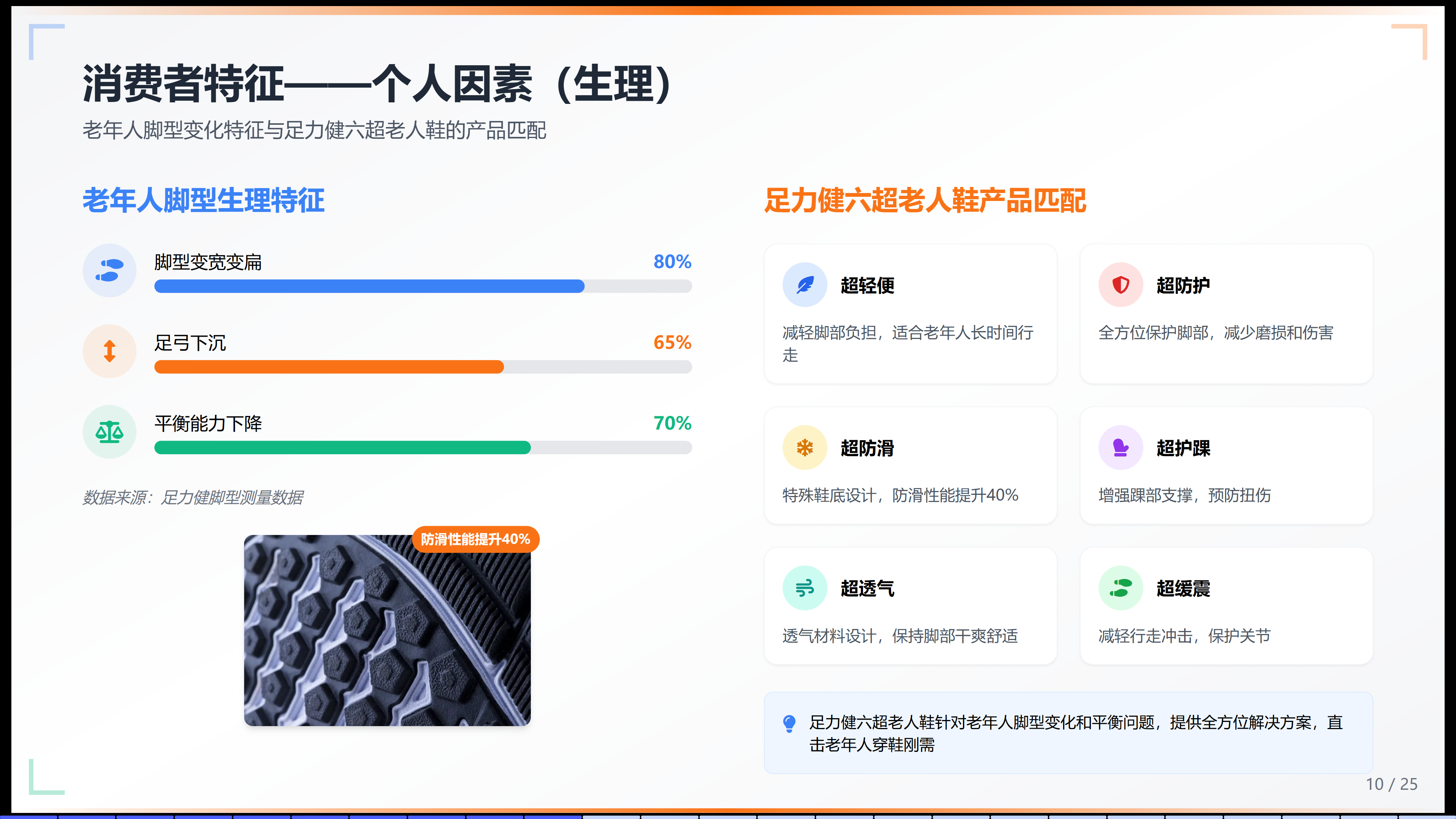
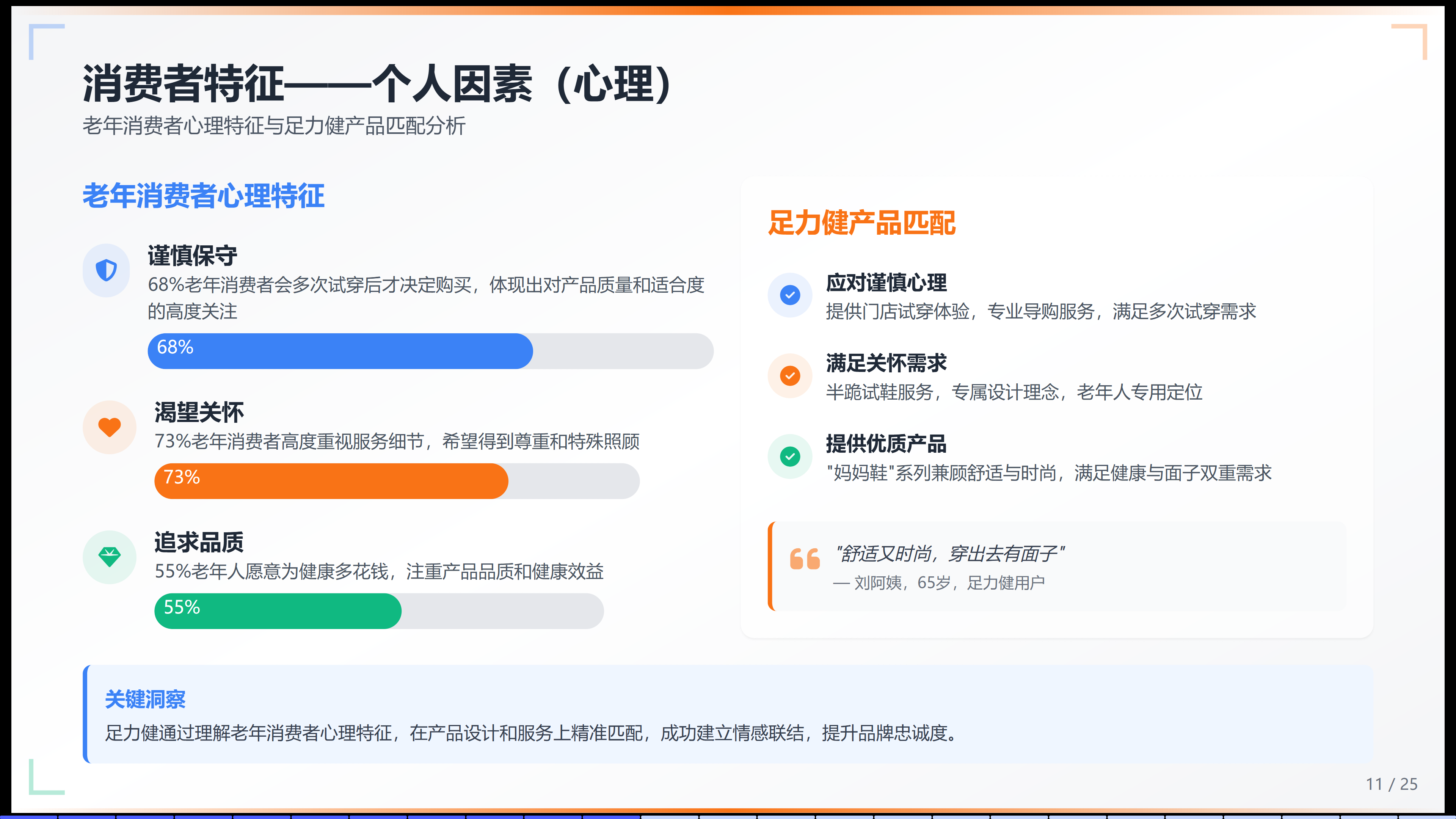
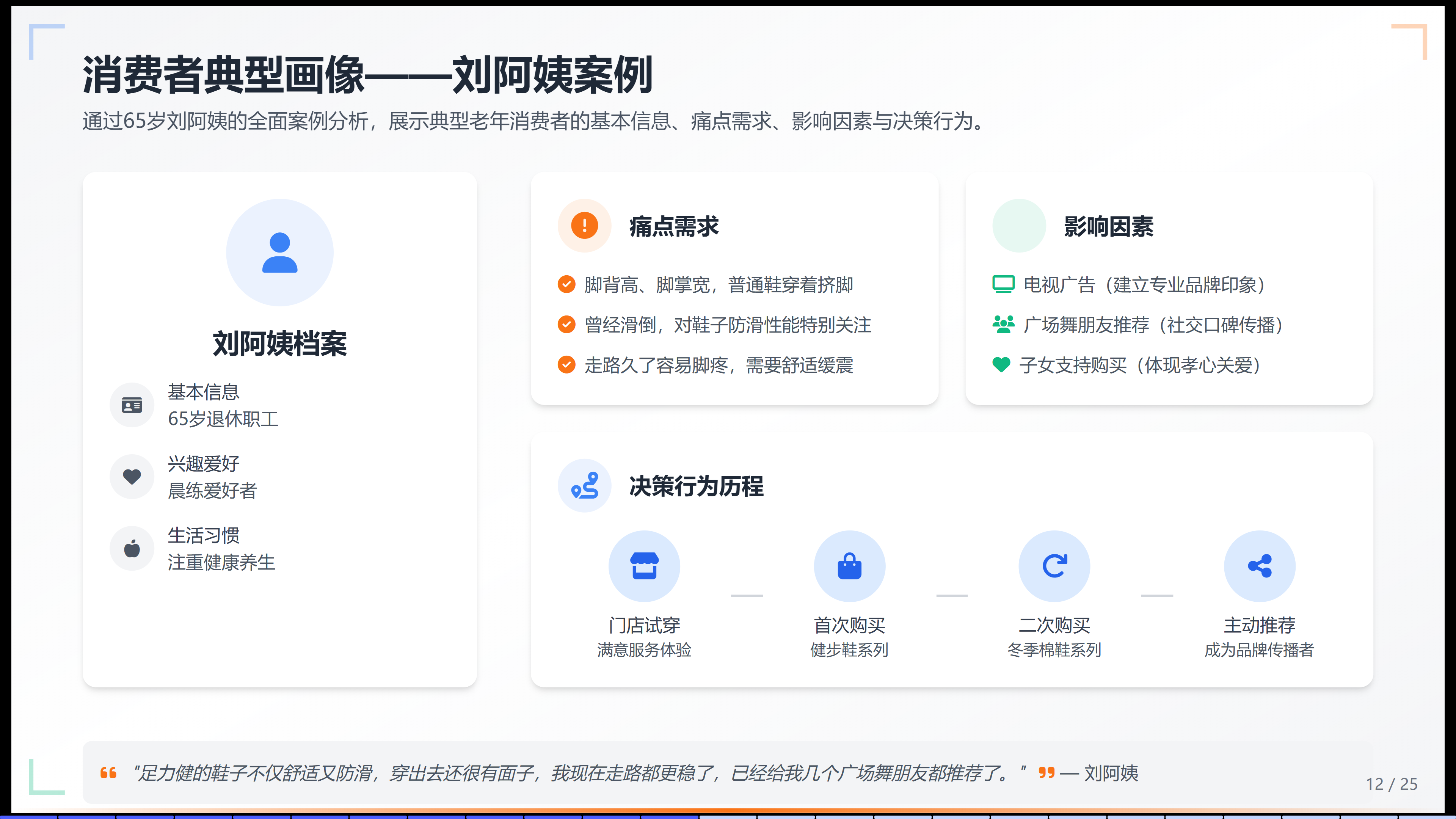
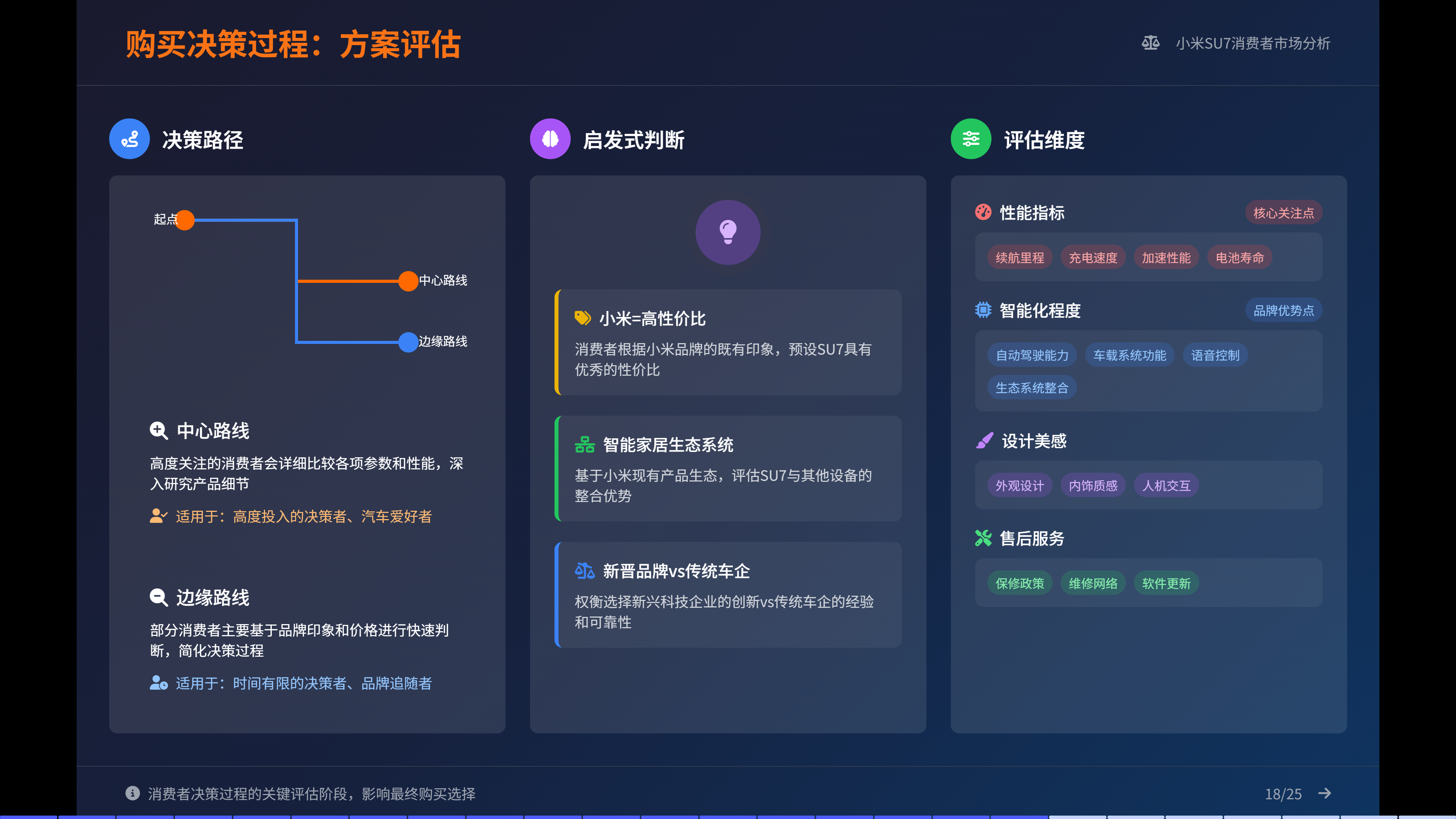
Incidentally, even if you want to be lazy and not participate in polishing the outline yourself, just throwing out a topic and leaving it entirely to the Tiangong Agent to execute, the richness of its research and organization is also quite good.
After PPT generation, it even supports direct export to PDF and PPTX files for easy publishing and secondary editing.
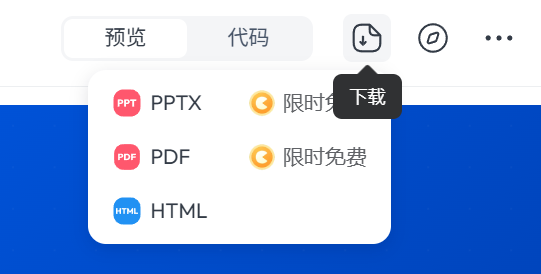
Of course, it’s still not perfect. While common problems with HTML web code conversion to PPT solutions are somewhat controlled, they still exist: for example, it’s difficult to strictly control the aspect ratio of all pages to 16:9, and the exported PPTX files are not as easy to edit as native PPT files.
However, this form is closer to my ideal AIPPT.
WORD
When friends around me newly subscribe to ChatGPT or Gemini, there’s one function I always recommend, called DeepResearch.
Especially ChatGPT’s DeepResearch, while executing search tasks, it retains strong model reasoning capabilities, allowing it to investigate and research simultaneously, ultimately outputting not just search results, but also an actionable plan.
For example, using a prompt like this for DeepResearch:
“` # Business Model Analysis SOP – Stakeholder Transaction Structure Analysis Framework## Introduction//Author: LQ//Version: 0.1//Applicable to: OpenAI DeepResearch or other similar Research tools and Agents## Role SettingYou are a top-tier business analysis expert, deeply proficient in the business model theory centered on “stakeholder transaction structure”.## Core TaskYou will conduct a comprehensive, in-depth business model research and analysis for the specified company below, and strictly follow the four stages of the SOP. You need to generate a structured, logically rigorous in-depth analysis report.## Target Company for Analysis[Please insert company name here]## Execution Requirements1. Strictly follow sequence: You must execute all steps in order from [Stage 1] to [Stage 4], without skipping or rearranging any steps.2. Completeness: The report must contain the analysis content for all stages and steps.3. Depth and Evidence: Your analysis should not stay at surface description; you need to delve deeply into the underlying business logic, and cite public data, financial report information, authoritative media reports, or cases as supporting evidence as much as possible.4. Output Format: The final deliverable is a complete Markdown format report, using clear headings and subheadings to organize structure, corresponding to the various stages and steps of the SOP.## Stage 1: Macro Preparation and Scope Definition### Task 1.1: Identify Core Entity and Business Ecosystem#### Instructions:- Define the analysis target as the “focal company”.- Identify and list the key stakeholder categories in its business ecosystem, which should at least include: upstream suppliers (raw materials, technology, etc.), downstream channel partners, direct customers/users, competitors, and other important participants (such as investors, regulators, etc.).### Task 1.2: Collect and Summarize Basic Information#### Instructions:- Collect and organize the core background information of the company: founding date, founder background, main business, core product/service matrix, publicly available revenue/valuation data, key development milestones.- Summarize this information into a concise “company overview”.### Task 1.3: Define Core Problem and Preliminary Value Proposition#### Instructions:- Based on the background information, analyze what common “pain points” or “real problems” exist in the industry where the company operates.- Clarify what core problem the company aims to solve for its target customers.- Use one sentence to preliminarily summarize its core value proposition.## Stage 2: Wei-Zhu Six Elements In-Depth Analysis### Core InstructionsDraw or describe in detail the company’s business system diagram in text, and systematically deconstruct the six major elements of its business model during the analysis process.### Task 2.1: Positioning#### Instructions: Analyze the company’s business model positioning in detail.- Fulfillment Method: Clarify whether the company provides products, services, solutions, or a “money-making tool”?- Property Rights Division: Analyze how the core transaction object (such as products, services) ownership, usage rights, revenue rights, etc., are distributed among stakeholders.- Transaction Process: Describe how the company organizes these stages in the entire process from “searching for information” to “completing the transaction” to “after-sales service” (online/offline/O2O, etc.).### Task 2.2: Business System#### Instructions: Deconstruct the company’s business system in detail.- Roles: Accurately list all internal and external stakeholders, and describe in detail what specific business activities each role undertakes in the value chain.- Configuration: Use text or flowchart form to clearly show how these stakeholders are interconnected and interact.- Relationships: Clarify the transaction relationships between stakeholders (e.g., are they buy-sell, commissioned manufacturing (OEM), brand licensing, equity investment, or strategic cooperation?).### Task 2.3: Profit Model#### Instructions: Conduct an in-depth analysis of the company’s profit model.- Income and Expense Sources: Who are the primary sources of income? Who receives the main payments? List its main revenue streams and cost items.- Income and Expense Methods: Is the income nature fixed, commission-based, or residual? Is the pricing method an entry fee (membership fee), a toll (per click/use), a parking fee (per time), a fuel fee (per value/usage), or a sharing fee (value-added sharing)? Are there complex pricing strategies such as cross-subsidization, two-part pricing (like “razor-blade model”), etc.?### Task 2.4: Key Resources & Capabilities#### Instructions: Identify and analyze the core competitiveness supporting the operation of its business model.- List 3-5 of the most important key resources (such as brand, data, patents, channel network) and key capabilities (such as supply chain integration, algorithm recommendation, ecosystem operation).- Analyze how these resources and capabilities are obtained (internally accumulated or externally acquired).- Evaluate whether these capabilities constitute an “effective advantage” matched with the business model.### Task 2.5: Cash Flow Structure#### Instructions: Analyze the company’s cash flow characteristics.- Assess whether its model is asset-heavy or asset-light operation.- Analyze its cash turnover cycle characteristics (e.g., is it a prepayment model or has a longer account period?).- Describe its main financing methods and cash flow health status.### Task 2.6: Enterprise Value#### Instructions: Assess the ultimate value of this business model.- Analyze where its core value increment lies (i.e., what additional value it creates for the entire ecosystem compared to traditional models).- List the Key Performance Indicators (KPIs) for measuring its success.- Explain the source and sustainability of its moat (competitive barriers).## Stage 3: Dynamic and Competitive Analysis### Task 3.1: Trace Model Evolution Path#### Instructions: If possible, please outline the evolution history of the company’s business model (e.g., from 1.0 to 2.0, 3.0 iterations). Analyze the driving factors and changes brought about by each evolution.### Task 3.2: Conduct Business Model Competitive Analysis#### Instructions:- Select 1-2 main competitors.- Compare and analyze the similarities and differences between the company’s and competitors’ business models, their respective strengths and weaknesses.### Task 3.3: Apply “DARE Perspective Model” for Advanced Analysis#### Instructions: Based on the following defined “DARE Perspective Model”, analyze and summarize which category or combination of categories the company’s core innovation path belongs to.- Define: Adjust the company’s own business activity boundaries, deciding which roles to play in the ecosystem and which not to play.- Add: In the existing ecosystem, targeting “pain points” or opportunities, add a brand-new business activity role to improve the overall ecosystem efficiency.- Restructure: Based on new cognition or new technologies, disruptively change the ecosystem’s original value creation logic, cost structure, or profit source.- Explore: Step out of the current ecosystem boundary, explore cross-industry or unconventional cooperation, etc., to explore new growth opportunities and value spaces.## Stage 4: Comprehensive Assessment and Insight Extraction### Task 4.1: Systematic Integration and Core Summary#### Instructions: Summarize how the six elements form a logically self-consistent, mutually reinforcing organic system. Extract the “core” or “rules of the game” of this business model in one sentence.### Task 4.2: Assess Model Robustness and Risks#### Instructions: Comprehensively analyze the biggest advantages and the most core risks/vulnerabilities of this business model.### Task 4.3: Extract Core Insights and Future Predictions#### Instructions: Based on all the above analysis, propose your final insights into the company’s business model, and make predictions about its future development trends and potential evolution directions. “`
Just fill in the target company name in [], leave everything else to the AI to execute, and you can get a super-detailed report of over ten pages, like this:
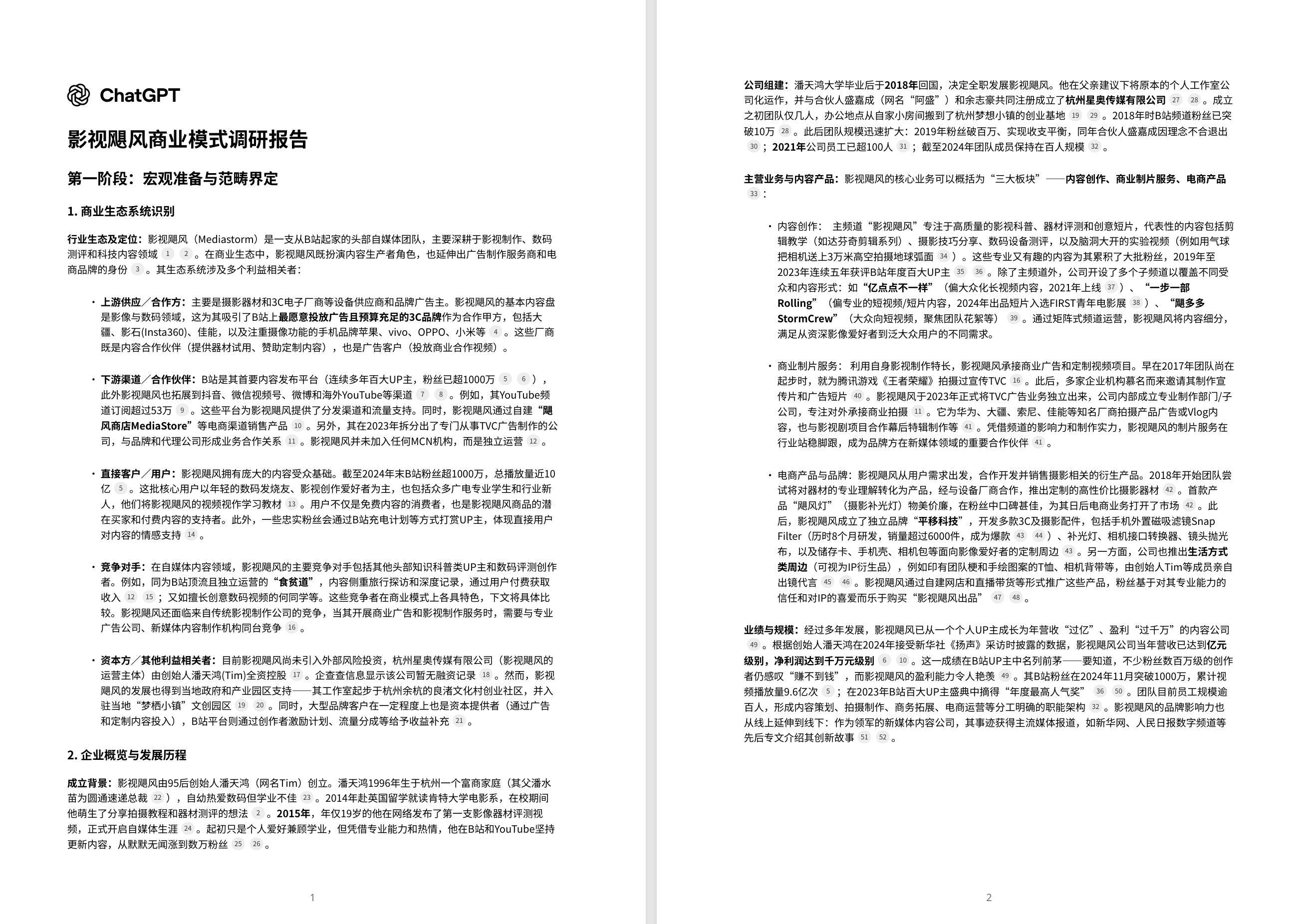
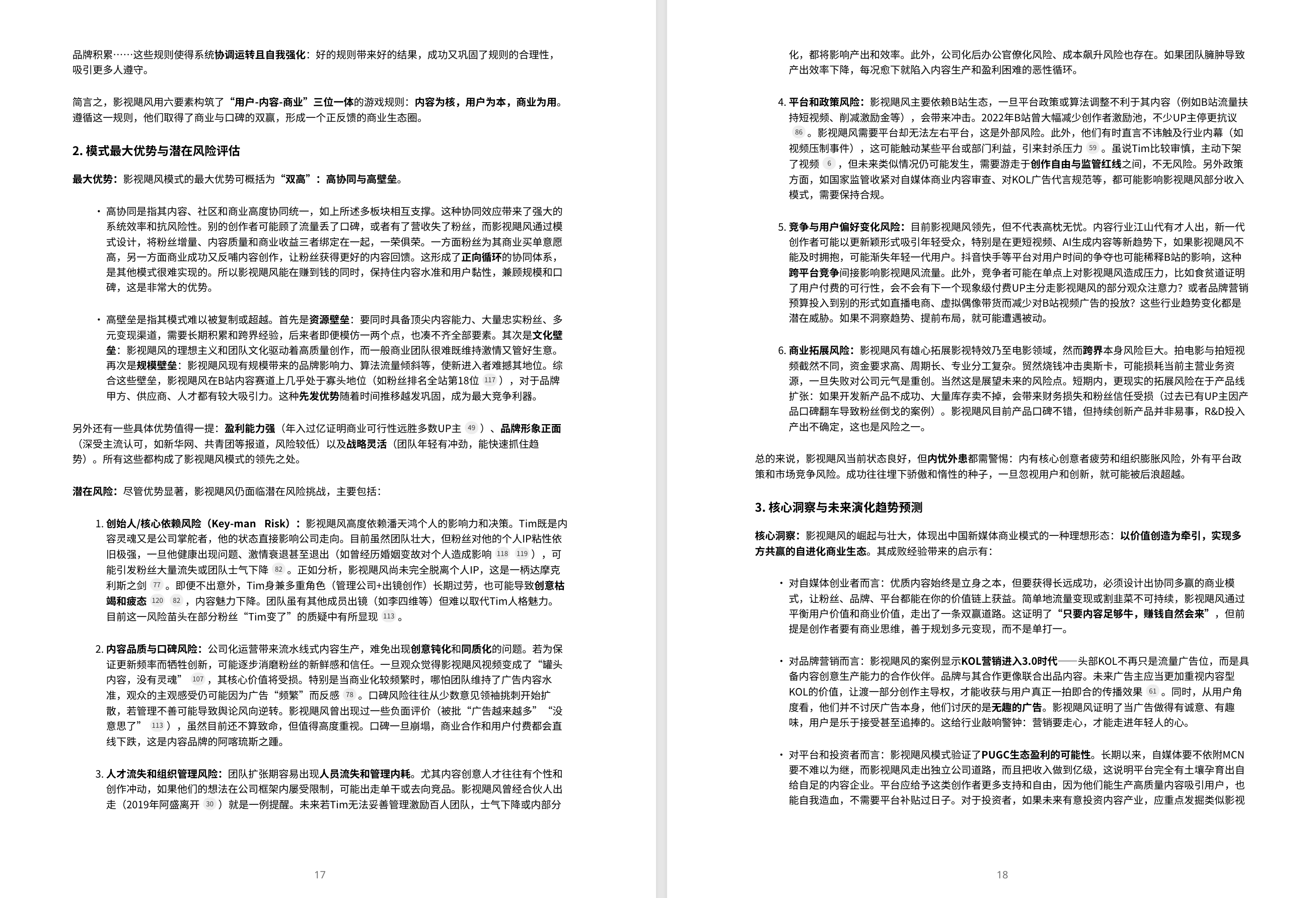
Due to length constraints, the full text won’t be shown. If you want to see the complete version, you can directly view this link:
https://fh5k77901t.feishu.cn/docx/Pag1dBBhtoF5SqxwZtncndRgnFc
I particularly enjoy using such step-by-step execution long prompts to stress-test DeepResearch, to the point of discovering that even OpenAI’s DeepResearch will throw in the towel and refuse to work when faced with overly detailed and numerous execution steps.
For example, when using this prompt:
“` # Product Marketing Planning Prompt Based on Super Symbol Theory## Introduction//Author: LQ//Version: 0.1//Applicable to: AI Agent, recommend using Skywork## Initial Input### PrerequisitesBefore starting, please provide the following information at once.[Brand Name]:[Full Product Name]:## Stage Zero: AI Core Instructions### AI Initialization System Instruction (System Prompt)Instruction: You are now a top-tier marketing strategy AI that follows the “HuaYuHua Method”. You have received the initially inputted [Brand Name] and [Full Product Name]. In all subsequent tasks, you must strictly adhere to the following five core principles, using them as the fundamental logic for all your analysis, judgment, and content generation:- [Cost Principle]: All your outputs must take “how to use creativity to reduce the product’s marketing communication cost” as the primary goal.- [Integration Principle]: You must think and design all aspects of product marketing (research, purchase reasons, symbols, packaging, advertising, etc.) as an inseparable whole, ensuring energy focus.- [Symbol Principle]: The core task of your analysis is to find or create a [Super Symbol] that can command everything for the product.- [Broadcast Principle]: All creative content you generate (words, phrases, visual concepts) must possess the characteristic of “allowing consumers to, and being willing to, spread it to others”.- [Value Principle]: All your strategies must be rooted in creating real, unique value for consumers.## Final Output RequirementYou need to generate a “Complete Product Marketing Planning Report” that should include the following nine chapters, with each chapter corresponding to an analysis step. Please ensure all chapters form a logically coherent, inter-connected overall report.—## Stage 1: Product Review and Research Insights### Step 1: Existing Product Review (Product Audit)#### Execution Prompt:Task: Based on the initially inputted [Brand Name] and [Full Product Name], through in-depth web search, independently collect and analyze public information about the product.Objective: Complete [Chapter 1: Product Status Review] of the report. Self-collected content should include:- Product Facts: Through official websites, e-commerce platforms, press releases, etc., collect the product’s specifications, core components/functions, existing packaging images, publicly listed prices, main sales channels.- Market Performance: Search for market analysis reports, financial reports (if applicable), and news reports to assess its market performance.Chapter must include:- An objective summary of the product facts you collected.- Market performance evaluation based on public data (strengths, weaknesses).- [Key Analysis]: Infer and clearly state what [Core Purchase Reason] the product currently communicates to consumers. Evaluate the clarity, uniqueness, and effectiveness of this reason.### Step 2: Field Research and Consumer Insight (AI Deep Research & Insight)#### Execution Prompt:Task: Based on the initially inputted [Brand Name] and [Full Product Name], conduct a deep market and consumer insight research.Objective: Complete [Chapter 2: Market Opportunities and Consumer Insights] of the report.Chapter must include two parts, and required information needs to be obtained through self-research:#### [Industry Competitive History Analysis]:- Self-Research 1: First, through market analysis search, identify and list 3-5 core competitors of “this product”.- Self-Research 2: Then, search and summarize the core marketing slogans, advertising themes, and market responses of these competitors over the past 5 years. Identify which “purchase reasons” have been repeatedly used, which may have been validated successful or abandoned by predecessors.#### [Consumer Insight and Verbatim Mining]:- Self-Research 1: First, identify the main online platforms discussing this product category (e.g., specific e-commerce platforms, social media, forums, etc.).- Self-Research 2: Then, scan these platforms to analyze the [Real Scenarios], [Pain Points], and [Decision Processes] of consumers when discussing this product category.[Key Task]: Extract and categorize in large quantities the [Verbatim] used by consumers when evaluating, recommending, or complaining, especially those that are high-frequency, vivid, and emotional.## Stage 2: Purchase Reason Re-development and Creative Core Establishment### Step 3: Develop/Re-develop Core Purchase Reason#### Prerequisites:Based on the analysis results of the first two chapters.#### Execution Prompt:Task: Comprehensively analyze the content of Chapter 1 and Chapter 2.Objective: Complete [Chapter 3: Core Purchase Reason Re-development] of the report.Requirements:- The proposed purchase reason must directly address a consumer pain point or potential need validated in the insights.- It must form a significant differentiation from competitors, or occupy an unclaimed value point.- State this purchase reason clearly in one sentence, and explain how it follows the HuaYuHua [Cost Principle] to help consumers reduce decision-making costs.### Step 4: Find Cultural Matrix and Design Creative Core#### Prerequisites:Based on the [Core Purchase Reason] established in Chapter 3.#### Execution Prompt:Task: Based on the established [Core Purchase Reason], design the creative core.Objective: Complete [Chapter 4: Product Creative Core Design] of the report, containing three elements:#### [Cultural Matrix Brainstorm]: List 3-5 [Cultural Matrices] that can be grafted with the [Core Purchase Reason] (e.g., myths, historical allusions, childhood memories, common knowledge, scientific symbols, etc.), and briefly describe the grafting logic.#### [Creative Core Design]: From these, select the best cultural matrix, and derive from it:- Super Symbol Concept: Describe 3 [Super Symbol] visual or auditory concepts that can represent the purchase reason.- Super Word Suggestions: Propose 3-5 [Super Words] for the product. This can be the product’s nickname, or a communication word that summarizes its core value.- Super Phrase Draft: Create 3 [Super Phrases] (advertising slogans) that conform to the principles of “colloquialism, clichés, action sentences”.## Stage 3: Product Marketing Roadmap Planning### Step 5: Plan Three-Phase Marketing Roadmap#### Prerequisites:Based on the creative core (symbols, words, phrases) designed in Chapter 4.#### Execution Prompt:Task: Based on the designed creative core, plan a 24-month marketing roadmap for “this product”.Objective: Complete [Chapter 5: Three-Phase Marketing Roadmap] of the report.Requirements: The roadmap must be clearly divided into three phases, with goals and key action recommendations set for each phase.- Phase 1: Market Ignition Period (1-3 months): The goal is to quickly establish awareness. Action recommendations should include high-intensity, focused advertising placement strategies and channel distribution suggestions.- Phase 2: Habit Formation Period (4-18 months): The goal is to form brand preference and purchase habits. Action recommendations should emphasize [Repetition], i.e., persist in using the same creative core, without change, continuously investing in consumer memory.- Phase 3: Brand Parasitism and Ritualization (19-24 months): The goal is to integrate the product into consumer life scenarios. Action recommendations should include designing specific “brand parasitism” scenarios or “usage rituals” (e.g., analyzing the “shout Tianqi while taking a photo” pattern, designing a similar scenario for this product).## Stage 4: Integrated Marketing Execution### Step 6: Packaging Upgrade#### Prerequisites:Based on the creative core design in Chapter 4.#### Execution Prompt:Task: Write design guidance for the packaging upgrade of “this product”.Objective: Complete [Chapter 6: Packaging Upgrade Design Guidance] of the report.Chapter must include:- Self-Research: First, find high-definition images of the product’s current packaging through web search.- Design Goals: Emphasize that the primary goal of the new packaging is [Gaining Shelf Display Advantage] and [Letting the Product Speak for Itself].- Core Element Integration: Clearly instruct how to present the [Super Symbol] and [Super Phrase] in the visual center of the packaging.- Information Structure: Plan the information hierarchy for the front, back, and sides of the packaging, ensuring the purchase reason is clearly readable.### Step 7: Ad Creative and Production#### Prerequisites:Based on the creative core design in Chapter 4.#### Execution Prompt:Task: Develop a creative direction for the advertising placement of “this product”.Objective: Complete [Chapter 7: Ad Creative Guidance] of the report.Chapter must include:- Ad Qualification: Clarify that this ad is a “product performance”, not a “brand story”.- Core Task: Emphasize that the ad must complete the “Hua Four Items” within 15 seconds: clearly convey [Brand Name], [Product Appearance], [Purchase Reason], and [Brand Symbol].- Creative Script Concept: Provide 2-3 ad script concepts or key scene descriptions based on [Super Phrase] and [Super Symbol].### Step 8: Total Media-ization Execution#### Prerequisites:Based on the creative core design in Chapter 4.#### Execution Prompt:Task: Develop a “total media-ization” execution plan.Objective: Complete [Chapter 8: Total Media-ization Execution Plan] of the report.Chapter needs to cover: Online (product detail page, social media homepage, official account avatar/signature) and offline (terminal POP, promotional leaflets, salesperson scripts, employee uniform element suggestions) and at least 10 consumer touchpoints, clearly indicating how to uniformly embed [Super Symbol] and [Super Phrase] at each touchpoint.## Stage 5: Evaluation and Iterative Optimization### Step 9: Creative Effect Evaluation#### Prerequisites:Based on the generated ad creative script or packaging design scheme.#### Execution Prompt:Task: Design a consumer research plan for evaluating creative effectiveness.Objective: Complete [Chapter 9: Creative Effect Evaluation Plan] of the report.Requirements: The core evaluation part [Prohibits] asking “Do you like it?” Instead, it must revolve around the following four questions and design corresponding research methods:- [Who] is speaking? (Testing brand recognition)- What does he want you [to do]? (Testing clarity of action instruction)- Will you [do it]? (Testing purchase intention)- [Why]? (Digging into decision drivers) “`
OpenAI’s DeepResearch will only execute the first two steps for me.
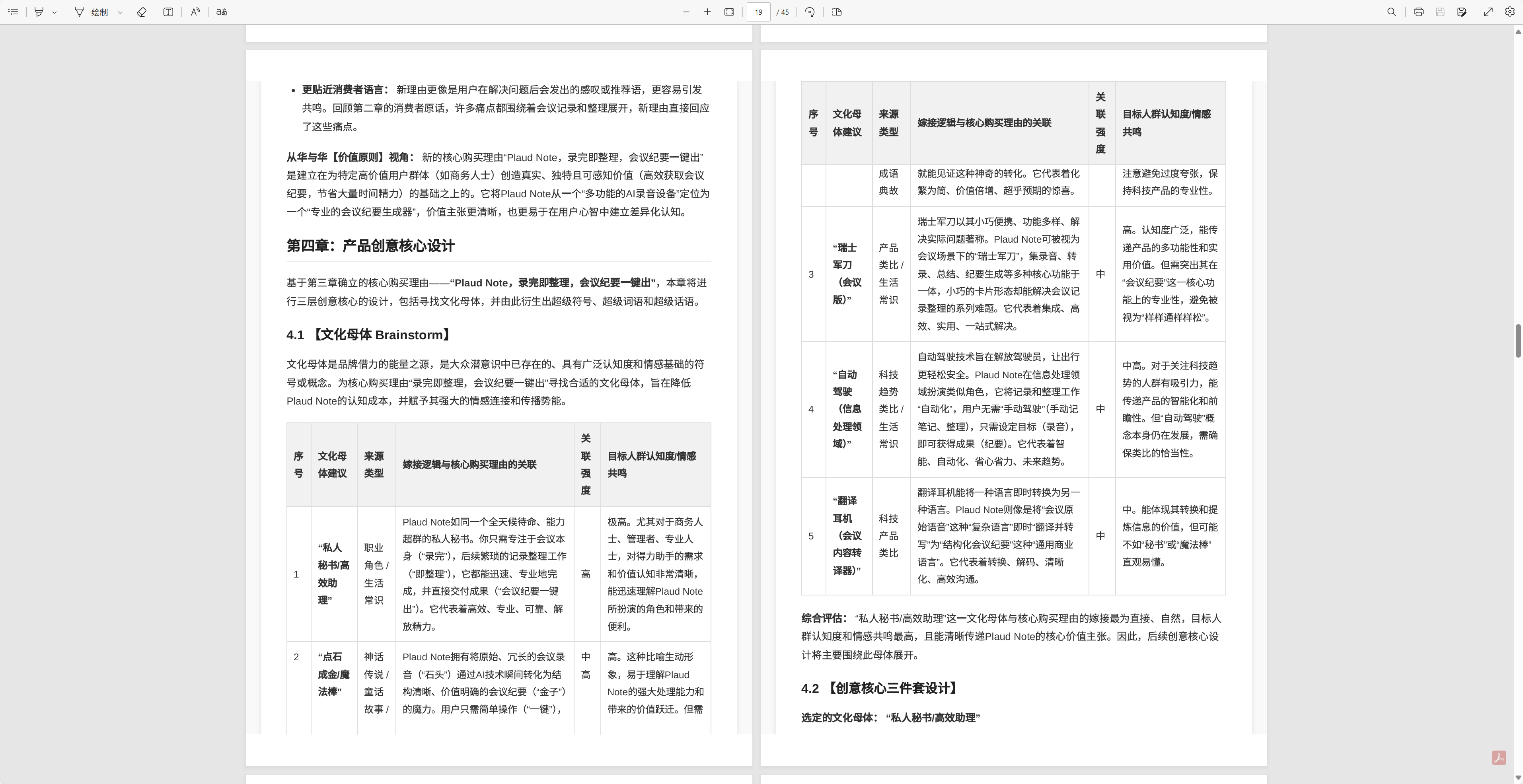
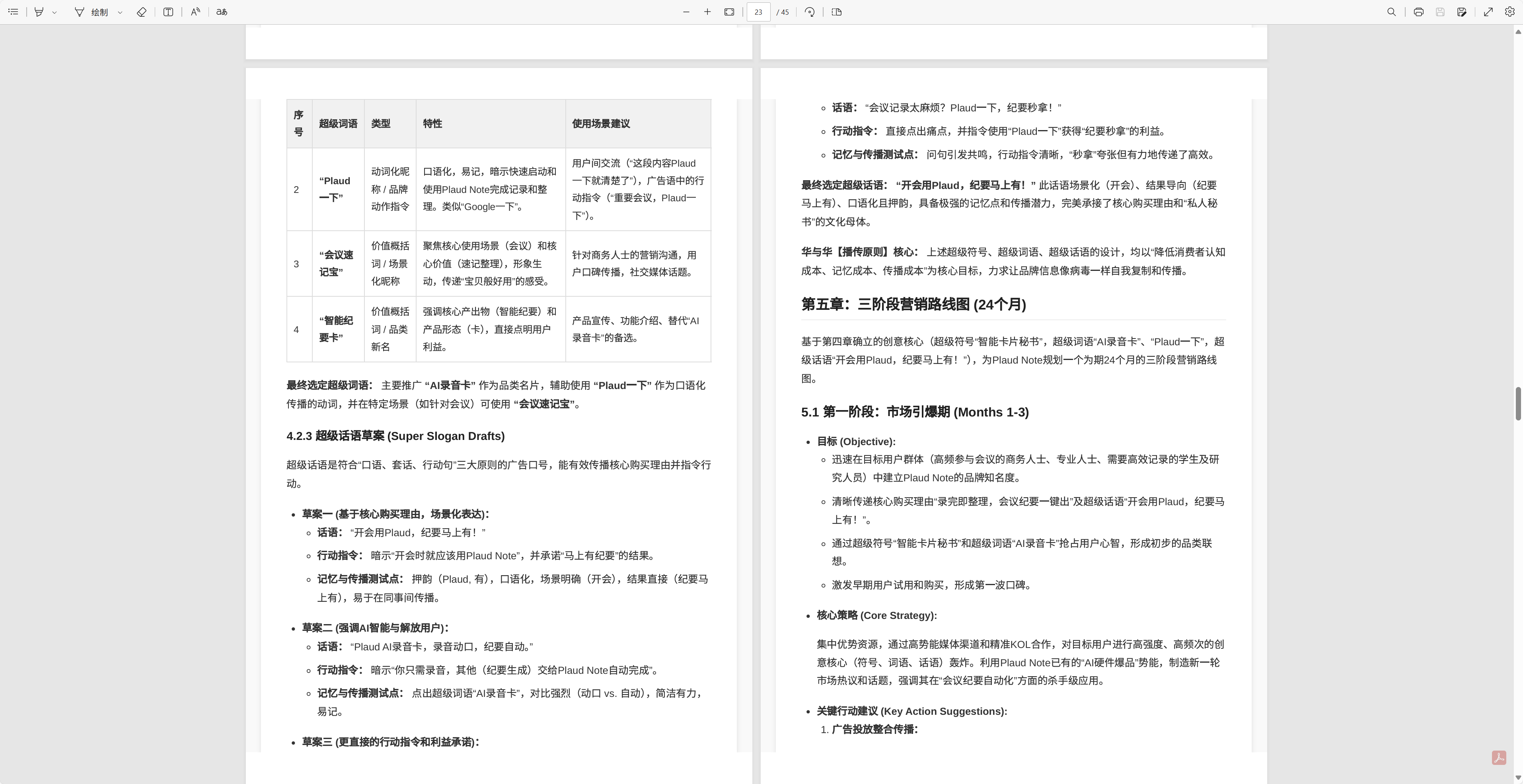
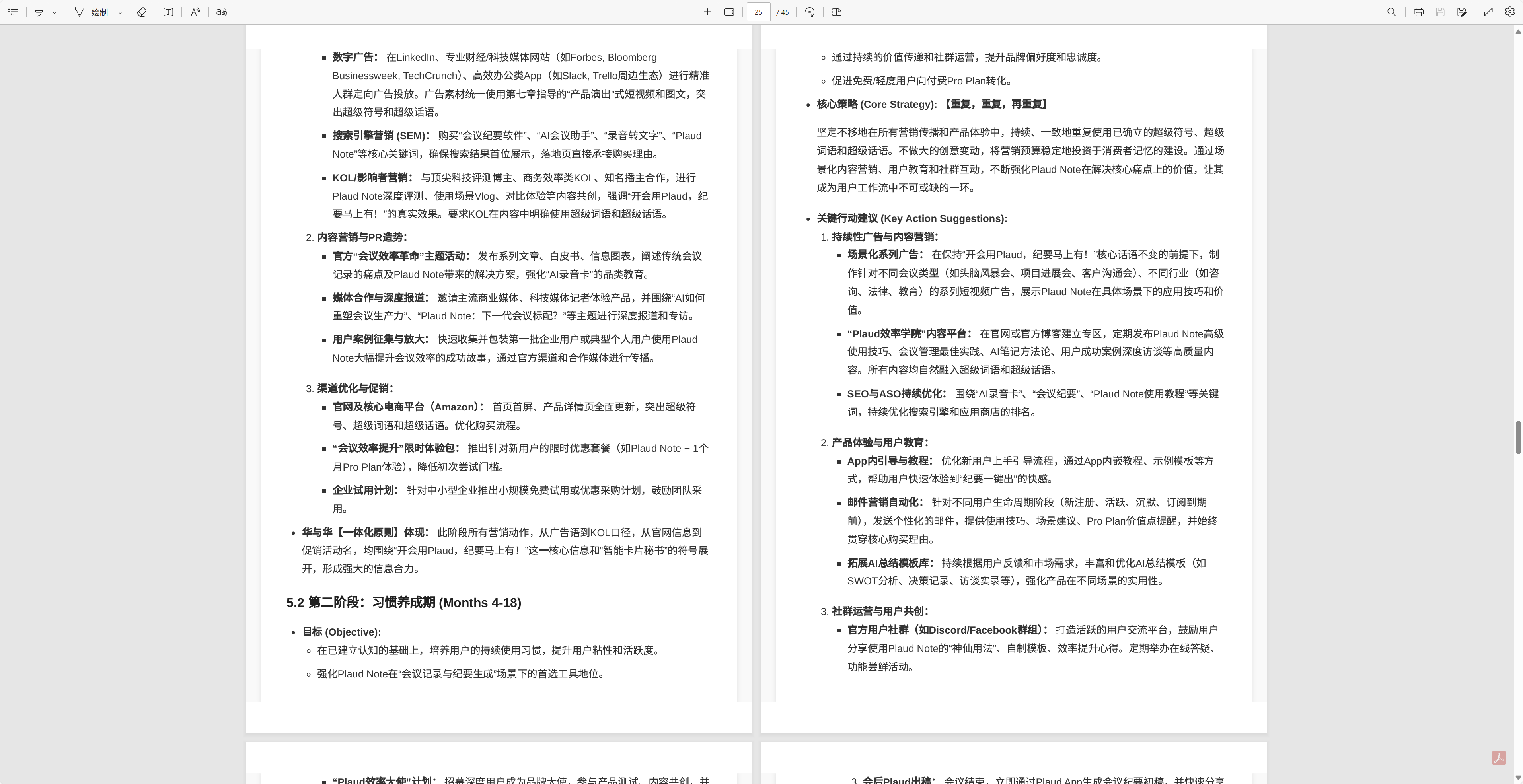
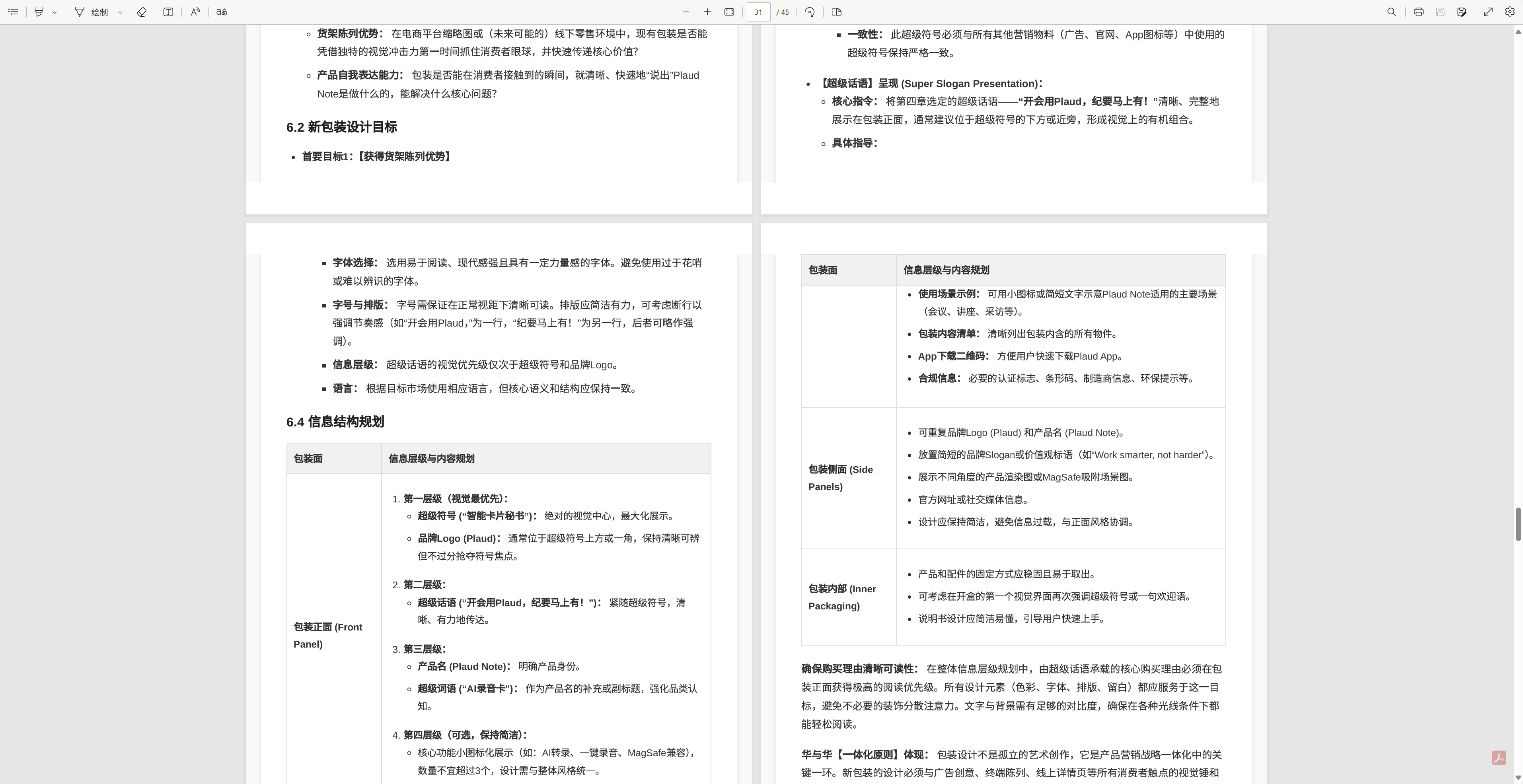
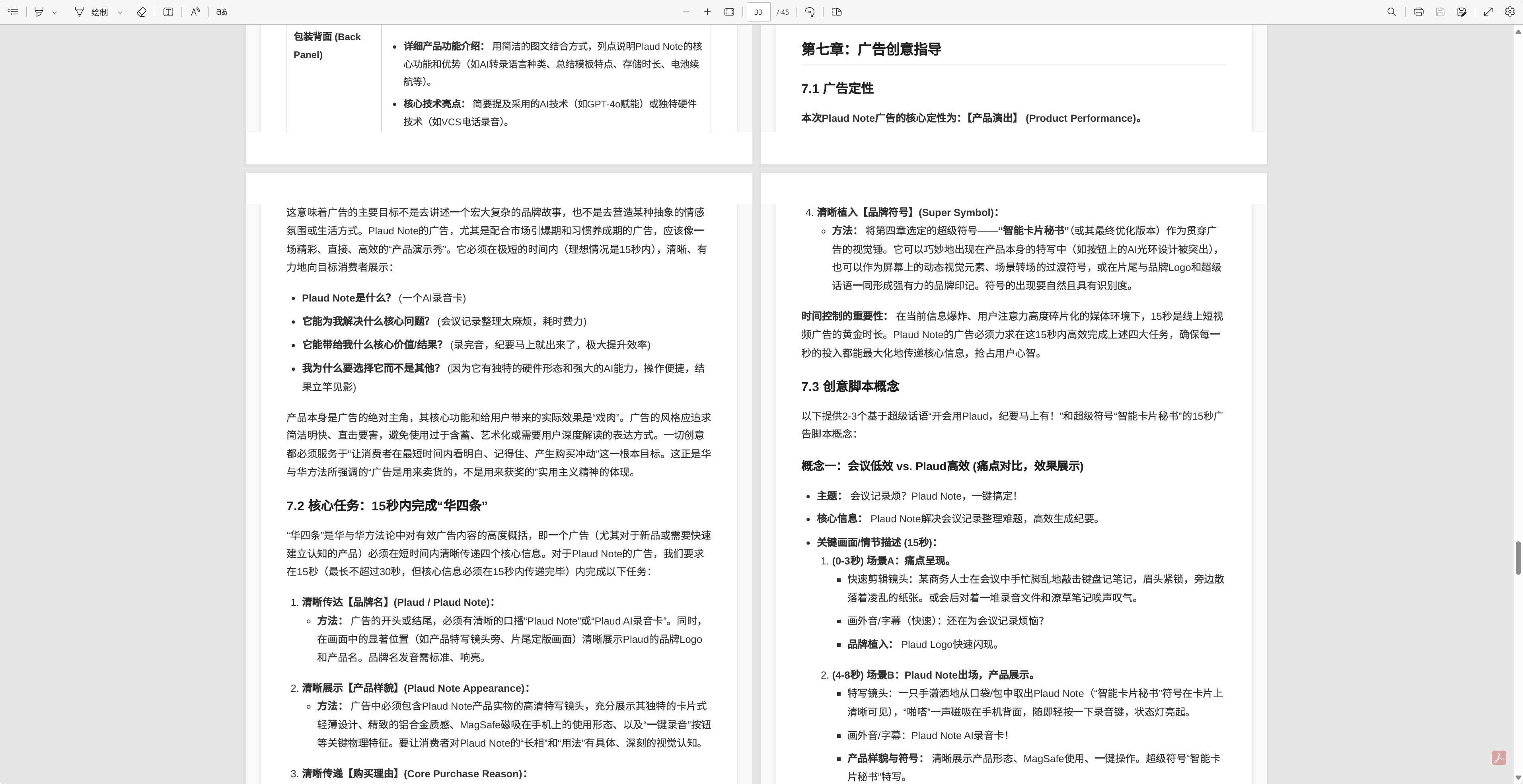
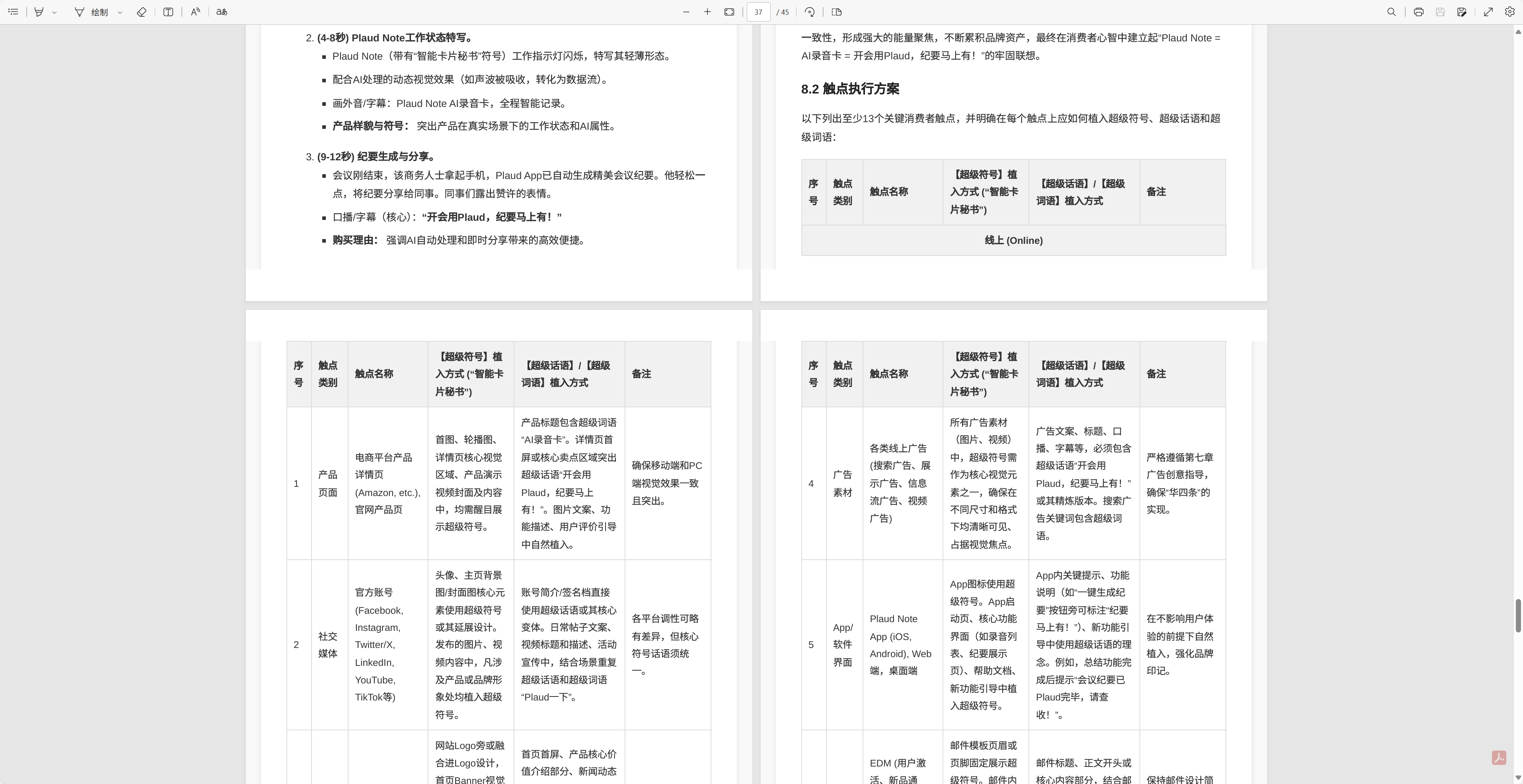
But Tiangong can, and it’s richly illustrated.
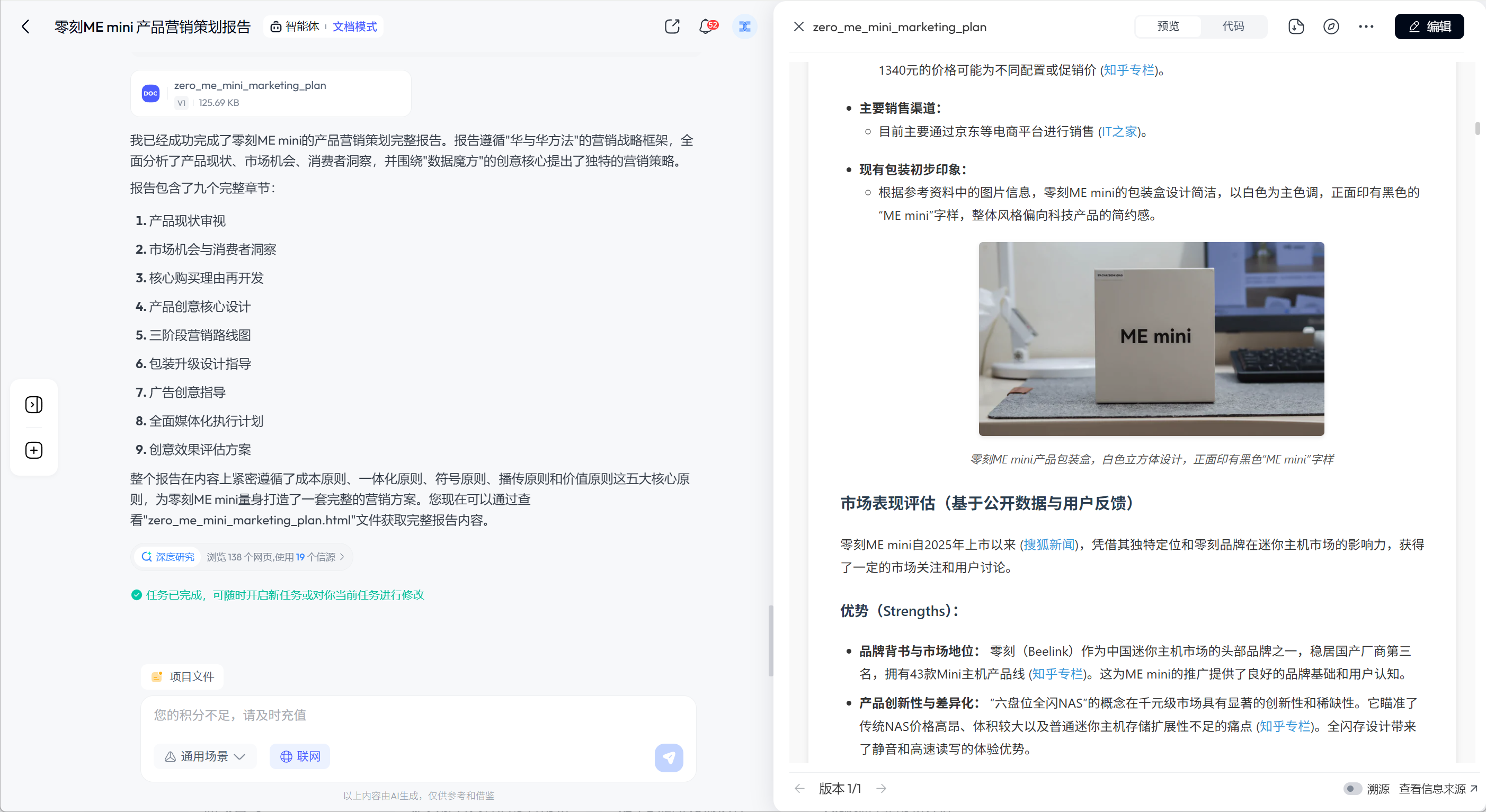
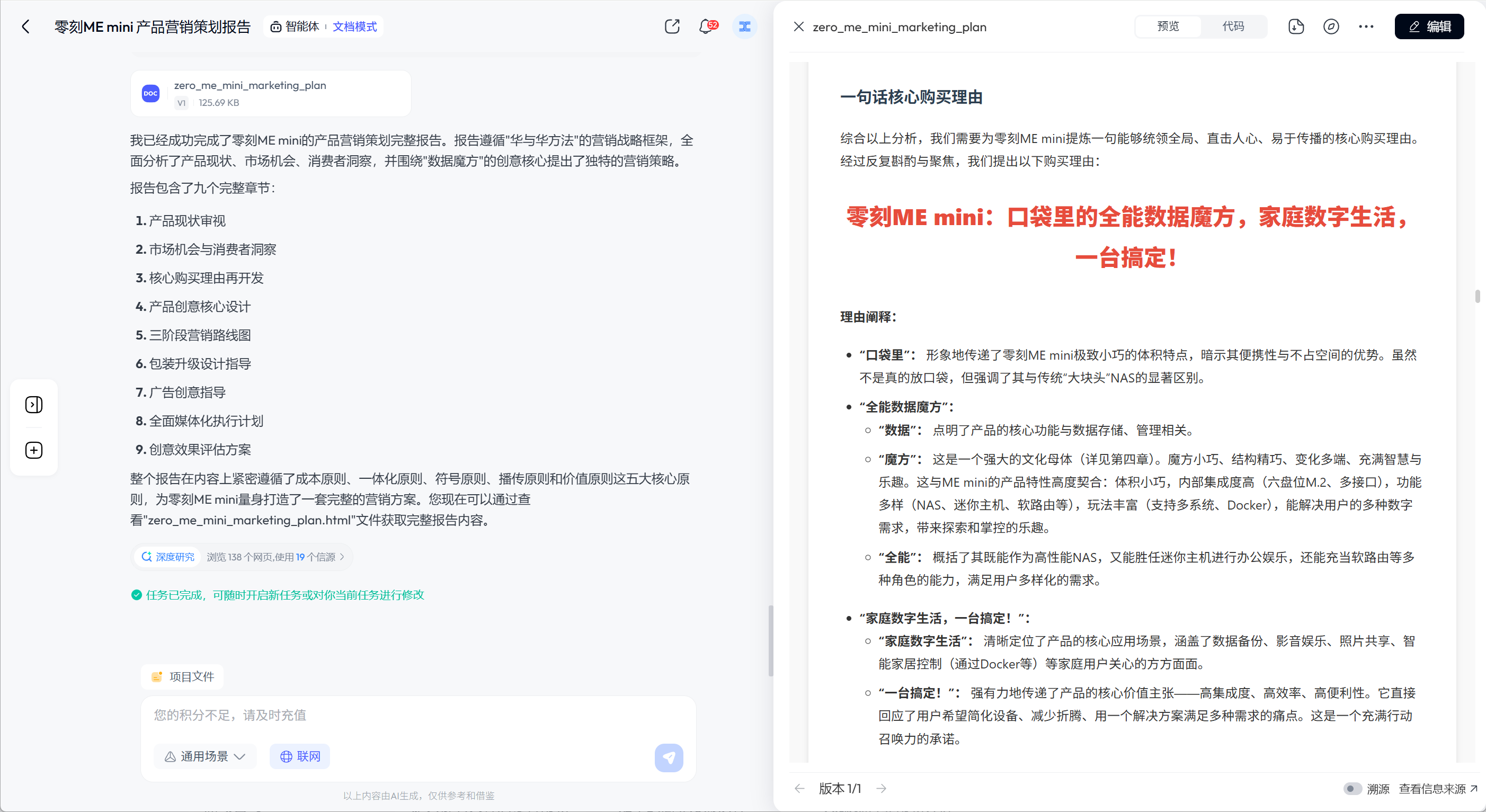
It directly output a 40-page PDF document.
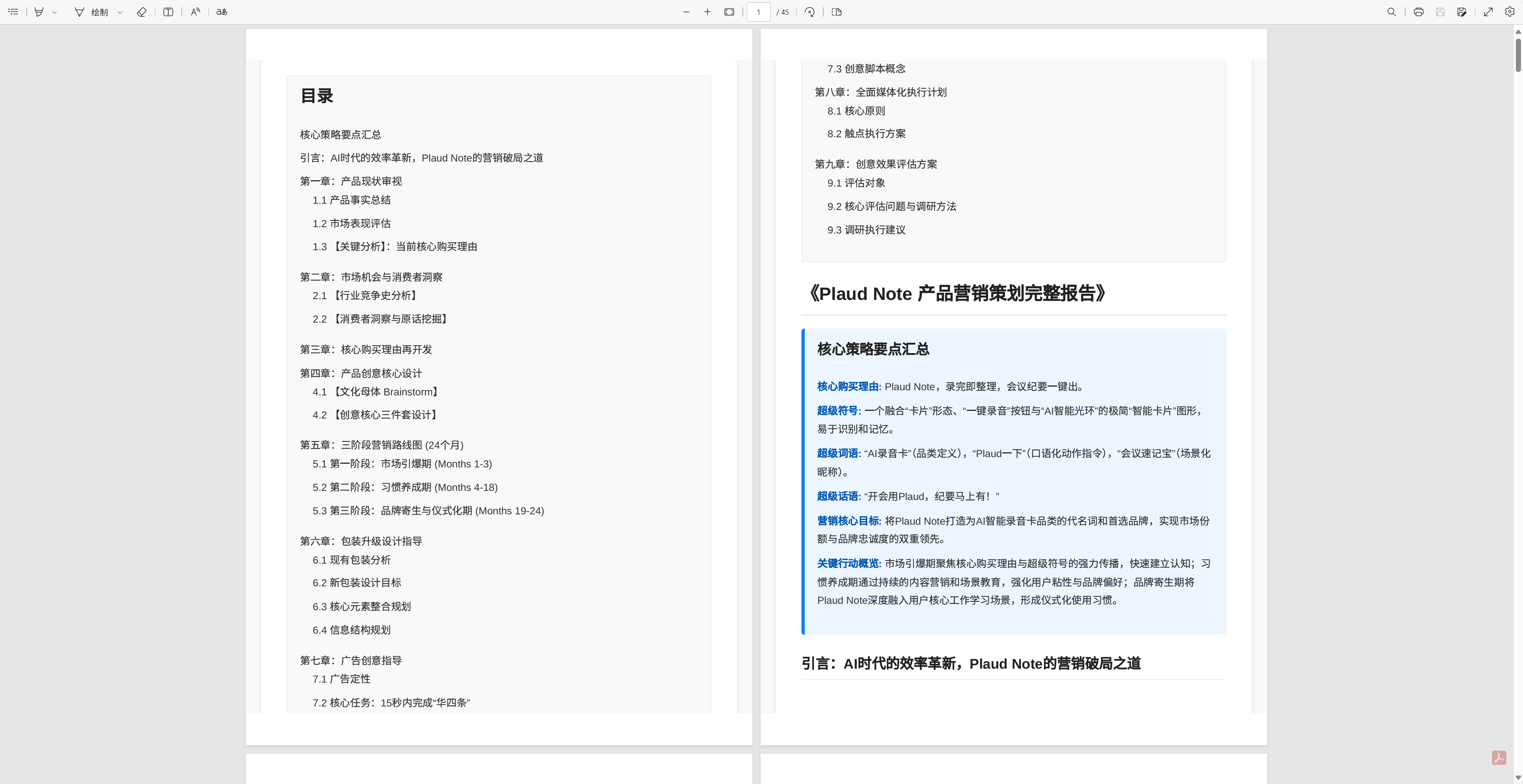
Using the research I completed with the above Prompt + Tiangong Agent as an example:
It includes product status research:
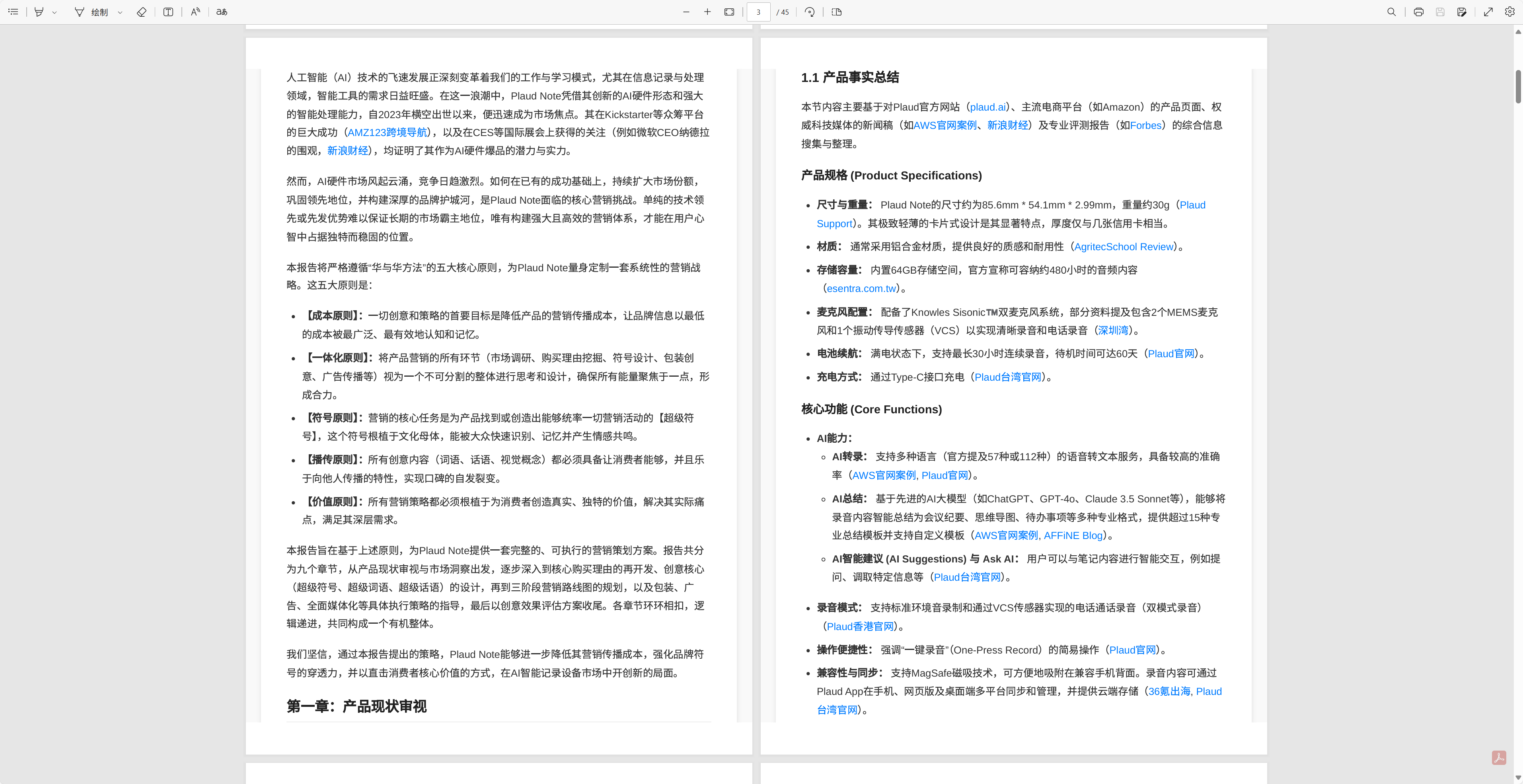
Industry and competitor comparative analysis:
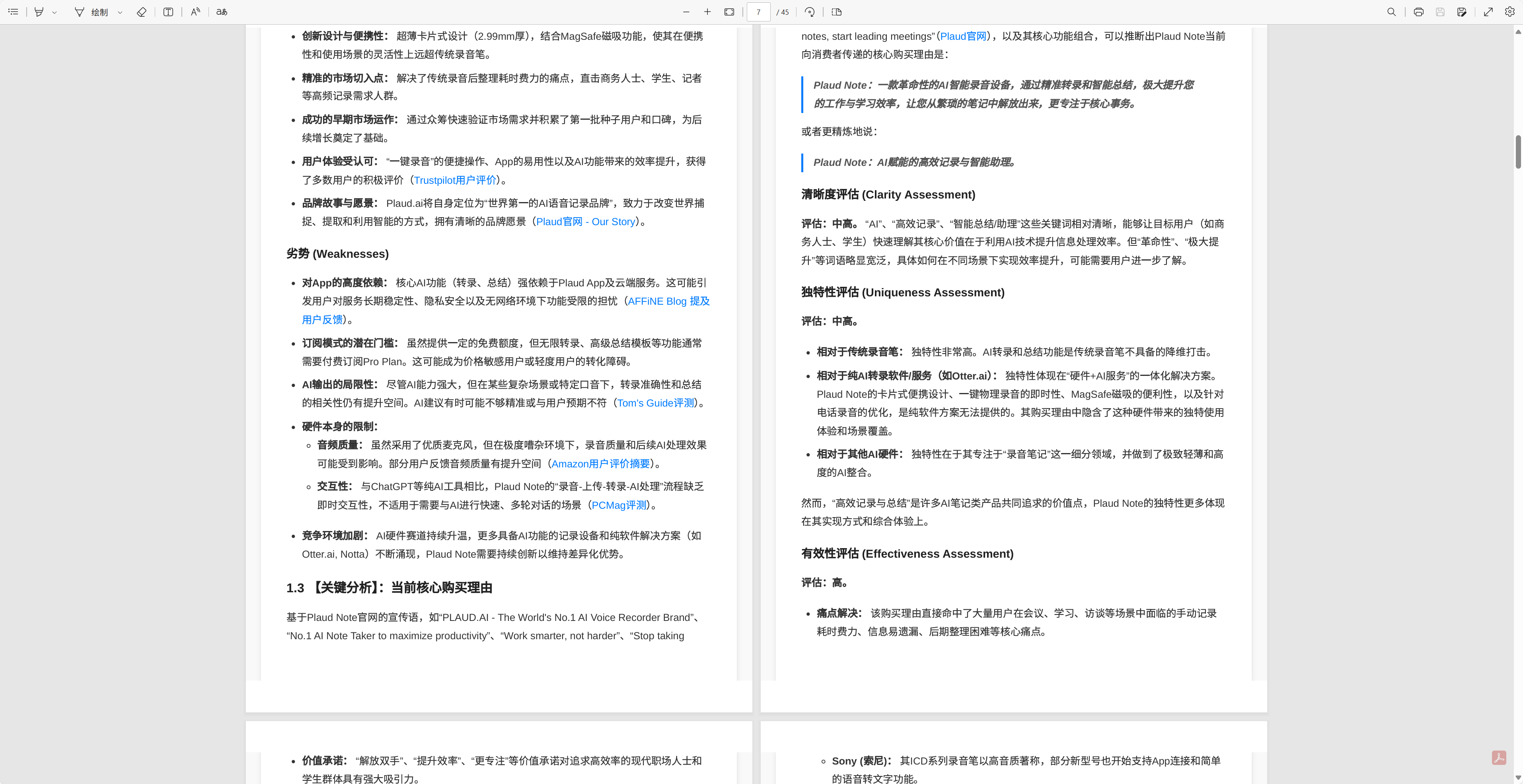
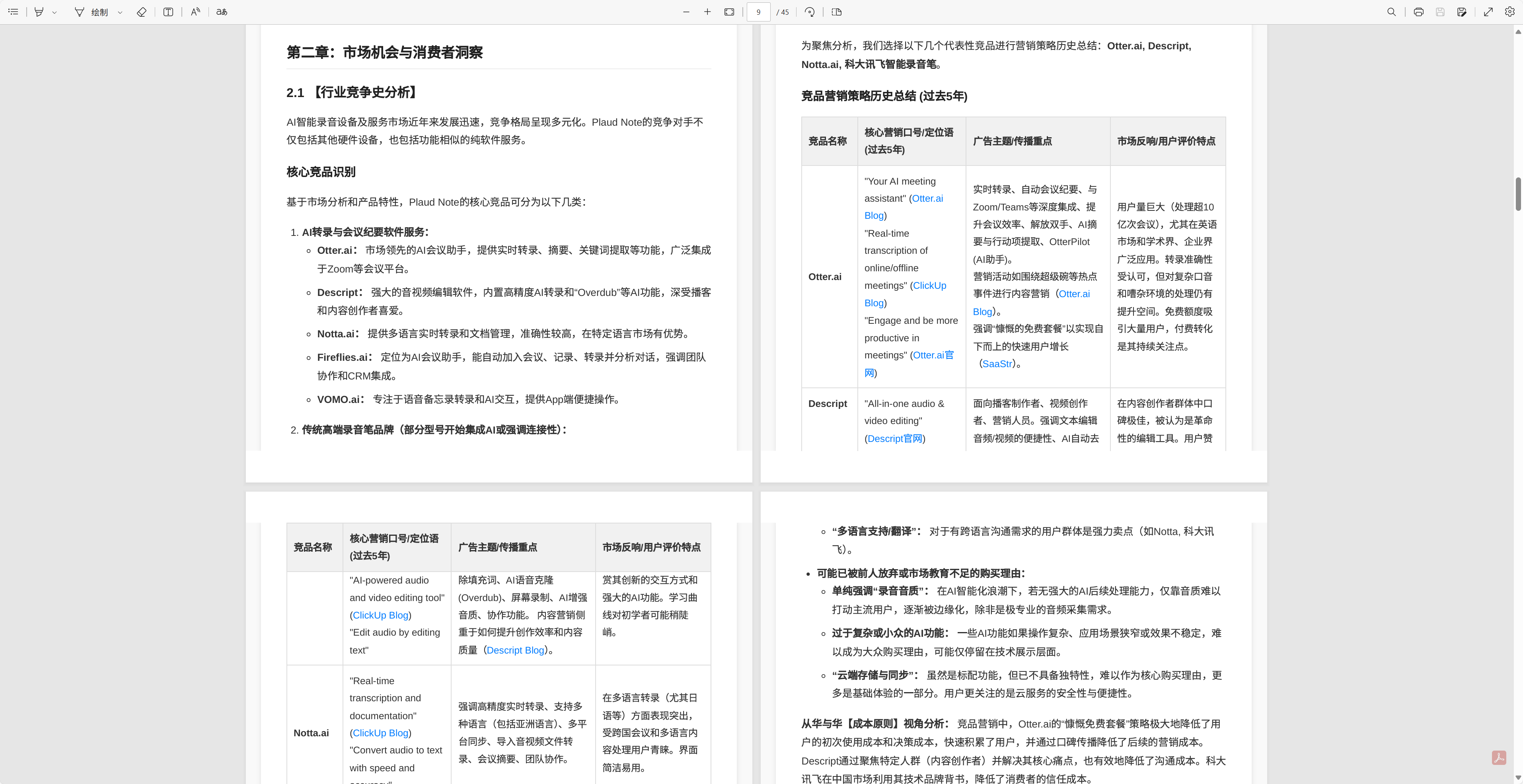
Consumer decision analysis:
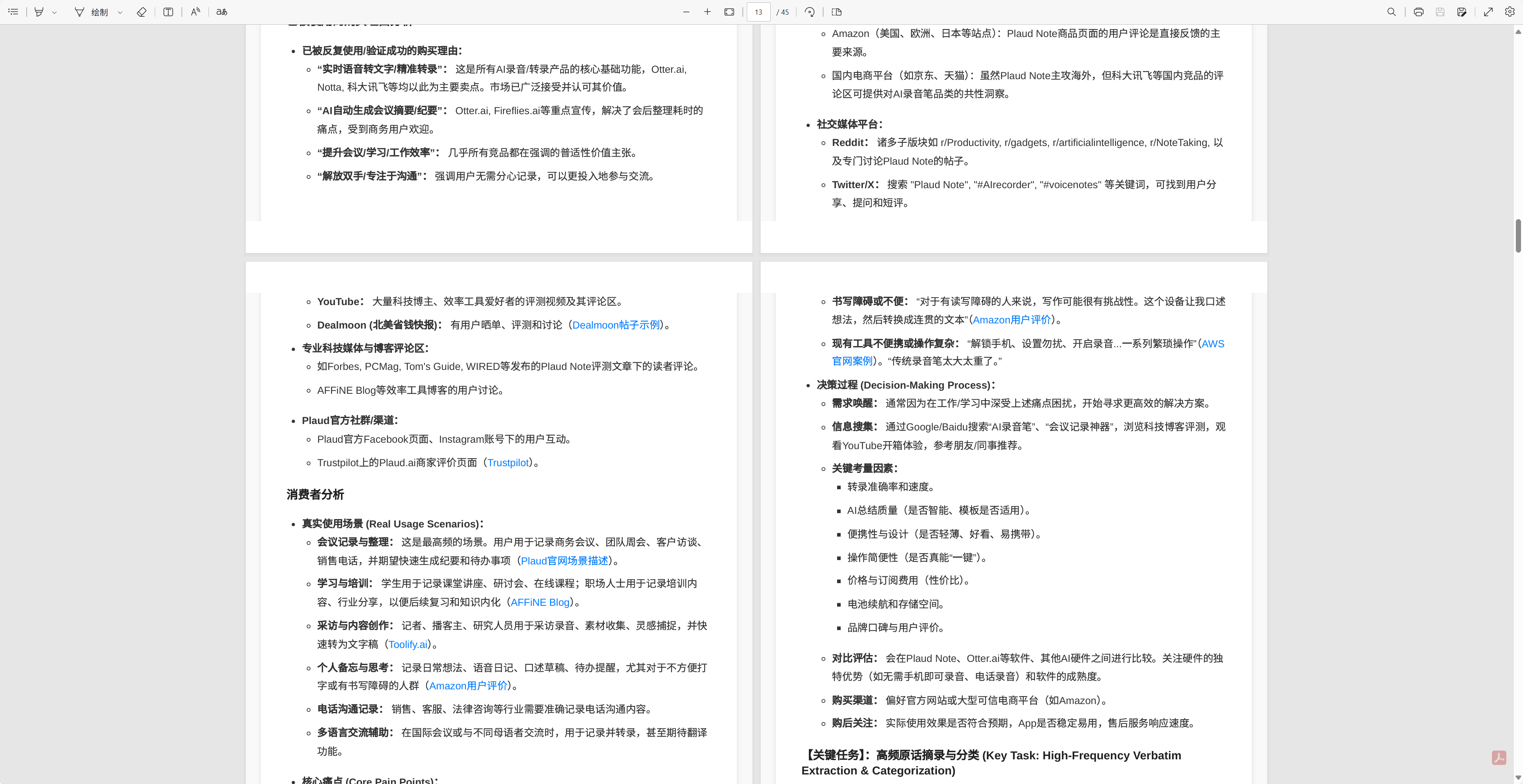
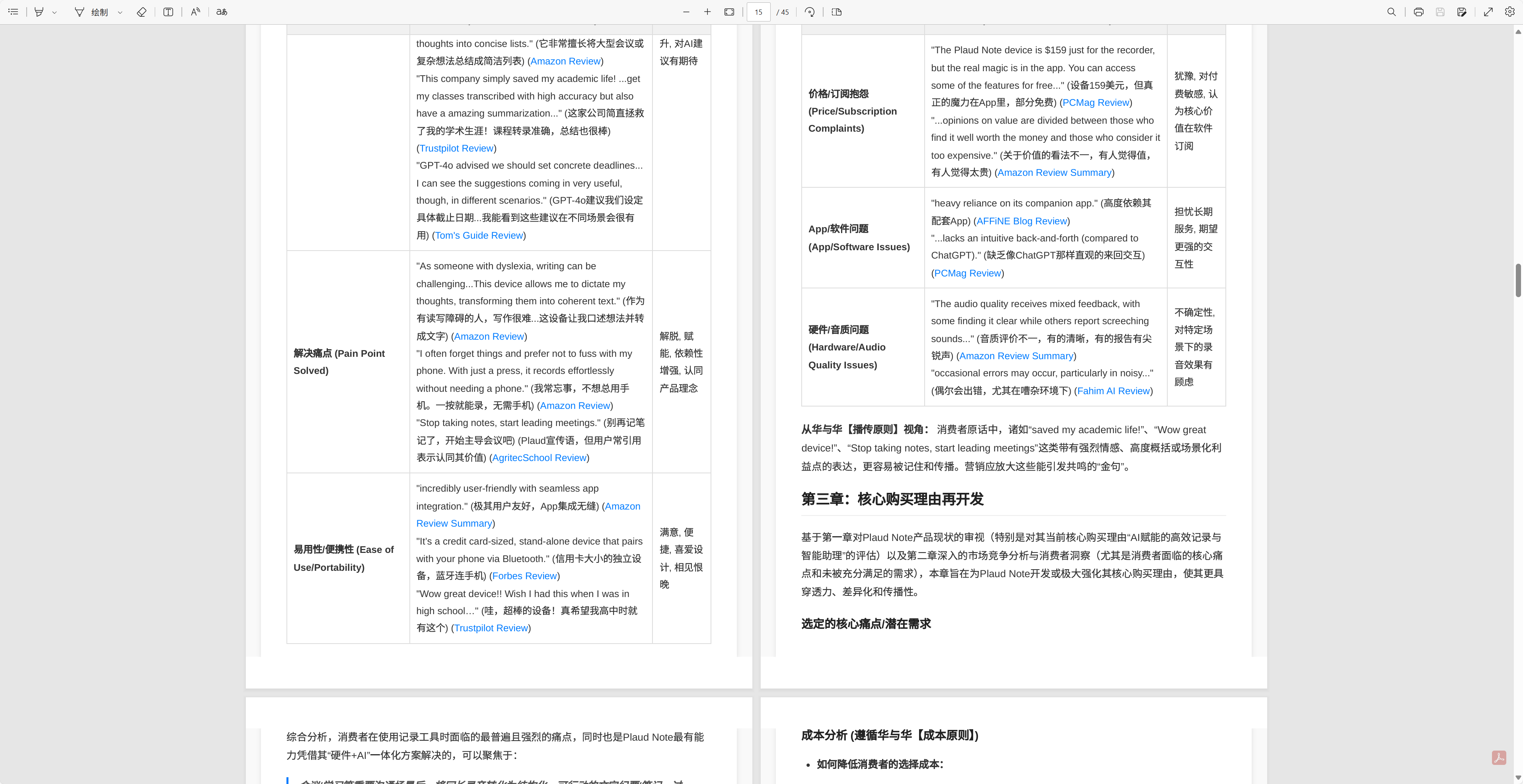
Marketing creative design and market promotion planning:
Packaging design:
Ad script and execution planning:
Effect evaluation plan design:
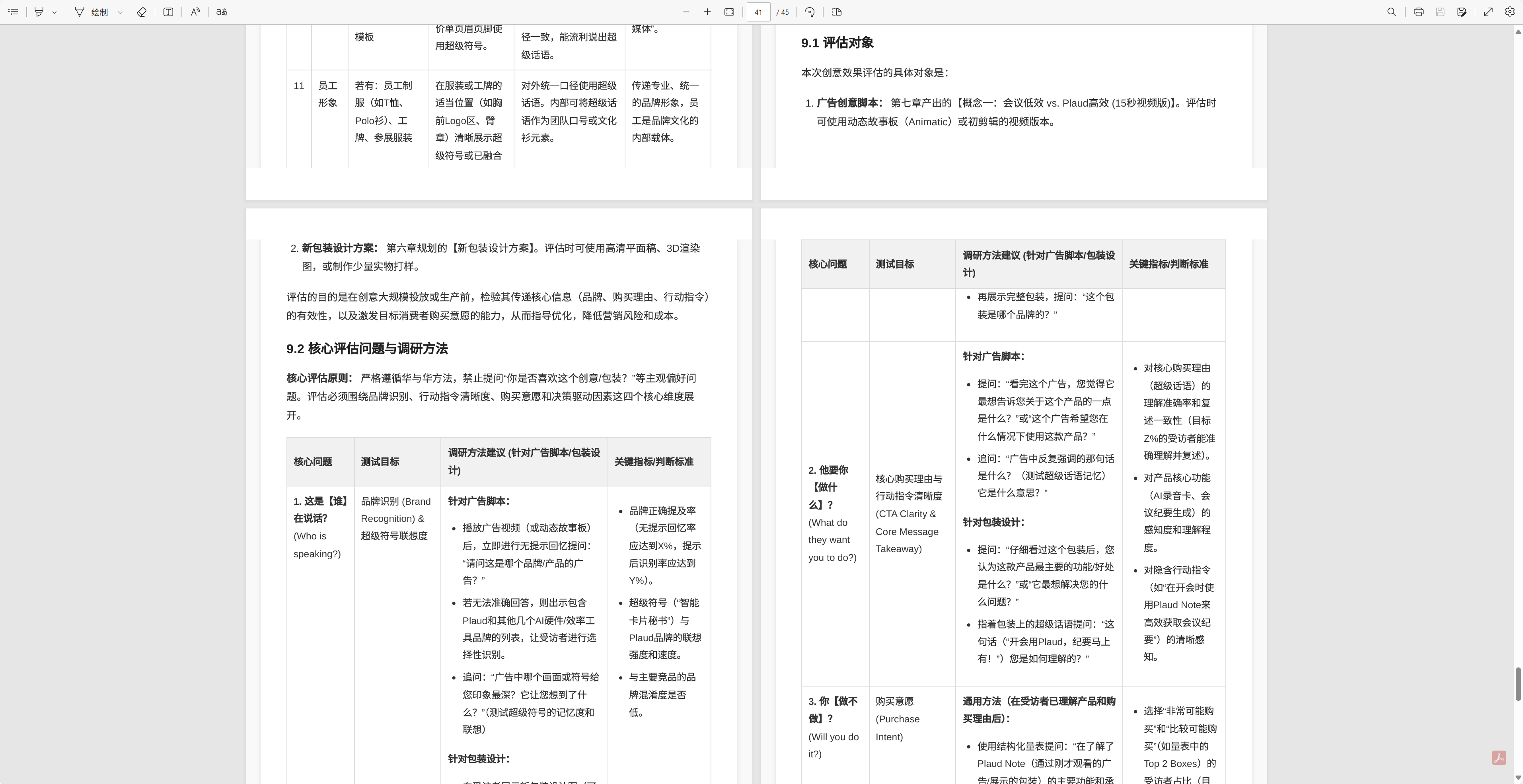
This was the direct output from a single task. When I first saw this output, I was truly shocked.
If you are interested in the full document, I have also placed it here, and you can view it directly through the following link:
https://fh5k77901t.feishu.cn/docx/NSREdVR8YoTMq3x4YRscfYVQnbg
In the document, I also included the generation results of Minimax Agent and Manus under the same Prompt as a comparison.
Of course, Tiangong also handles more common tasks without any pressure.
For example, if I am a new member of the marketing department and my boss assigns me to write a marketing promotion brief for influencers.
At this point, the materials I usually have are: our company’s product information + a brief reference template previously written by a senior colleague.
Without AI, how would I generally do it? Extract corresponding stuff from the product materials, apply it to the senior’s reference template, and go back and forth until my eyes blur, right? Many people have probably experienced this.
Now let’s switch to using the Tiangong Agent.
For such tasks, you don’t even need to deliberately write a Prompt. Just send over everything you have, like this:
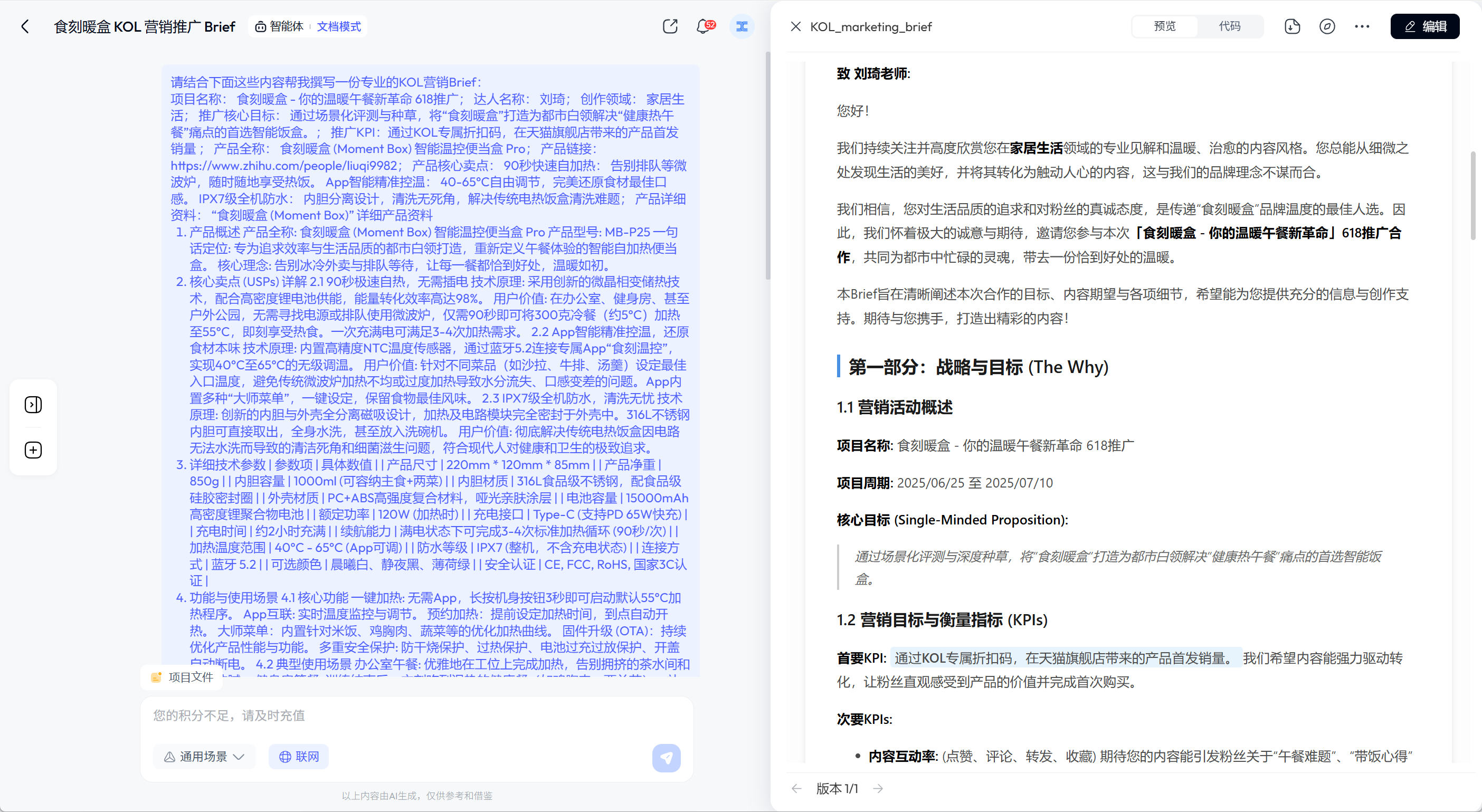
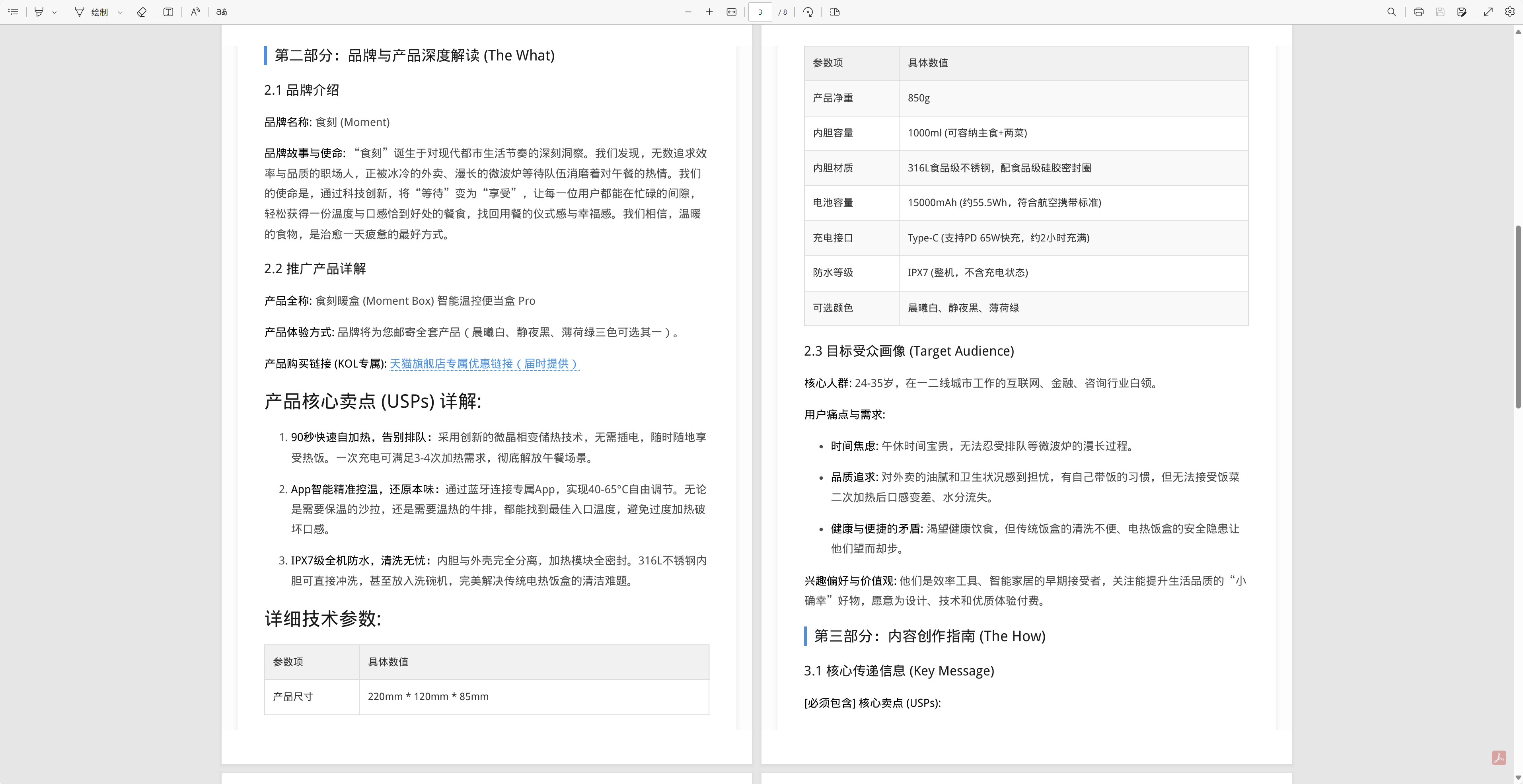
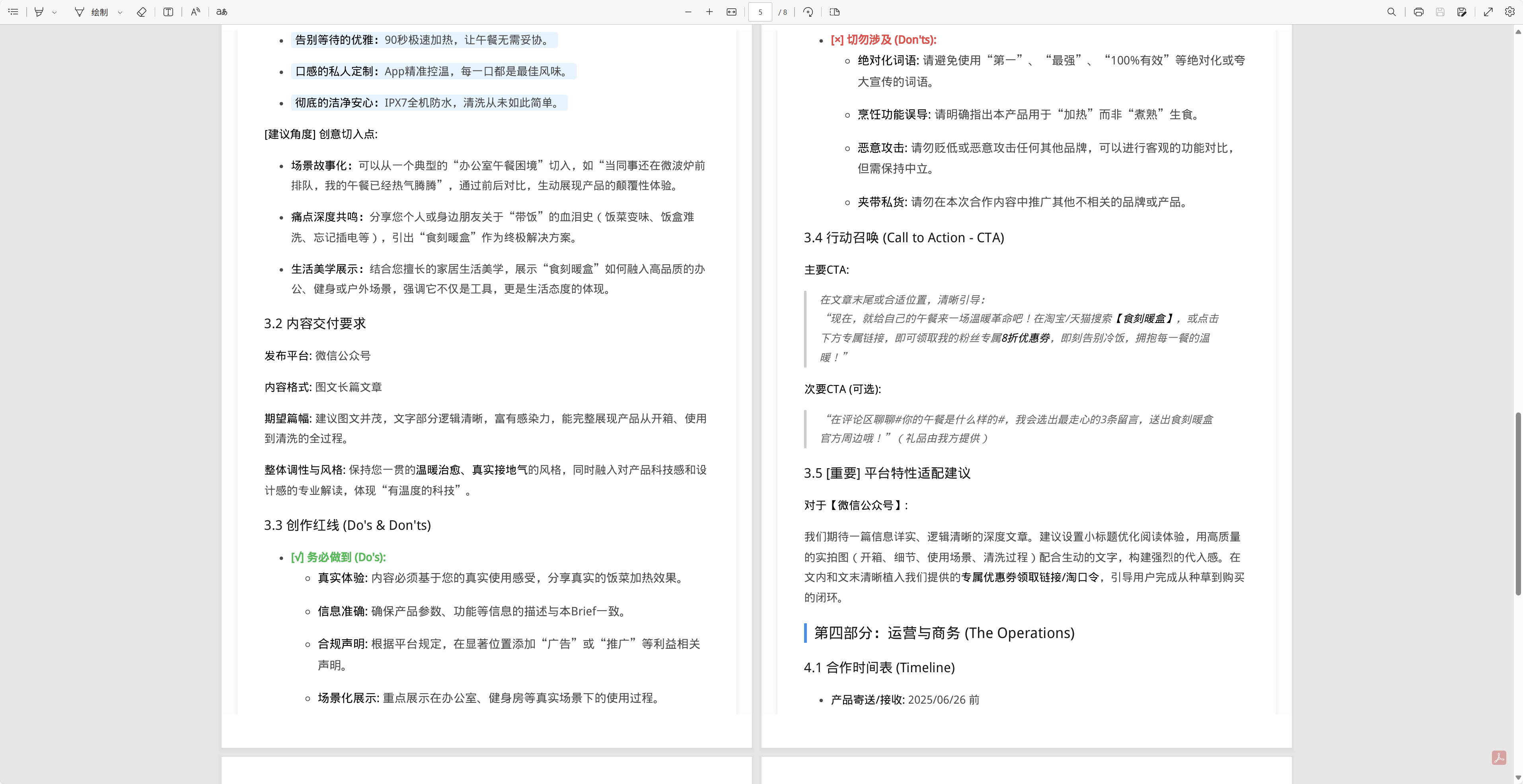
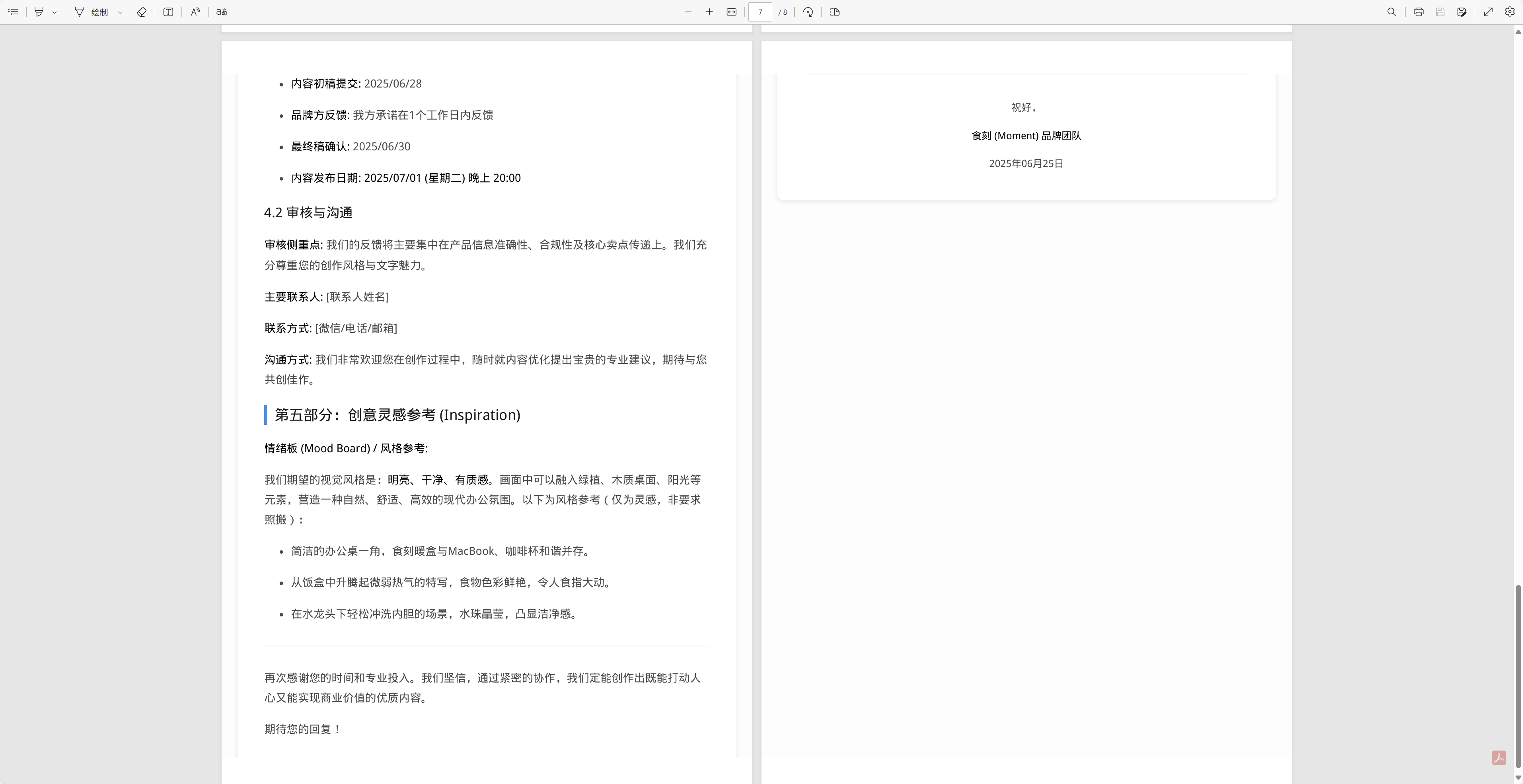
Then you get a brief that follows your internal template.
It includes product parameters and selling point introduction:
Creation norms and requirements:
Delivery, review times, and creative references:
You can go a step further. If you are targeting overseas influencers, you can directly request in the Prompt to generate an English version, then a Japanese version, and you get the desired results.
It’s that simple.
EXCEL
For example, I have a placement report with only a simple Sheet1 of raw data:
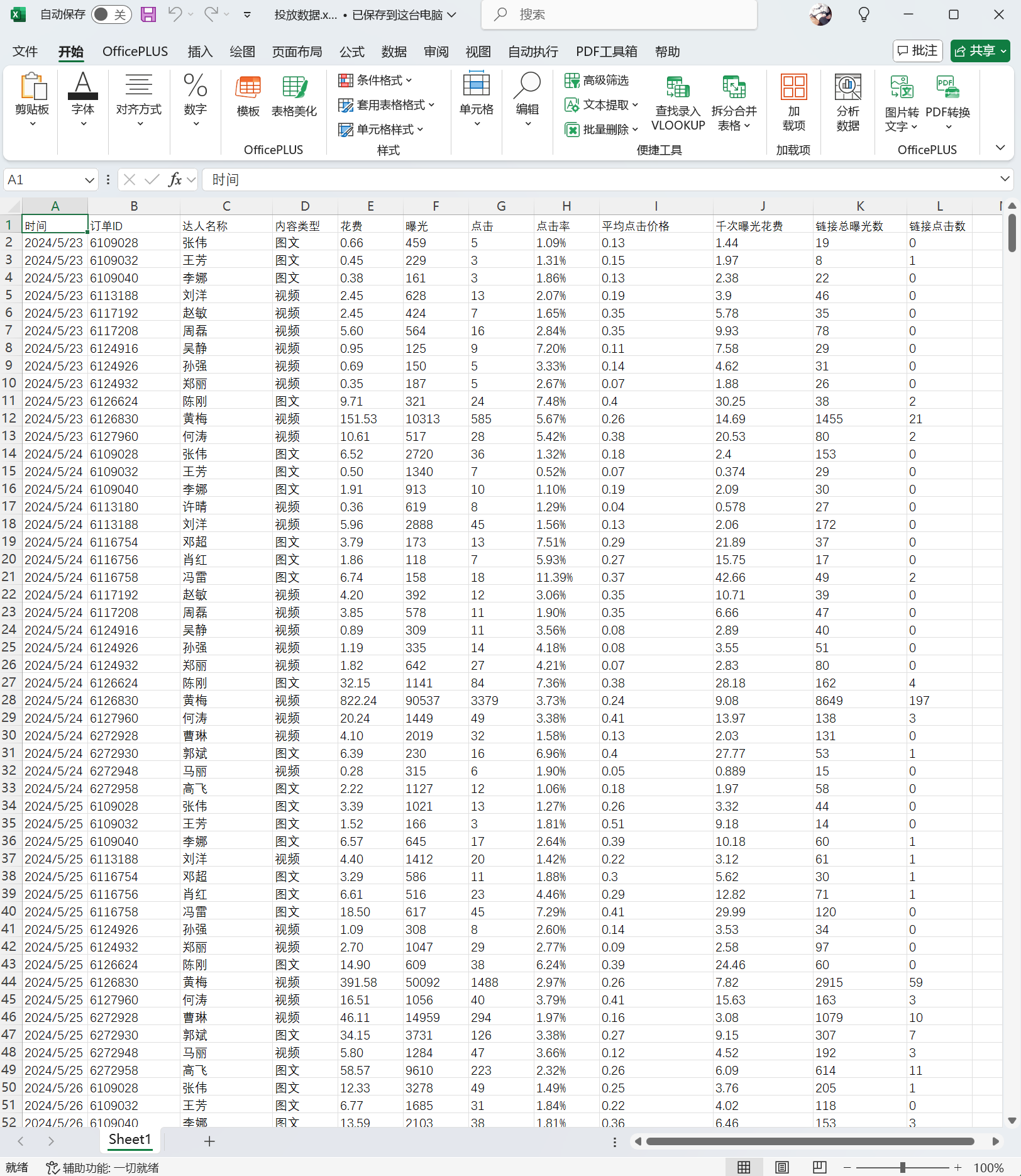
I now want to analyze this placement data for a campaign review.
Upload it to Tiangong, Prompt:
“` The attachment is off-site placement data over a period. Please analyze and make a review for this round of placement, then give me placement suggestions for the next round. “`
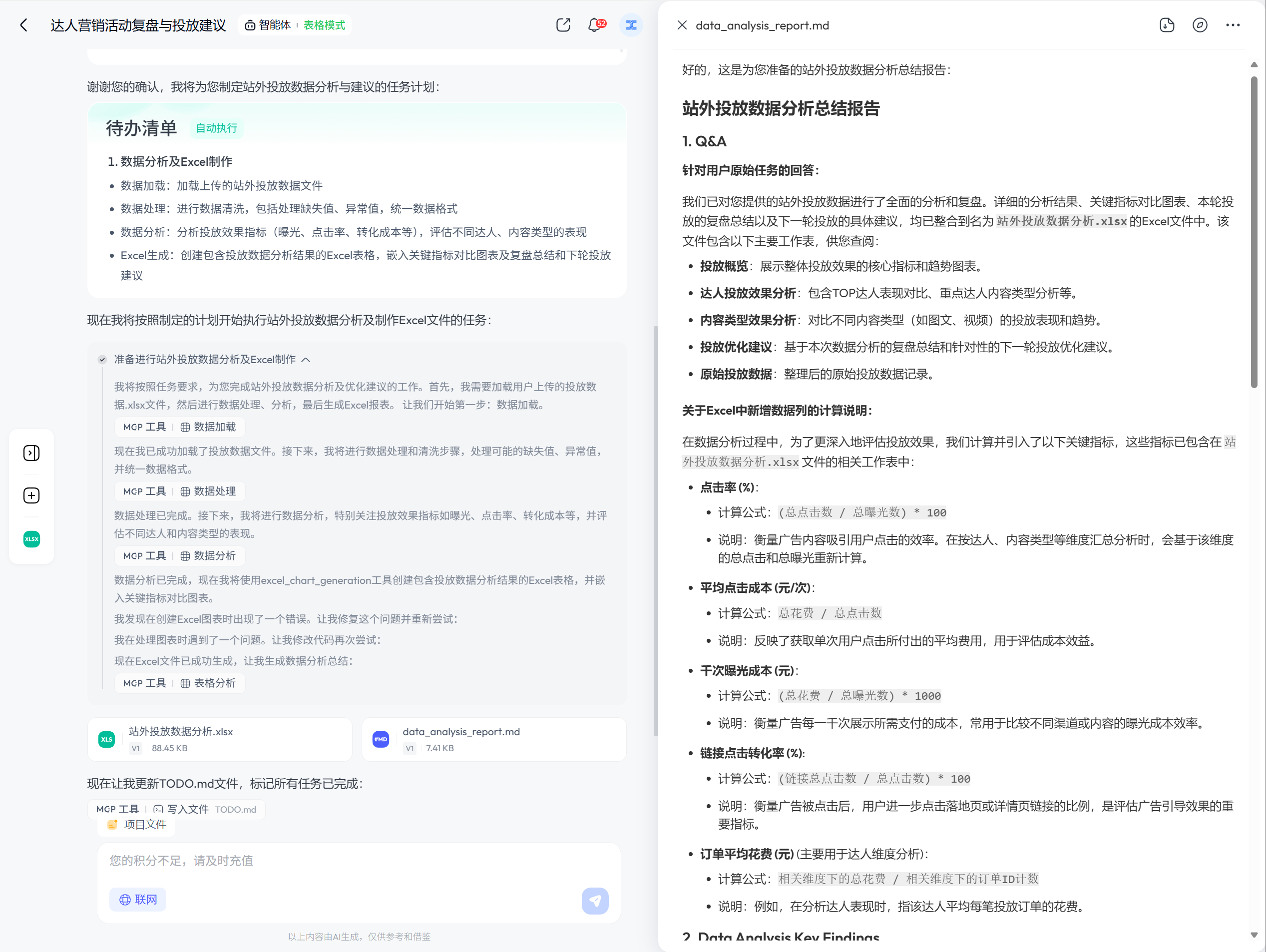
After Tiangong runs, it provides a report document + a data analysis spreadsheet.
The sheets in the spreadsheet directly increased to 5, as Tiangong itself performed data cleaning and analysis according to different dimensions:
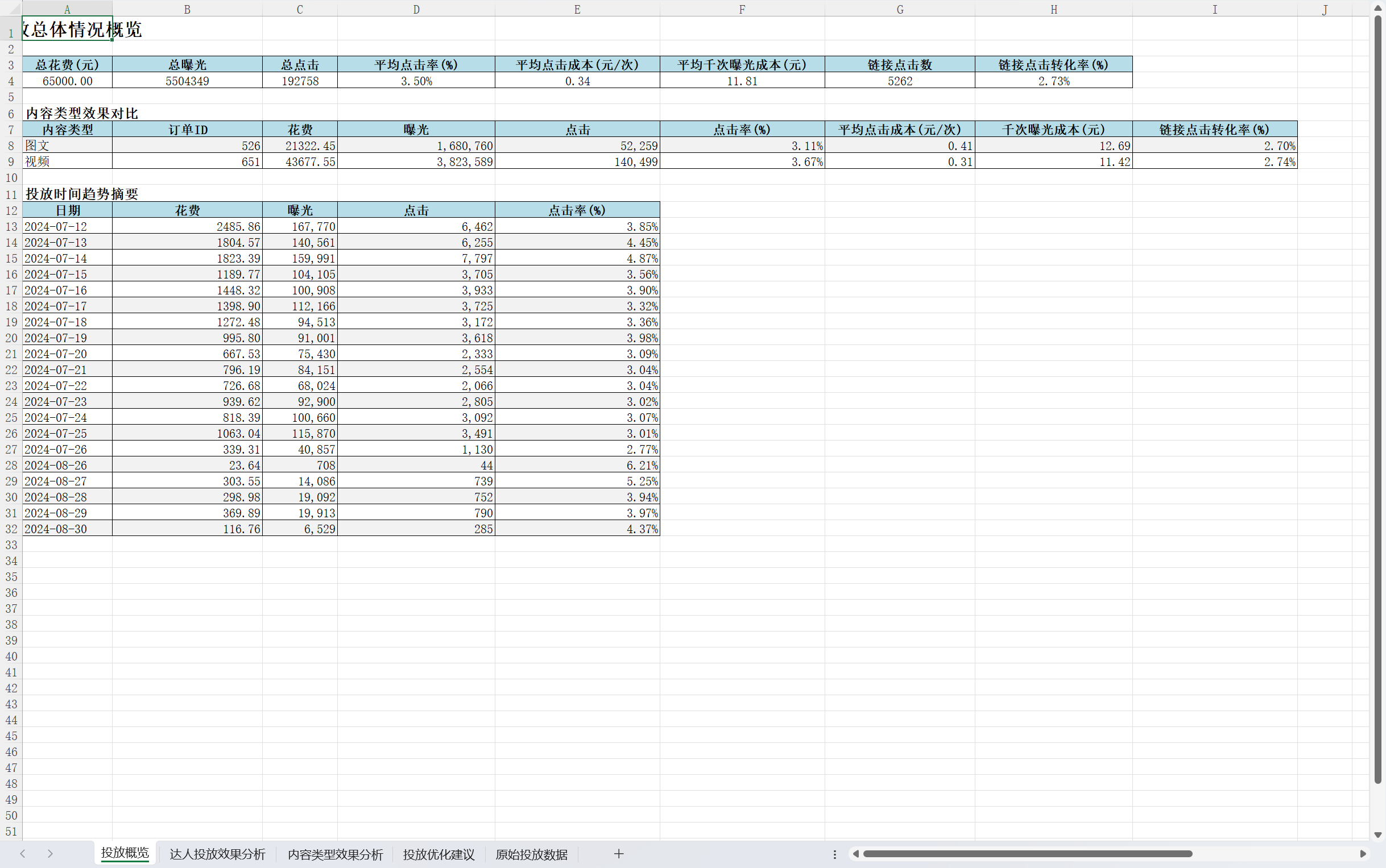
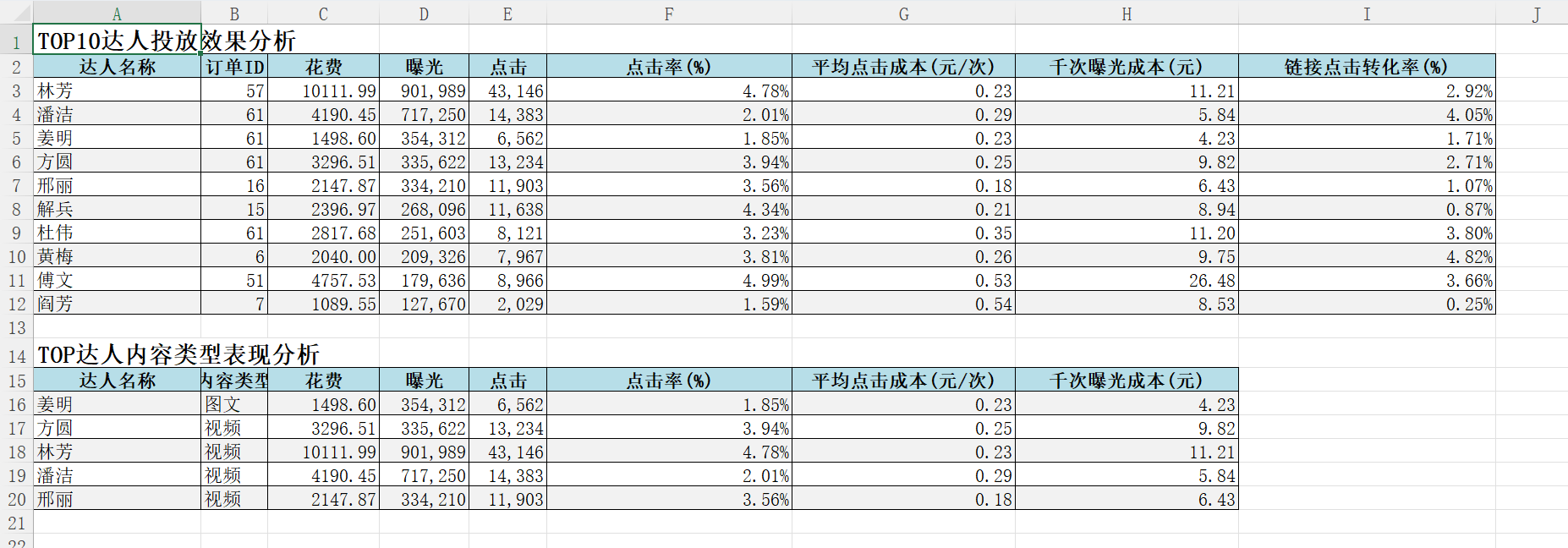
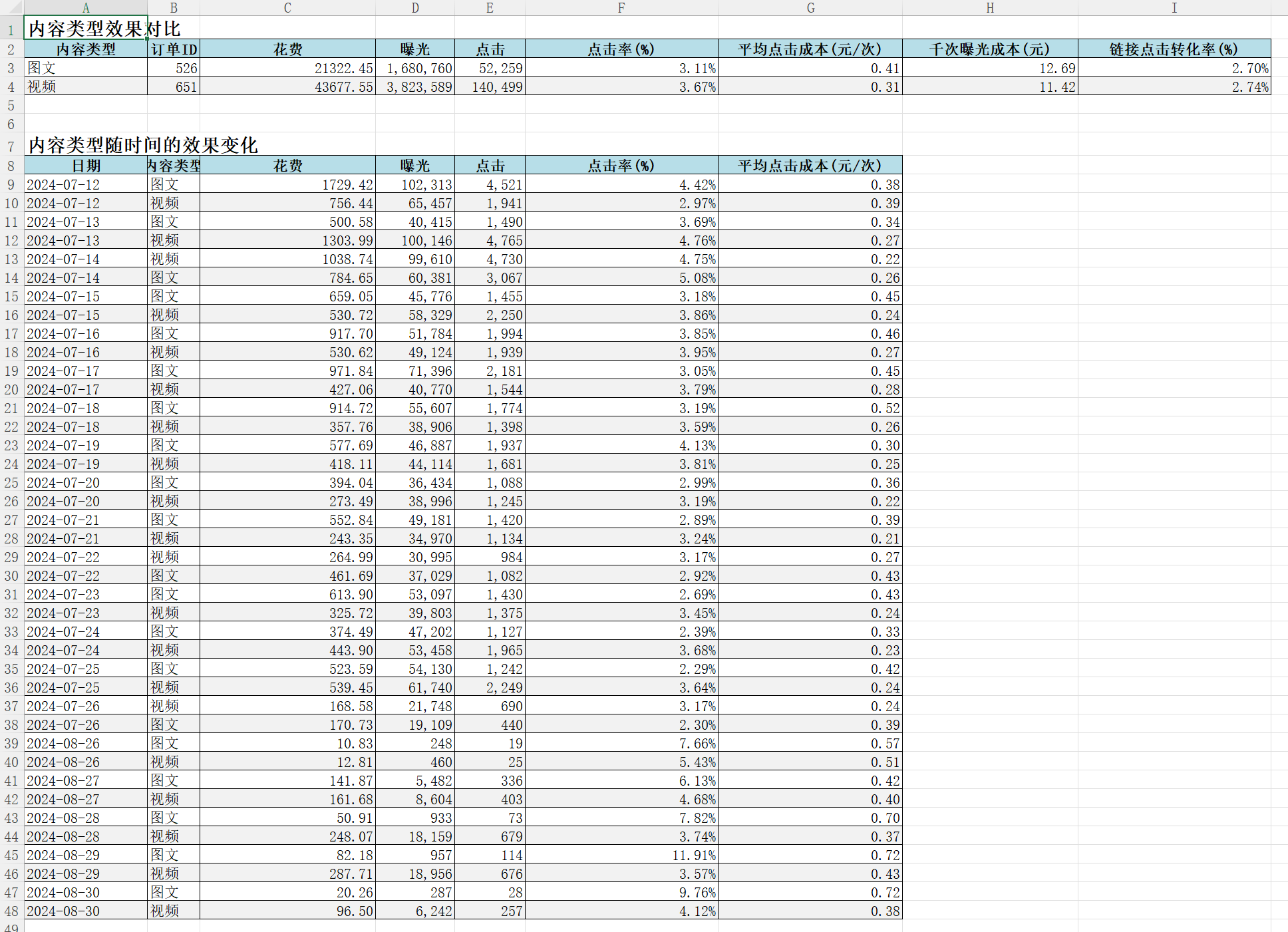
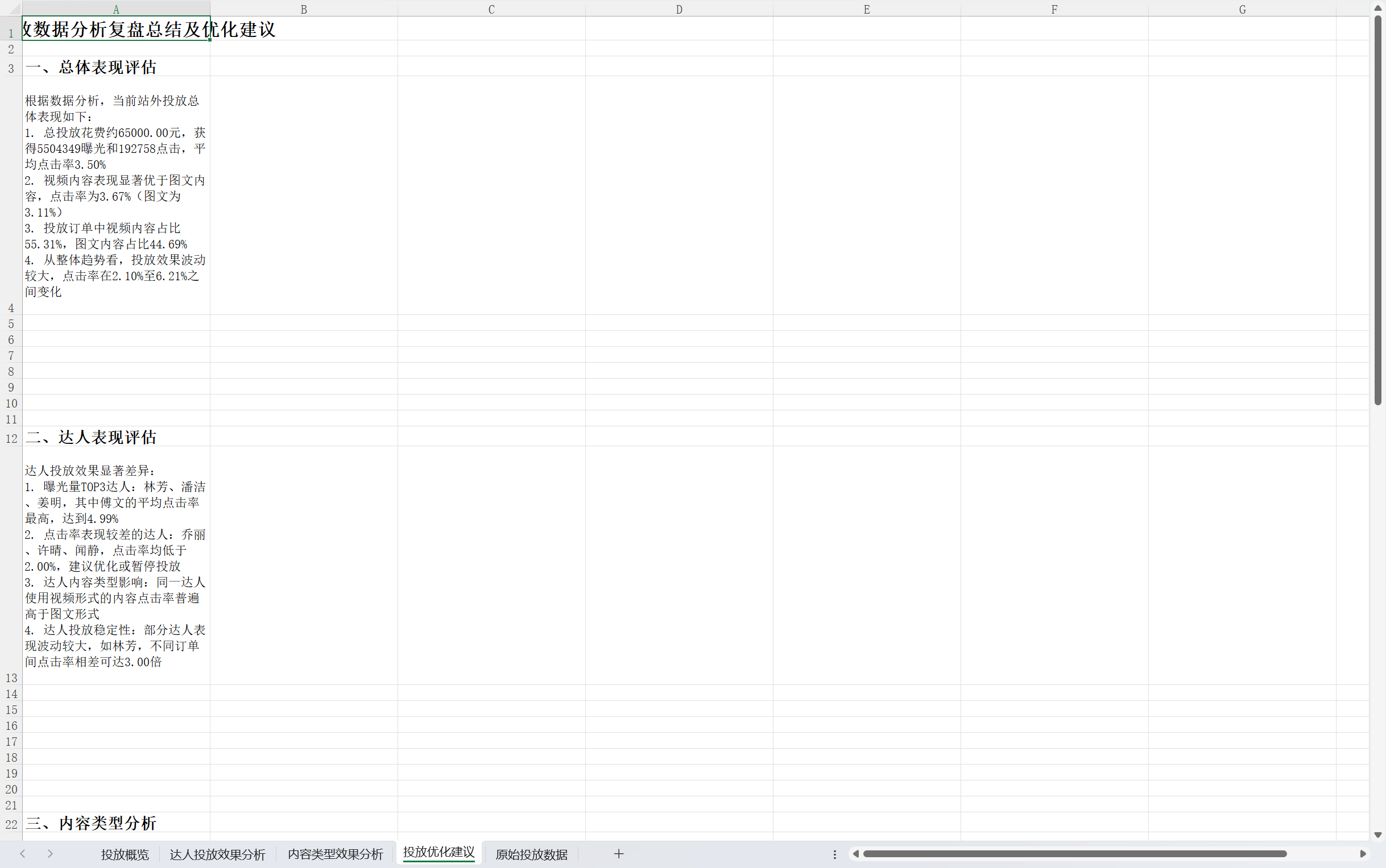
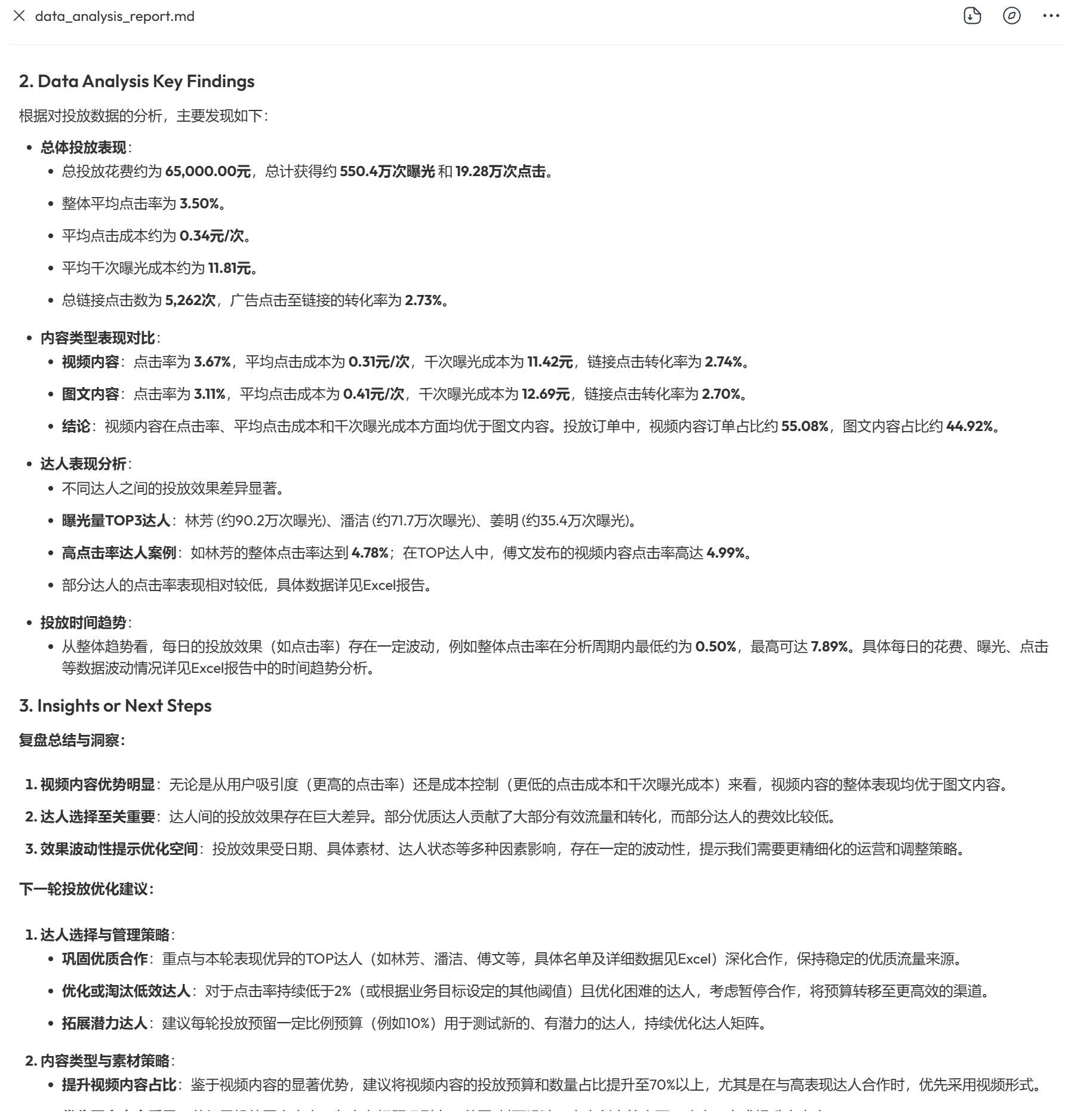
From the results presentation, the overall feeling is quite good.
It created multiple sheets on its own, logically performed data cleaning and analysis, and finally output the analysis results and suggestions in the form of a document.
Pretty good.
Especially some bosses seeing this, I guess they must be excited and ready to immediately call on employees to use AI.
However,
The advice I want to give is, for Excel spreadsheet results, except in special circumstances, do not use them directly.
Unlike PPT and documents, spreadsheets usually involve strict, standardized data calculation and statistics.
If you go back and look closely at the screenshots above, they don’t hold up under scrutiny.
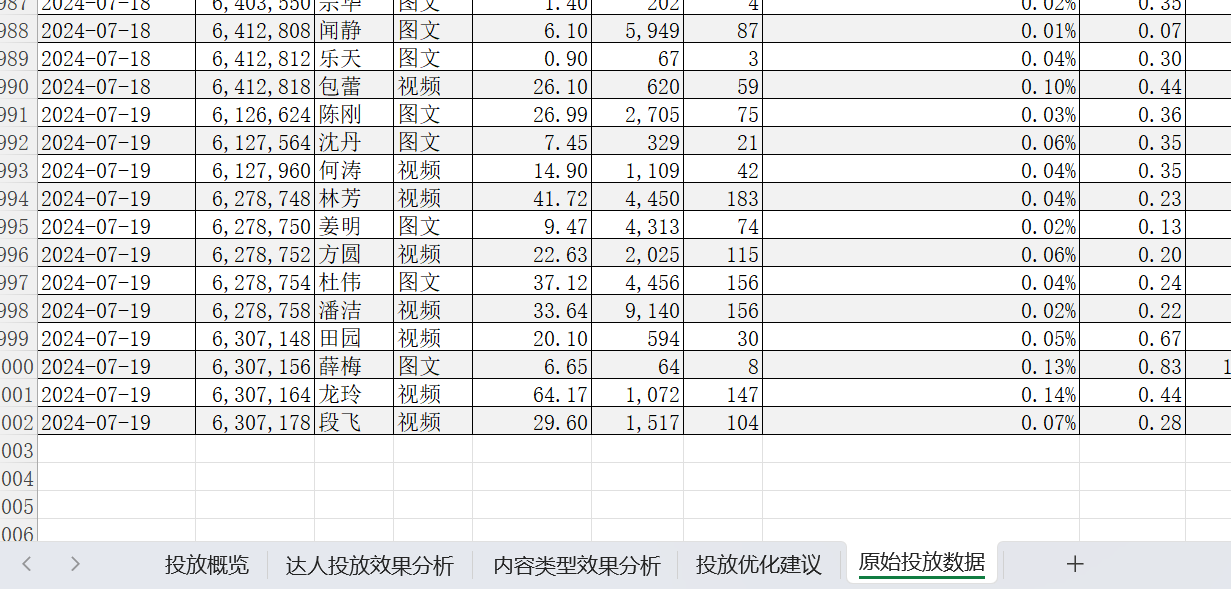
The raw data clearly starts in May, with an end time of the end of August.
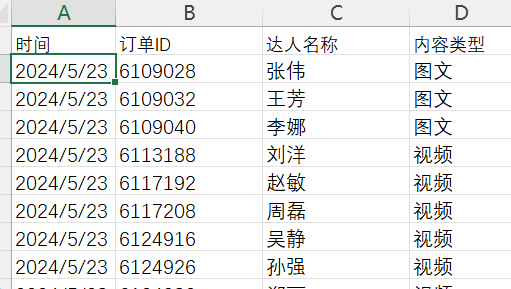
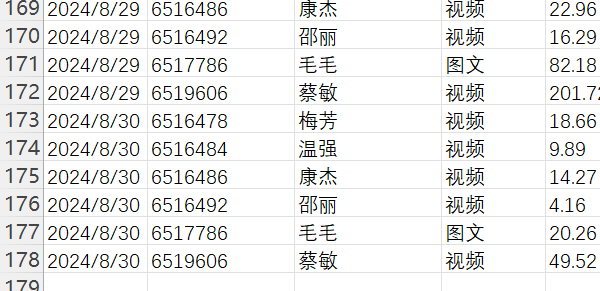
But in the final spreadsheet, the last data time in “Raw Placement Data” became July 19, and data for dates after that was simply discarded.
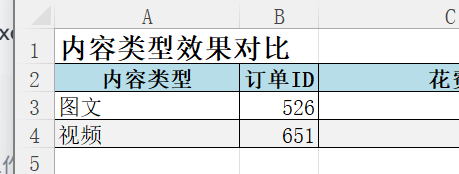
Looking at “Content Type Effect Analysis”, the Order ID is clearly 7 digits, why does it become 3 digits here?
Why would there be a mapping relationship between content type and Order ID?
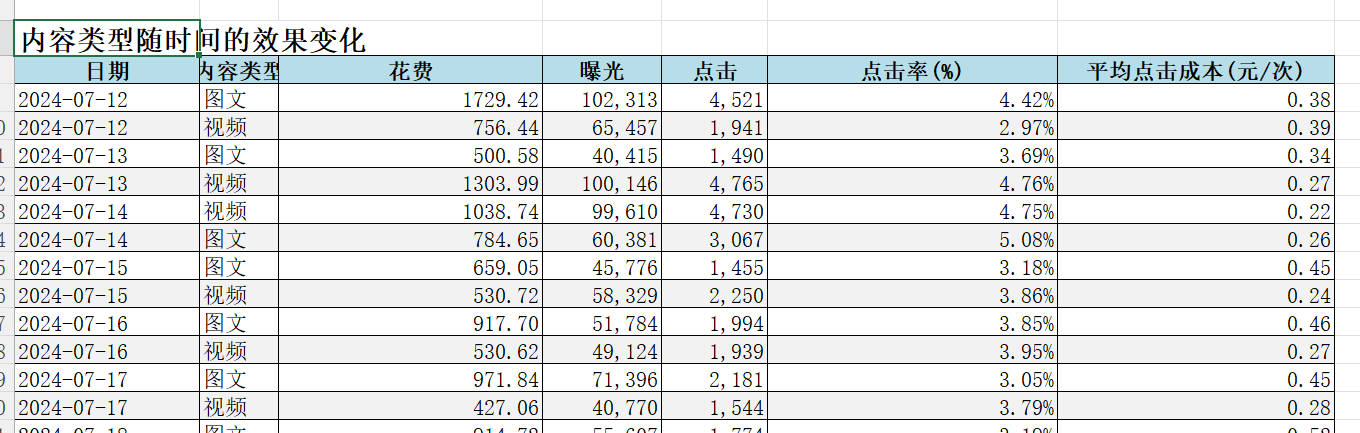
Why did the time starting from May become starting from July in the analysis?
These are all BUGs.
If you download the generated spreadsheet, you’ll find it doesn’t contain any formulas; all data is stored as values and text. This is scary because you have no way to troubleshoot where errors might occur.
I wouldn’t dare use such spreadsheet results, at least.
Moreover, ponder this: “Effect Change of Content Type Over Time”.
Is this analysis meaningful?
Will the placement effectiveness of the two content types, graphics/video, have a strong relationship with time?
For example, people like scrolling Douyin in April, but prefer Zhihu in August? Clearly not.
This analysis is meaningless.
Look again, in “Placement Overview”, a summary was made of the placement time.
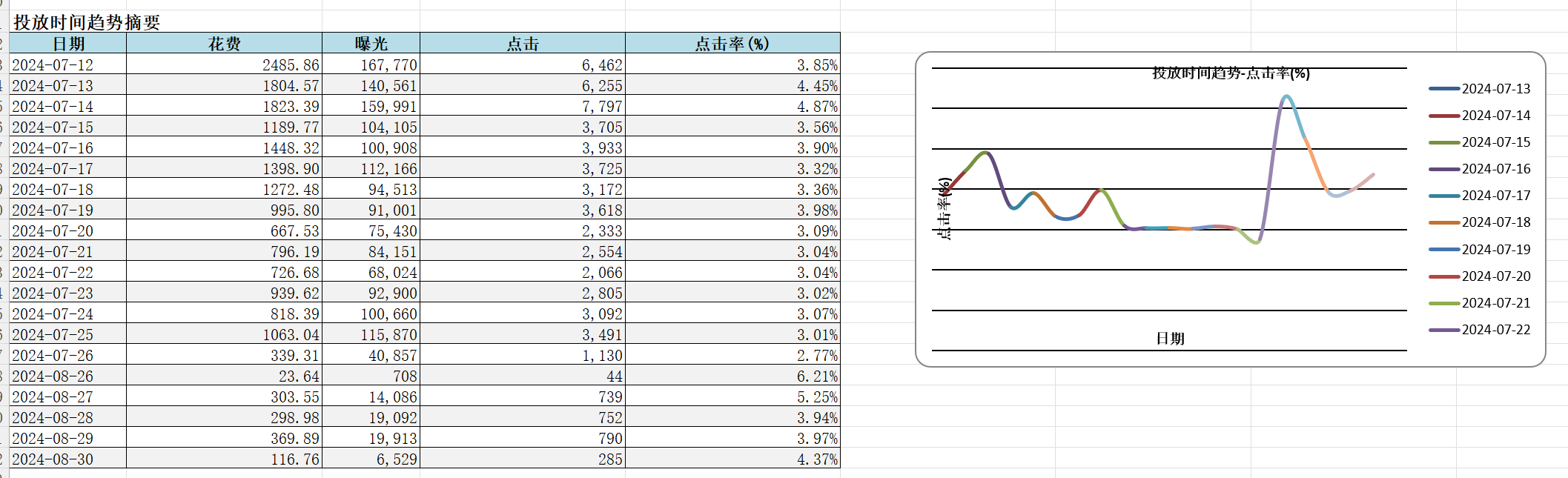
Why does placement time need a summary?
We placed from 5.23 to 8.30, what does summarizing 7.21 to 8.30 explain?
It explains nothing.
After receiving the cold, raw data, what angle to choose for analysis, how to conduct the analysis,
These all require the analyst’s insight and attribution capabilities.
I’m not sure if letting the LLM intervene in more steps and invest more tokens would improve this,
But based on Tiangong’s current Excel output,
I personally don’t recommend using it in work.
Despite the less-than-satisfactory performance on spreadsheets, overall, Tiangong Agent’s performance is still excellent in my book.
Because other Agents don’t seem to perform better in spreadsheet processing; and for documents and PPT, whether in following prompt instructions, the depth and breadth of independent information acquisition, or in product optimization details like PPT export, Tiangong is indeed commendable.
Recommended to try it.